Palace Hotel & SPA
Durrës - Rruga Pavaresia Plazh Apollonia, Lagja 13
Featuring an outdoor pool, on-site bar, restaurant and free Wi-Fi, Palace Hotel & SPA is next to the sea and has its own private beach area.
Book now
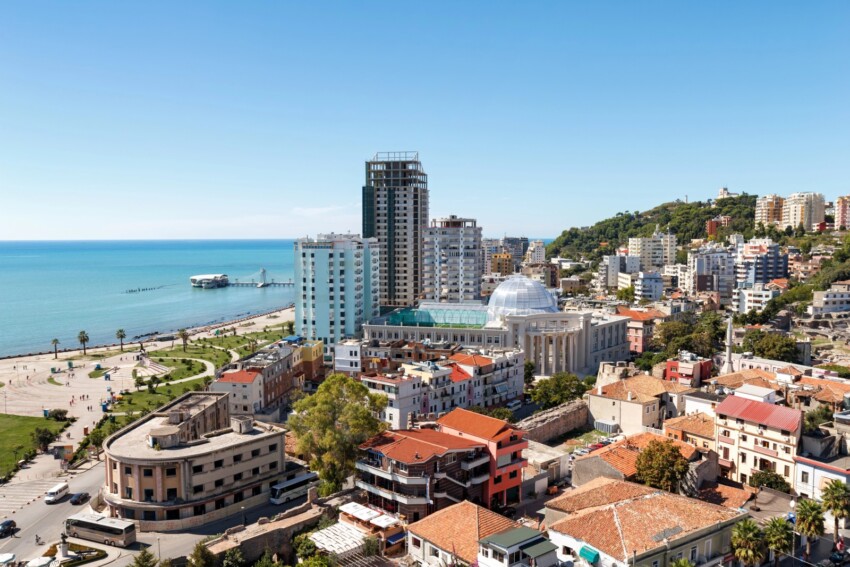
Durres (Durrës in Albanian) is Albania ‘s second largest city and one of the most important ports on the Adriatic Sea. Located only 34 km from the capital Tirana, this coastal city boasts a millennial history dating back to the 7th century BC, when it was founded as a Greek colony under the name Epidamnos (later Dyrrachium in Roman times). Its rich historical heritage is intertwined with a lively present, characterised by a major tourist development that has turned the waterfront into one of Albania’s most popular seaside resorts.
The city is famous for its long sandy beaches stretching more than 10 km to the south, its impressive Roman amphitheatre (the largest in the Balkans) and its port. Durrës is also an important hub for the country’s economy, with a mix of industrial, commercial and tourist activities that make it a dynamic and evolving city.
Due to its strategic location, Durres is often the entry point for many tourists visiting the country. The city offers an interesting balance of beaches equipped for relaxation, historical monuments of great cultural value and a lively nightlife that make it a suitable destination for different types of travellers.
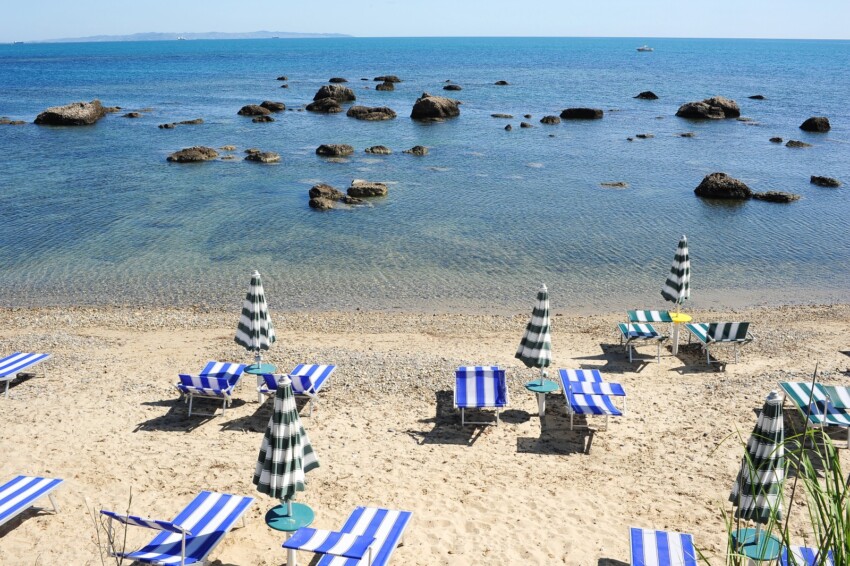
Durres Beach (Plazhi)1 is one of the largest and most popular in Albania, with over 10 km of golden sand stretching south of the city. Beloved by Albanians and increasingly frequented by international tourists, this long stretch of sand is characterised by shallow waters that make it particularly suitable for families with children.
The beach is well equipped, with numerous bathing establishments offering sunbeds and umbrellas at affordable prices. Seafood restaurants, beach bars and hotels line the shoreline, creating a lively and animated atmosphere, especially during July and August, when the coast fills with Albanian and foreign holidaymakers.
Although the sea in Durres cannot compete in transparency with the crystal-clear waters of Albania’s Ionian coast, it still offers a pleasant bathing experience. In recent years, the local authorities have made significant investments to improve water quality and tourist infrastructure, with visible results in terms of cleanliness and services.
The beach is easily accessible from the city centre via local buses or a pleasant walk along the seafront. The northernmost area, closer to the city centre, is generally more crowded, while moving south one can find quieter areas. The bathing season extends from May to September, with particularly pleasant water temperatures between June and August.
Although many consider Durres primarily as a beach destination or transit point, the city offers numerous historical, cultural and natural attractions worth exploring. Its long history, spanning Greek, Roman, Byzantine, Venetian and Ottoman periods, has left a rich and varied heritage that can surprise even the most discerning visitors.
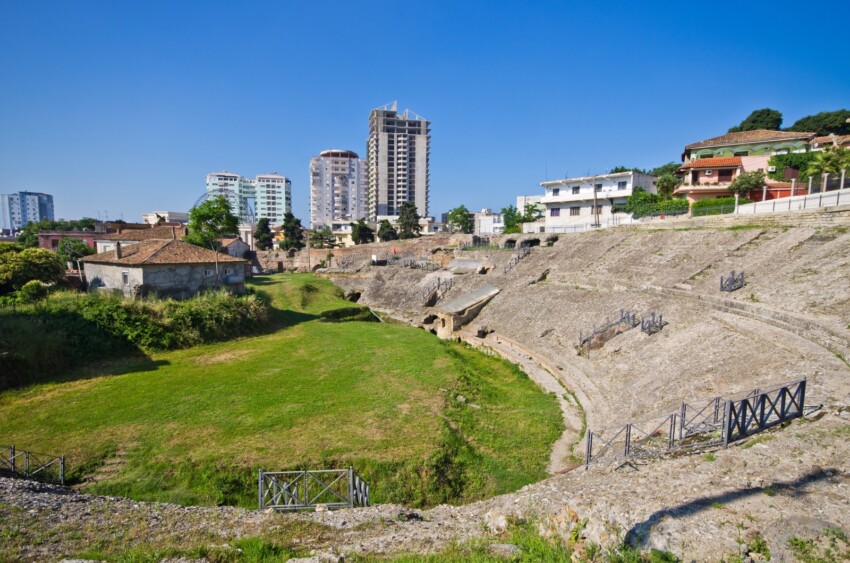
Durrës’ Roman Amphitheatre is undoubtedly the city’s most important monument and one of the most significant in Albania. Built in the 2nd century AD during the reign of Emperor Trajan, this imposing structure could seat up to 20,000 spectators, making it the largest amphitheatre in the Balkans.
What makes this archaeological site particularly fascinating is its location in the heart of the modern city: the amphitheatre is literally incorporated into the urban fabric of Durrës, with residential buildings surrounding it on all sides. It was only rediscovered in 1966, when part of the structure emerged during construction work, revealing an archaeological treasure that had remained hidden for centuries.
When visiting the amphitheatre, you can admire not only the original Roman structure, but also a Byzantine chapel dating back to the 6th century, decorated with mosaics of rare beauty. Archaeological excavations continue to this day, regularly bringing to light new finds that enrich our understanding of the history of this site.
To fully appreciate the visit, we recommend taking part in a guided tour (available in several languages) that will help you interpret the archaeological remains and understand the historical importance of the monument.
The Archaeological Museum is an essential step in understanding the rich history of Durrës and Albania. Inaugurated in 1951 and completely renovated in 2015, the museum houses a vast collection of artefacts covering a period of over 2,500 years, from the city’s Greek origins to the medieval period.
Among the most valuable pieces in the collection are Hellenistic and Roman sculptures, a rich collection of ancient ceramics, Byzantine mosaics and numerous artefacts from the city’s archaeological excavations. Particularly noteworthy is the statue of Artemis of Durres, a marble sculpture of extraordinary beauty representing the goddess of the hunt according to the canons of Hellenistic art.
The museum is structured in chronological order, allowing visitors to follow the evolution of the city through the centuries. Captions are available in Albanian and English, and the modern layout makes the visit accessible even to those with no specialist knowledge of archaeology.
We recommend that you dedicate at least an hour to the visit to fully appreciate the richness of the collections on display.
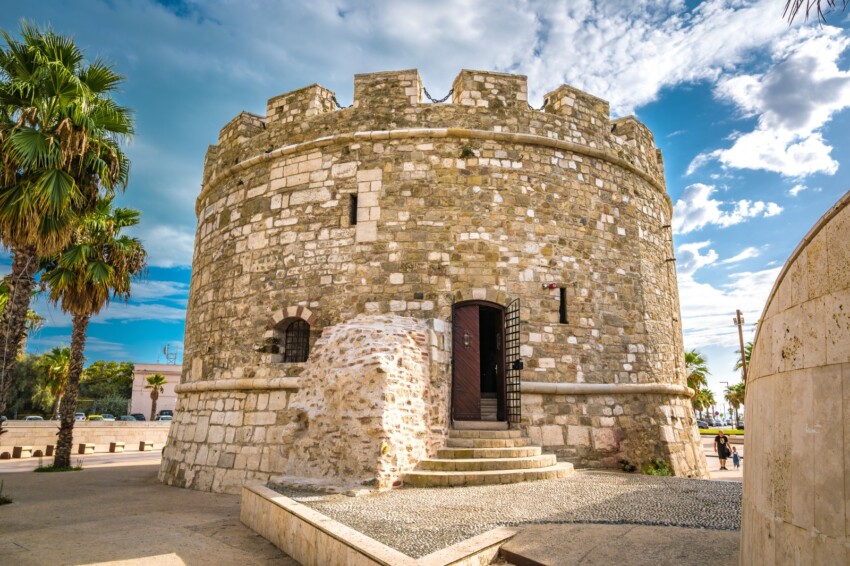
The Byzantine Walls of Durrës, built during the reign of Emperor Anastasius I (491-518 A.D.), represent one of the best preserved defence systems in Albania and an important testimony to the strategic importance of the city over the centuries. Originally, the walls stretched some 3.5 km, forming an oval perimeter around the ancient city, with some 30 watchtowers and several gates.
Today, although much of the original wall has been lost due to urban expansion, several significant sections are still visible and well preserved. The most imposing segment is located in the western part of the old town, where you can also admire the Venetian Tower, a circular bastion added in the 15th century during the rule of the Venetian Republic.
The tower, approximately 9 metres high and with walls 3 metres thick, offers a panoramic view of the city and the Adriatic Sea. Inside the tower is a small museum that tells the story of Durrës’ fortifications through the centuries, with models, historical maps and archaeological finds.
The visit to the walls and the Venetian tower is free and accessible at any time. We recommend that you include it in a broader walk through the old town of Durrës, preferably during the cooler hours of the day, as the paths are mostly outdoors and offer little shade.
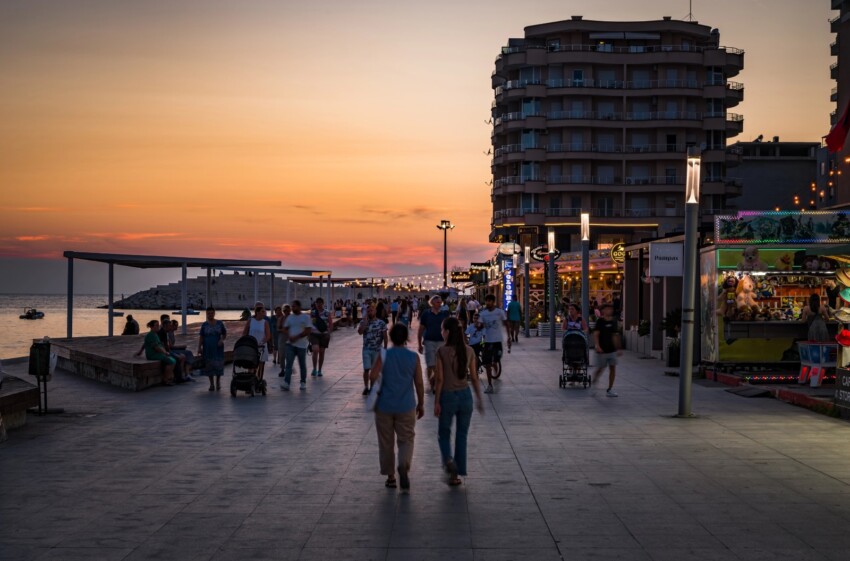
Rruga Taulantia, better known as the Durres Promenade, is the beating heart of the city’s social life and one of the liveliest and most pleasant areas to explore. This wide pedestrian boulevard stretches for several kilometres along the coast, offering a pleasant stroll with views of the Adriatic Sea.
The promenade has been completely renovated in recent years, with stone paving, flower beds, benches and modern lighting that make it particularly attractive at sunset and in the evening hours. Along the promenade are bars, restaurants and ice-cream parlours with outdoor terraces where you can stop for a coffee, a meal or simply to enjoy the lively atmosphere that characterises this area.
During the summer, the promenade hosts numerous outdoor events, including concerts, traditional dance performances and craft markets. It is also a favourite spot for xhiro, the traditional evening stroll that Albanians like to take with family or friends, especially during weekends and summer evenings.
At the northern end of the promenade is the Port of Durres, while towards the south the boulevard connects with the bathing area, characterised by a long beach of fine sand and numerous bathing establishments. We recommend visiting the promenade both during the day, to enjoy the view of the sea, and in the evening, when the atmosphere becomes particularly lively and temperatures are more pleasant during the summer months.
The Royal Villa (Villa e Mbretit), located in a verdant area north of the city centre, is an interesting example of Albanian modernist architecture with Italian influences. Built in the 1930s as a summer residence for King Zog I, the first and only monarch of modern Albania, the villa has recently been restored and opened to the public.
The building is distinguished by its elegant style, with large terraces overlooking the sea and interiors decorated according to the taste of the time. Today, the villa houses a small museum that tells the story of the Albanian monarchy and the royal family, with period photographs, historical documents and some original furnishings. The surrounding garden, with Mediterranean plants and panoramic views of the Adriatic, offers a pleasant space to relax away from the hustle and bustle of the city centre.
Adjacent to the Royal Villa is the Durres Marine Park, an equipped green area stretching along the northern coastline. The recently redeveloped park includes walking paths, picnic areas, a small artificial lake and several contemporary art installations. It is an ideal place for a relaxing stroll or a break while exploring the city.
The area is easily accessible from the centre with a walk of about 20 minutes along the coast or a short taxi or local bus ride.
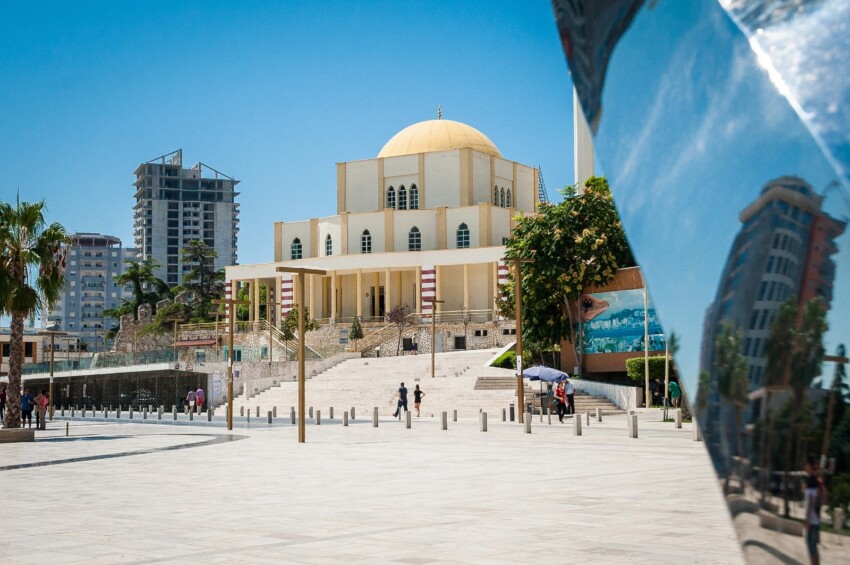
The Fatih Mosque (Xhamia and Fatihut), also known as the Grand Mosque of Durrës, is the city’s main Islamic place of worship and an important cultural and religious landmark. Built in 1931 to a design by Italian architect Vittorio Morpurgo during the reign of Zog I, the mosque replaced an older structure dating back to the Ottoman period.
The building is distinguished by its architectural style that combines traditional Islamic elements with modern, Mediterranean influences. The main façade, in white stone, is dominated by an elegant arcade with arches and a tall minaret rising more than 30 metres. The interior of the mosque is characterised by a large prayer hall lit by large windows, with sober but refined decoration and a finely worked mihrab pointing in the direction of Mecca.
The mosque is active and regularly attended by the local Muslim community, so visitors are asked to respect the place of worship and religious practices. It is possible to visit the interior outside prayer times, wearing appropriate clothing (shoulders and legs covered) and, for women, a headscarf to cover the head (often available at the entrance).
The religious building is located in the city centre, a short walk from the promenade and other main attractions, and is easily recognisable thanks to its minaret. Visits are free, but a small donation for the upkeep of the structure is always appreciated.
In the following map you can see the location of the main places of interest mentioned in this article.
Durres offers a wide range of accommodation solutions to suit different needs and budgets. Thanks to its tourism development, the city boasts numerous hotels, flats and guest houses, with a particular concentration in the coastal area.
The central waterfront area (Rruga Taulantia) is the most popular area to stay, offering the convenience of being within walking distance of major tourist attractions, restaurants, bars and shops. The beach area (Plazh), which extends south of the centre, is particularly suitable for those seeking a beach holiday. This area is characterised by the presence of numerous beachfront hotels, resorts with swimming pools and tourist flats.
For travellers on a tighter budget, the residential areas east of the city centre offer small family hotels, guest houses and flats at more affordable prices. These accommodations, although less luxurious, still offer good value for money and the opportunity for a more authentic experience in contact with the local population.
During the high season (July-August), it is strongly recommended to book well in advance, as Durres is a very popular destination for both Albanian and international tourists. In the shoulder months (May-June and September) you can find cheaper prices while enjoying a favourable climate and less crowded beaches.
We offer a selection of hotels at Durres to suit all categories of travellers. The most booked by tourists are the sea-facing hotels, often right on the beach. If you want to play it safe, choose one of the following: they are among the most booked hotels in Durres, sorted by number of reviews.
If you prefer space, privacy and the ability to prepare your own meals to a hotel holiday, book a holiday home at Durres. We recommend a few below, but in this case we advise you to book early because houses and apartments for rent at Durres are in high demand.
Durres enjoys a strategic location that makes it one of Albania’s main transport hubs, easily accessible from major Albanian cities and neighbouring countries. The city is located just 34 km west of Tirana, the capital of Albania, and is connected to it by a modern and well-maintained highway.
The closest airport to Durres is Tirana ‘Mother Teresa’ International Airport (TIA), located about 25 km from the city. The airport is served by several airlines offering direct flights from several European cities, including Rome, Milan, Athens, Vienna and many others.
For those arriving from other Albanian cities or neighbouring countries, Durres is well connected by:
The surroundings of Durres offer numerous opportunities for day trips, allowing you to discover some of Albania’s most interesting attractions. Renting a car is certainly the most convenient option for exploring the region independently, but many destinations can also be reached by public transport or by participating in organised tours that depart regularly from Durres during the tourist season.
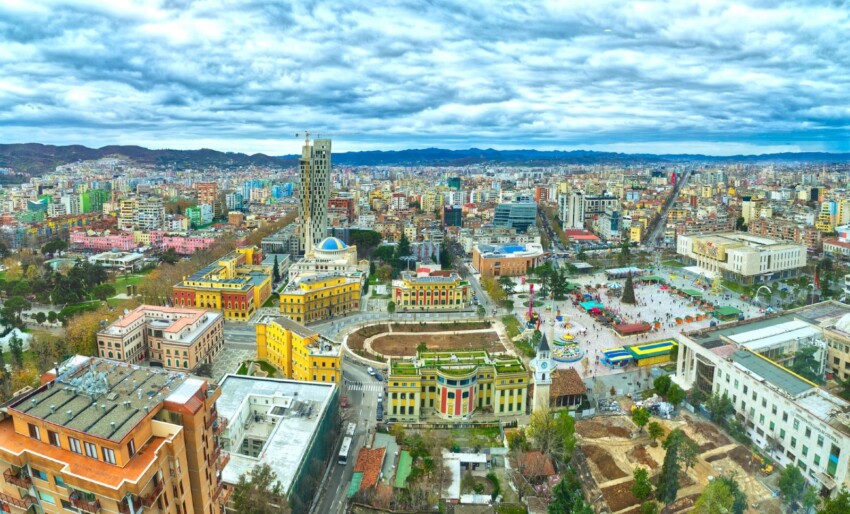
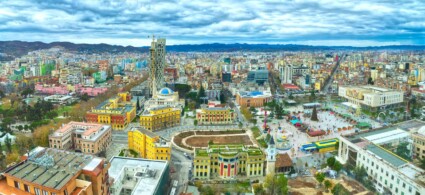
The Albanian capital is a must-see for anyone staying in Durres. Located only 34 km away (about 40 minutes by car), Tirana is a vibrant and ever-changing city, where the legacy of the communist past blends with a contemporary and dynamic urban development.
The centre of Tirana is dominated by the recently renovated Skanderbeg Square, surrounded by important buildings such as the National Historical Museum, recognisable by the large mosaic on its façade, and the 18th-century Et’hem Bey Mosque. Don’t miss a stroll along the Boulevard of the Martyrs of the Nation, the city’s main artery, and a visit to the picturesque Blloku quarter, once reserved for the communist elite and now the centre of the city’s nightlife.
Located about 45 km from Durres (1 hour’s drive), Kruja is a picturesque historical town perched on the slopes of the mountain of the same name. It represents one of the most significant places in Albanian history, having been the centre of resistance against the Ottoman Empire led by national hero George Castriota Scanderbeg in the 15th century.
The heart of Kruja is its medieval castle, a partially ruined but still imposing fortress, from which there are spectacular views over the plains below to the Adriatic Sea. Inside the castle complex is the Skanderbeg National Museum, dedicated to the life and deeds of the Albanian hero, housed in a building reproducing a typical Ottoman noble residence.
Kruja can be reached from Durres by direct bus (duration 1 hour 15 minutes) or by participating in organised tours that often combine visits to Kruja with Tirana.
About 50 km south of Durres lies the Divjaka-Karavasta National Park, one of Albania’s most important nature areas. The park includes the Karavasta Lagoon, the largest lagoon in the country and one of the most significant in the Mediterranean, an ideal habitat for numerous migratory and resident bird species.
The main attraction of the park is the colony of Dalmatian pelicans (Pelecanus crispus), a rare and protected species that nests here – it is one of the most important colonies in Europe. In addition to pelicans, you can observe herons, flamingos, wild ducks and many other aquatic species. Nearby are some still relatively untouched beaches, less crowded than those in Durres, where you can combine a nature excursion with a relaxing time at the beach.
The park can be reached by car from Durres in about an hour, following the national road south towards Vlora. There are no direct public transport connections, so it is advisable to rent a car or join an organised tour.
About 70 km south of Durres is Apollonia, one of Albania’s most important archaeological sites. Founded in 588 B.C. by Greek colonists from Corinth and Corcyra, this ancient city became an important cultural and commercial centre, flourishing particularly during the Roman period when it was home to a renowned school of philosophy, also attended by the future Emperor Augustus.
The archaeological park stretches out on a hill overlooking the valley of the Vjosa River, offering an impressive view of the surrounding countryside. Among the best preserved monuments are the portico of the bouleuterion (council building), the odeon theatre, the temple of Artemis and the remains of several private dwellings with mosaic floors.
Apollonia can be reached from Durres by following the national road to Vlora and turning towards Fier. It is advisable to combine this excursion with a visit to the city of Berat , creating a full-day itinerary through some of the most fascinating locations in central and southern Albania.
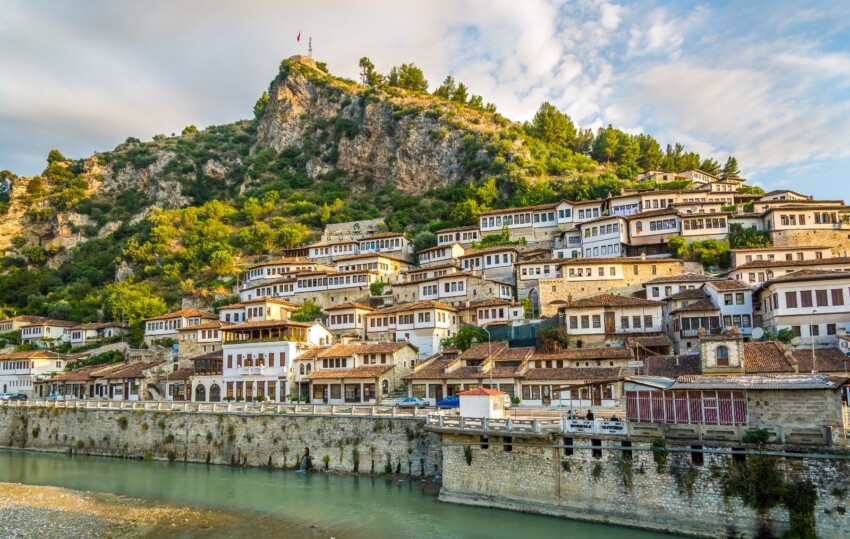
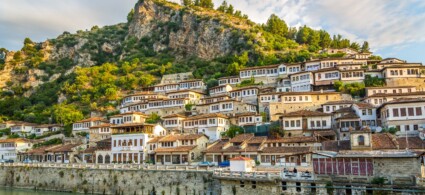
About 85 km from Durres (about 1 hour and 30 minutes by car) is Berat, known as ‘the city of a thousand windows’ and a UNESCO World Heritage Site. This picturesque town is famous for its extraordinary Ottoman architecture, with white houses climbing the hillsides, creating an urban landscape of rare beauty.
The historical centre of Berat is divided into three main districts: Mangalem (the Muslim town), Gorica (the Christian town) and Kalaja (the castle). The latter, located on top of the hill, is a vast fortified complex still inhabited, a very rare case of a medieval citadel inhabited continuously from the 4th century B.C. to the present day.
Inside the citadel are several Byzantine churches with precious frescoes and icons, including the Onufri Museum, housed in the Cathedral of the Assumption and dedicated to the famous 16th century icon painter. From the top of the castle, there is a spectacular view of the city and the Osum river valley.
Berat is also famous for its food and wine tradition: the surrounding region produces some of Albania’s best wines, and in local restaurants you can sample specialities such as ‘tavë kosi’ (baked lamb with yoghurt) and traditional sweets like ‘ballokume’.
The town can be reached from Durres by direct bus (cost about 500 lek, €4, duration 2 hours) or by car following the national road through Lushnjë.
What's the weather at Durres? Below are the temperatures and the weather forecast at Durres for the next few days.
Durres is located on the west coast ofAlbania, directly facing the Adriatic Sea. The city lies 34 km west of the capital Tirana and is positioned on a small peninsula that juts out into the sea, forming a natural harbour that has been exploited since ancient times.
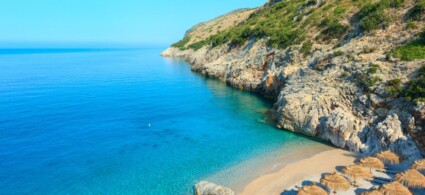
South of Durres, the Albanian coastline extends towards Vlora (110 km) and Saranda (220 km), forming what is known as the 'Albanian Riviera', a succession of beaches and coves of great natural beauty.
 Hotel
Hotel 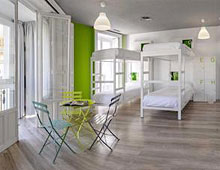 Budget accommodations
 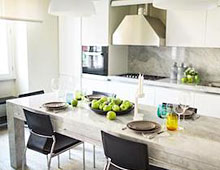 Apartments
  Family Hotel
 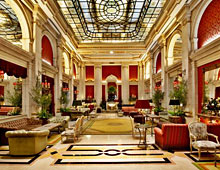 Luxury Hotel
 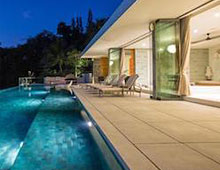 Resorts