Athens: Acropolis Ticket and Optional Entry to 5 Other Sites
13.927 reviews
Buy now
From 36,00€ per person
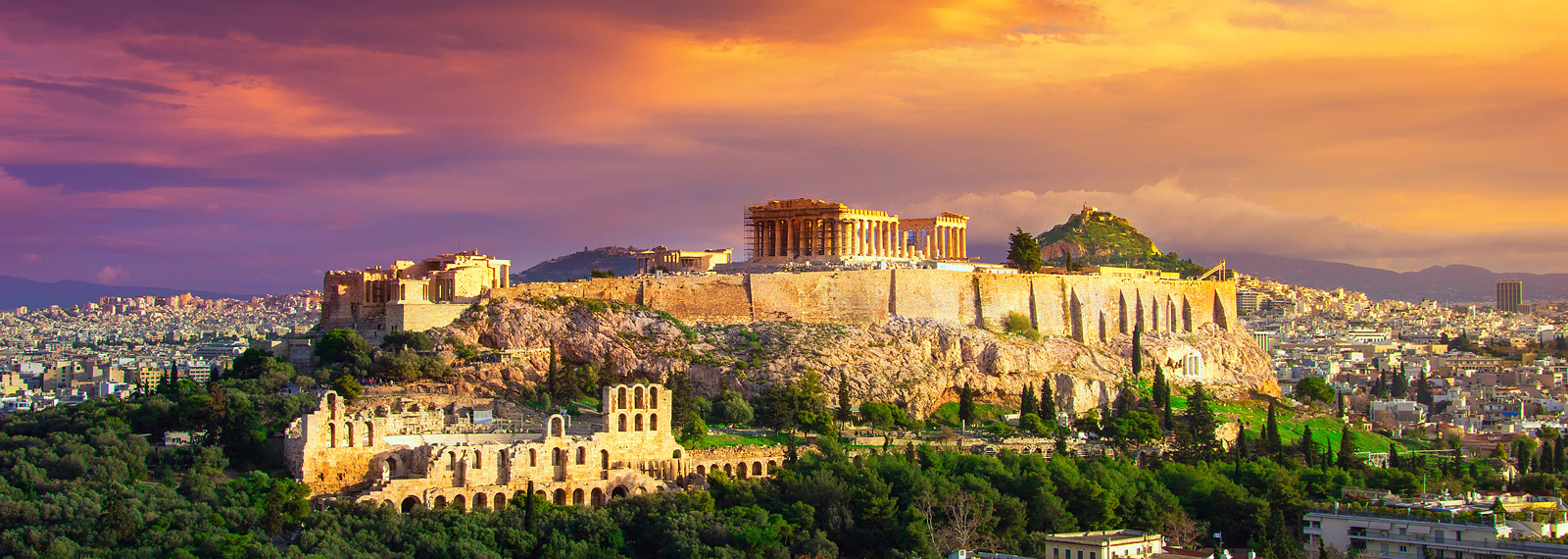
Athens, the capital of Greece, is a city that beautifully blends millennial history and vibrant modernity. As you stroll through its streets, you will feel the powerful contrast between the imposing Acropolis towering from above and the bustle of contemporary neighbourhoods such as Psiri and Gazi. Cradle of ancient civilisation and democracy, Athens is an immense metropolis where at every corner you can come across millennia-old ruins.
The iconic temples of the Acropolis – first and foremost the Parthenon, considered the pinnacle of classical Greek architecture – the mythical ancient stadium where the modern Olympic Games began, the Agora where Socrates taught philosophy and some of the most important museums of ancient art in the world, are the wonders everyone expects to find in Athens.
While proud of its glorious past, the Greek capital looks forward and pulsates with energy. It is a modern city, where you can visit contemporary art galleries, photograph creative street art, rock out at a rock festival or sample artisanal beers.
Athens’ Mediterranean climate makes it an ideal destination for much of the year, with hot, dry summers and mild winters. Spring and autumn offer particularly pleasant temperatures for exploring the city on foot. Despite its reputation as a chaotic metropolis, you will find that the historic centre is surprisingly compact and walkable, with most of the main attractions within walking distance.
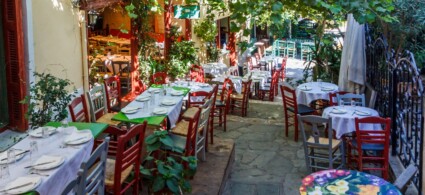
Athenian cuisine is another element that will enrich your stay, from traditional tavernas to gourmet restaurants, offering a gastronomic experience ranging from the famous souvlaki to innovative reinterpretations of contemporary Greek cuisine.
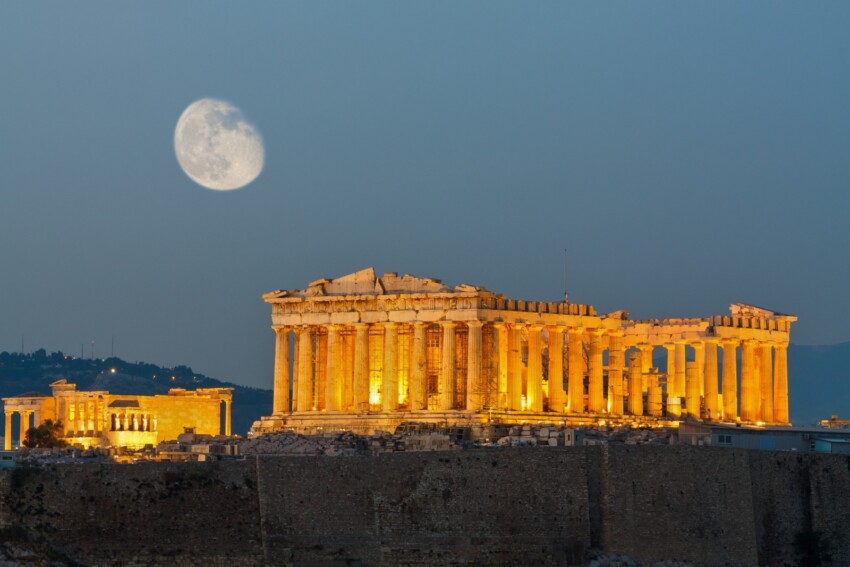
Athens is a treasure trove of historical and cultural attractions that would merit weeks of exploration. The undisputed symbol of the city is the Acropolis, the ‘upper city’ that dominates the cityscape with the majestic Parthenon, a temple dedicated to the goddess Athena and a masterpiece of Doric architecture. This archaeological complex, a UNESCO World Heritage Site, also includes other significant monuments such as the Propylaea, the elegant Temple of Athena Nike and the Erechtheion with its famous Caryatids.
At the foot of the Acropolis, the Ancient Agora was the beating heart of Athenian public life, where philosophers such as Socrates and Plato debated and taught. Nearby, the Acropolis Museum, opened in 2009, houses an extraordinary collection of sculptures and artefacts found at the archaeological site, presented in a contemporary building with a spectacular view of the Acropolis itself.
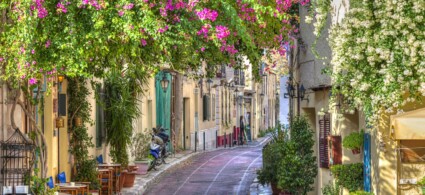
In the heart of the modern city, Syntagma Square is home to the Greek Parliament and the Changing of the Guard ceremony of the Evzonians, while the nearby Plaka district enchants with its picturesque alleys, traditional restaurants and craft shops. The National Archaeological Museum holds one of the most important collections of Greek antiquities in the world, including treasures such as the Mask of Agamemnon and the Antikythera bronzes.
For lovers of contemporary art, the Stavros Niarchos Cultural Centre, designed by Renzo Piano, offers a modern architectural oasis with the National Library and Opera. Complete your exploration with a walk up Lycabettus Hill, from where you can enjoy a breathtaking 360-degree panorama of the city all the way to the Aegean Sea, particularly impressive at sunset when Athens lights up in a thousand lights.
Find out more about the city’s attractions in the What to See in Athens section and, if you have a weekend available, check out our Athens itinerary.
Due to the amount of tourists who visit these attractions on a daily basis, we recommend booking tickets to the main attractions online well in advance.
Discover Atene through the eyes of expert guides who will take you on a tour of the city's hidden treasures. Participating in a guided visit or a free tour will allow you to capture the true essence of Atene.
The free tours are a viable alternative to traditional guided tours. They work like this: participation is free and at the end of the visit you can leave a tip at your discretion. Below you will find our favourite free tour, otherwise you can see the full list by visiting this page.
Athens, the vibrant capital of Greece, offers a wide range of accommodation options to suit the needs of all travellers. From the luxury of large five-star hotels in the city centre, with world-class amenities and panoramic views of the historic Acropolis, to cosy bed and breakfasts in the quaint streets of Plaka, you can soak up the authentic Athens atmosphere.
Holiday flats are a popular choice, offering more space and comfort for families or groups of friends. If you prefer a more authentic experience, you can opt for room rentals run by local families, allowing you to discover Greek culture first-hand: whatever your choice, Athens offers a wide range of accommodation to ensure an unforgettable stay in the Greek capital.
Plaka and Monastiraki represent the historical heart of Athens, where you can stay immersed in the authentic atmosphere of the ancient city. These districts offer a wide choice of boutique hotels in historic buildings, with breathtaking views of the Acropolis and easy access to the main tourist attractions. Although prices are generally higher than in other areas, the privilege of waking up with the Parthenon outside your window amply justifies the investment.
The Syntagma district is ideal for those seeking a central and well-connected location. Psiri and Gazi represent the young and creative soul of Athens. These formerly industrial and now redeveloped neighbourhoods offer contemporary design accommodation, often housed in old warehouses or factories. The Kolonaki district is the most elegant and sophisticated area of Athens. Koukaki and Makriyanni, south of the Acropolis, are residential districts that have seen a growth in tourist flats and small hotels in recent years.
Athens occupies a strategic position in the eastern Mediterranean, serving as the main gateway to Greece and the Aegean islands. The Hellenic capital is well connected to the rest of Europe and the world thanks to numerous direct flights, ferries plying the Mediterranean and a rail network connecting it to the European continent. The city stretches across the Attica plain, surrounded by mountains and overlooking the Saronic Gulf, a position that has determined its role as a commercial and cultural centre over the millennia.
Athens International Airport, located some 33 km east of the city centre, is Greece’s main air terminal and one of the most modern in the Mediterranean. Inaugurated in 2001 ahead of the 2004 Olympic Games, the airport is served by several airlines offering direct flights from major European cities and intercontinental connections.
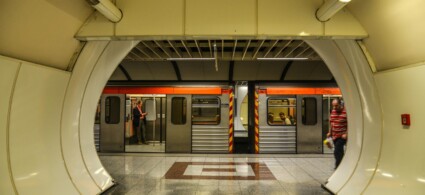
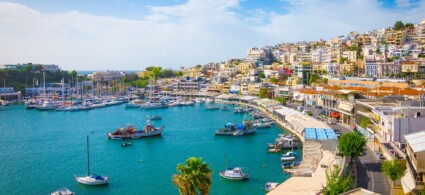
The Port of Piraeus, one of the largest in the Mediterranean, is located about 10 km from the centre of Athens and is the main hub for ferries to the Greek islands. The port is well connected to the city centre via Metro Line 1 (green), with a journey of about 20 minutes to Monastiraki or Omonia. From here, ferries leave for all the major Aegean islands, the Cyclades, the Dodecanese, the islands of the Saronic Gulf and Crete.
The Attica region offers numerous opportunities for day trips from Athens, allowing you to discover the historical and natural wealth of mainland Greece.
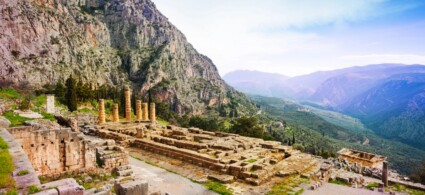
Approximately 69 km south of Athens, Cape Sounion will enchant you with its majestic Temple of Poseidon, perched on cliffs overlooking the Aegean Sea and particularly impressive at sunset. For an immersion in ancient Greek spirituality, Delphi, 180 km from the capital, is a must. Considered by the ancients to be the ‘centre of the world’, this sanctuary of Apollo will amaze you with its theatre, temple and treasury of the Athenians, as well as an excellent archaeological museum.
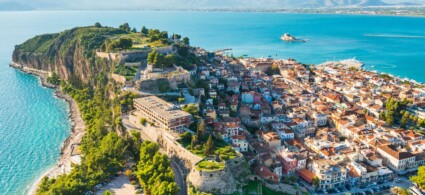
To the west, you can combine a visit to the impressive Corinth Canal with an exploration of Mycenae, the cradle of Mycenaean civilisation, where you will admire the famous Lion’s Gate and impressive tholos tombs. About 140 km away, Nafplio is a pleasant break from ancient history: the first capital of modern Greece, it enchants with its Venetian old town, imposing fortresses and romantic atmosphere. From here you can also easily reach Epidaurus, with its ancient theatre famous for its perfect acoustics.
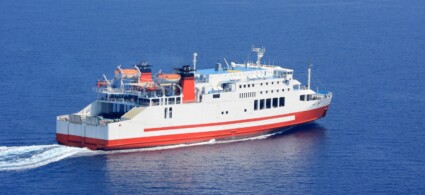
For a completely different experience, the islands of the Saronic Gulf – Aegina, Poros, Hydra and Spetses – offer a taste of Greek island life at a short distance from the capital: leaving Piraeus early in the morning, you can visit one or even more of them in a single day thanks to frequent ferries or daily cruises.
Aegina, only a 40-minute boat ride away, will surprise you with the well-preserved Temple of Aphaia, while Hydra, completely car-free, will take you back in time with its mules, picturesque harbour and elegant stone mansions. For all these itineraries, hiring a car is the ideal solution for maximum flexibility, although many destinations can also be reached by tourist buses or organised tours that depart regularly from Athens.
What's the weather at Athens? Below are the temperatures and the weather forecast at Athens for the next few days.
Athens is located in the south-eastern part of mainland Greece, in the historical region ofAttica. The city is surrounded by mountains on three sides - Imetto to the east, Pendeli to the north and Parnitha to the northwest - while to the southwest it opens onto the Saronic Gulf, part of the Aegean Sea. This strategic location, with its natural port of Piraeus, has historically contributed to its development as a commercial and cultural centre.








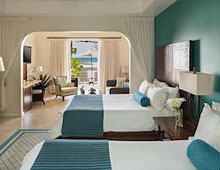 Hotel
Hotel 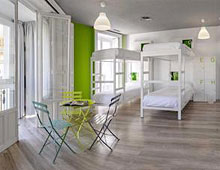 Budget accommodations
  Apartments
  Family Hotel
 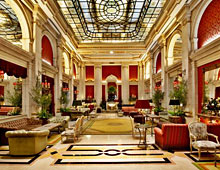 Luxury Hotel
 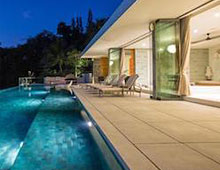 Resorts