Plaka
Plaka, the historical heart of Athens, offers a unique immersion in cobbled alleys, neoclassical houses, Roman ruins and traditional taverns, all in the shadow of the imposing Acropolis.
Read more
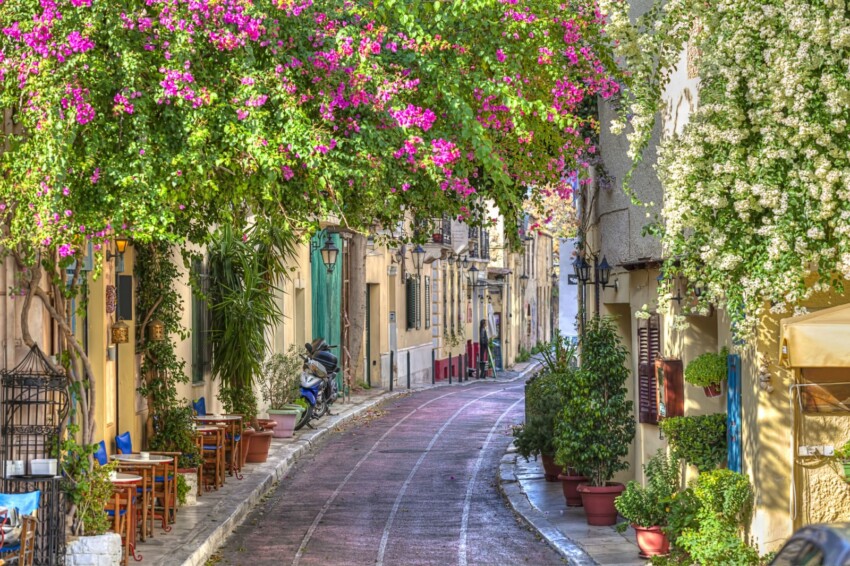
The neighbourhoods of Athens offer a kaleidoscope of experiences that reflect the historical and cultural richness of the Greek capital. Each area possesses a distinct personality, from the labyrinthine streets of Plaka with its neoclassical buildings to the sophisticated elegance of Kolonaki to the alternative artistic vibrancy of Psyrri. This diversity makes Athens a fascinating destination for urban explorers of all kinds.
The historical layering of Athenian neighbourhoods tells millennia of history: from the ancient core of Plaka, which developed at the foot of the Acropolis, to 19th-century neighbourhoods such as Kolonaki, to areas of recent urban renaissance such as Gazi and Metaxourgio. This continuous evolution has created an urban fabric where ancient and modern coexist in harmony.
The geographical location of each district profoundly influences its character: central areas such as Syntagma and Monastiraki pulsate with commercial and tourist life, while areas such as Koukaki and Pangrati offer a more authentic and residential atmosphere. The proximity to the Acropolis and major archaeological sites often determines the tourist flow and cultural identity of each area.
The public transport network effectively connects all the main districts through three metro lines and an extensive bus system, making it possible to comfortably explore the city and discover the unique characteristics of each area. This accessibility allows visitors to customise their itinerary according to their own interests and preferences.
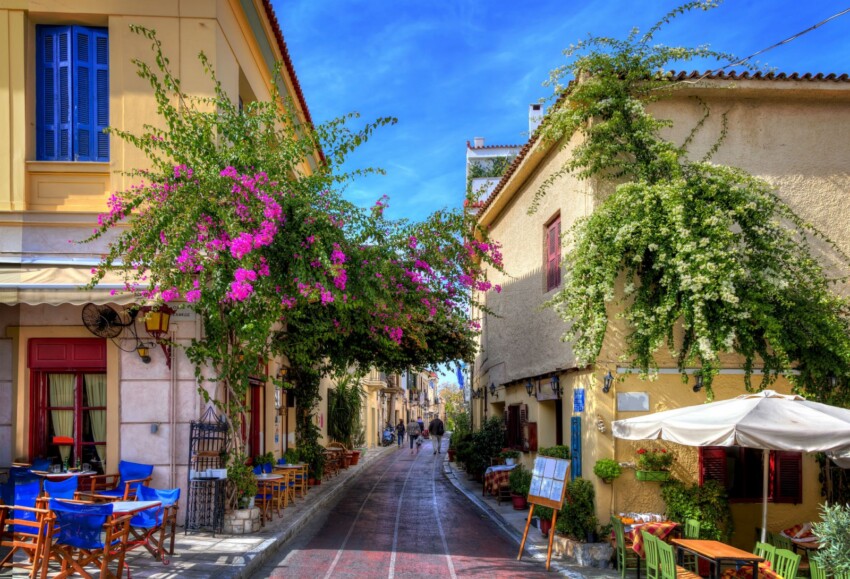
Plaka represents the historical soul of Athens and is affectionately called the ‘Quarter of the Gods’ due to its privileged location at the foot of the Acropolis. This labyrinth of cobbled streets and 19th-century neoclassical houses retains the charm of traditional Athens, with bougainvillea and jasmine decorating balconies and courtyards creating an almost insular atmosphere.
The pedestrian streets of Plaka, such as Adrianou Street and Kydathineon Street, are home to an incredible concentration of traditional taverns, outdoor cafes and local craft shops. This area strikes the perfect balance between authenticity and tourist amenities, offering visitors the chance to immerse themselves in Greek culture without sacrificing comfort.
In the heart of Plaka lies Anafiotika, a small architectural gem consisting of some 45 blue and white houses that faithfully reproduce the Cycladic style. This unique neighbourhood was born in the 19th century when artisans from the island of Anafi, called to Athens to rebuild the Royal Palace, decided to recreate a corner of their homeland to ease their homesickness.
The one-storey houses with blue, blue, green or red coloured doors and windows, decorated with flowers and creepers, create a fascinating contrast to the surrounding neoclassical architecture. Strolling through the alleys of Anafiotika offers a unique experience, like being transported to a Greek island in the heart of the metropolis.
Plaka is home to important cultural sites such as the Acropolis Museum, the Museum of Greek Folk Musical Instruments and the Monument of Lysicrates, an elegant round temple from the 4th century BC. The famous Mniskleous staircase, one of the most photographed streets in Athens, connects the lower part of the district with the upper part, offering picturesque views and numerous outdoor cafes.
Its proximity to the Acropolis makes Plaka an ideal starting point for visiting the Parthenon and other ancient temples. The area is well served by the Akropolis metro station (red line) and Monastiraki metro station (green and blue lines), providing easy connections to the rest of the city.
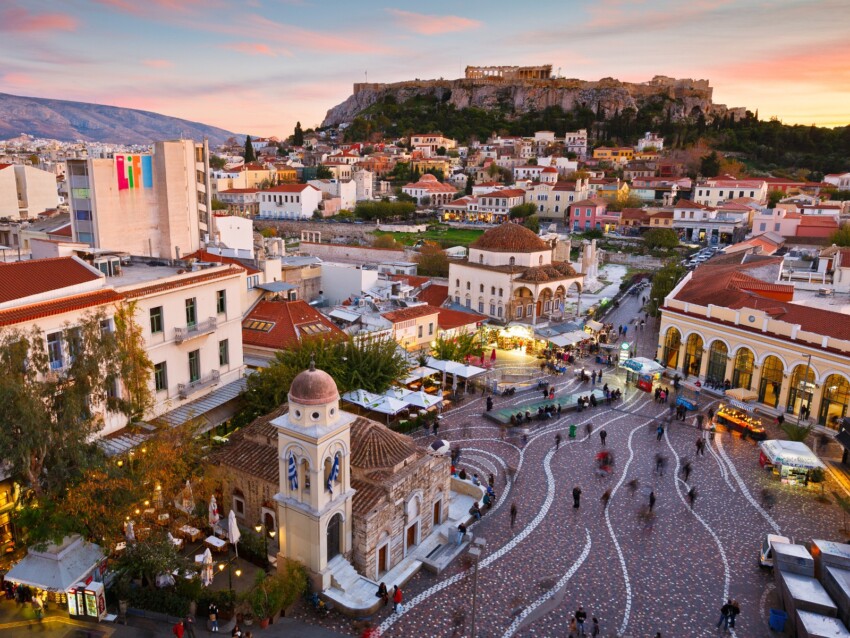
Monastiraki owes its name to the small 10th-century Byzantine monastery that still dominates the district’s main square. This area represents the crossroads between ancient and modern Athens, where the ancient Agora meets the bustling Sunday flea market and modern shopping centres.
The flea market on Ifestou Street and Plateia Avissinias is one of the district’s most characteristic attractions. Here you can find everything from authentic antiques to mass reproductions, from traditional bouzoukis to vintage furniture, creating a unique atmosphere that mixes past and present.
The Agora of Athens, located in the heart of Monastiraki, was the centre of Athenian public life and democracy. Politicians, philosophers and ordinary citizens gathered here to discuss the affairs of the polis. The archaeological site preserves important relics such as the Temple of Hephaestus, one of the best preserved Doric temples in Greece.
Hadrian’s Library and the Roman Agora complete the archaeological heritage of Monastiraki, offering visitors a journey through different historical periods. The Pantanassa Church, incorporated into the former Tzistarakis Mosque, bears witness to the cultural stratification that characterises this neighbourhood.
The shopping streets of Monastiraki, such as Ermou and Pandrossou, offer a mix of traditional and modern shops. Via Adrianou, which runs through the entire district, is famous for its souvenir shops and taverns with views of the Acropolis. The area is easily accessible by metro lines 1 and 3, which stop at the station of the same name.
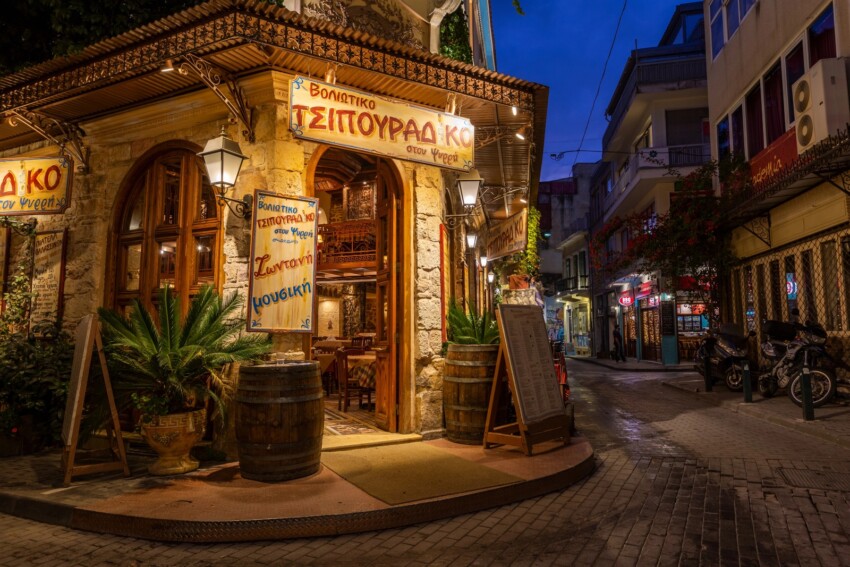
Psyrri (or Psiri) has earned the nickname ‘Soho of Athens’ thanks to its transformation from a working-class neighbourhood to a cultural and artistic centre. Located a few minutes’ walk from Monastiraki, this historic Ottoman quarter has undergone an extraordinary renaissance in recent decades, becoming the heart of Athens’ nightlife and alternative art scene.
Restored neoclassical houses now house art galleries, experimental theatres, design hotels and ethnic restaurants that attract young Athenians and tourists looking for authentic experiences. The cobbled streets and hidden courtyards create an intimate, bohemian atmosphere that contrasts with the hustle and bustle of the more touristy areas.
The neighbourhood can be reached via the Thissio metro station (green line) or Monastiraki metro station (green and blue lines). The proximity to Plaka and the historical centre makes it easy to combine a visit to the archaeological sites with an exploration of Psyrri’s contemporary art scene.
Psyrri is famous for its artistic murals and graffiti that decorate walls and buildings, turning the neighbourhood into an open-air art gallery. The cultural scene is particularly vibrant with over 20 theatres and numerous exhibition spaces offering innovative and experimental programming.
Psyrri’s nightlife ranges from intimate wine bars to clubs with live music, from traditional taverns to fusion restaurants. The area is particularly lively at weekends, when the streets fill with young people seeking entertainment and culture.
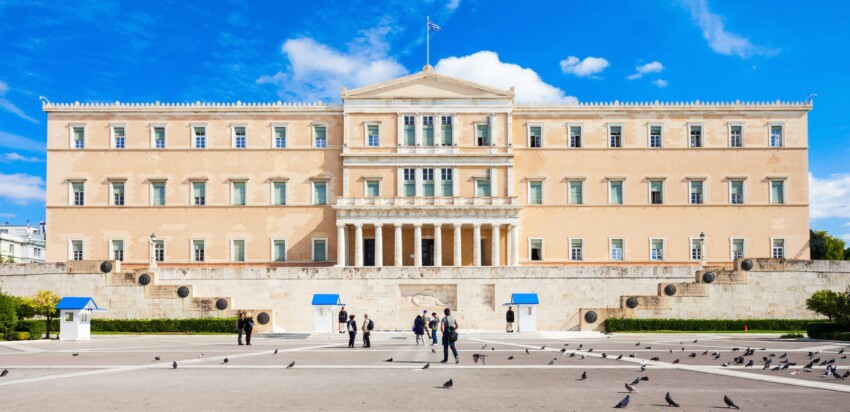
Syntagma Square (Constitution Square) is the political and social centre of modern Athens. Dominated by the Parliament Building, the former royal residence, the square owes its name to the constitution granted by King Otto in 1843 after popular protests. Today it is the main transport hub and the reference point for finding your way around the Greek capital.
The changing of the guard in front of the Monument to the Unknown Soldier, which takes place every hour with the solemn ceremony of the Euzoni in traditional costume, is one of the most photographed attractions in Athens. The square is surrounded by luxury hotels, historic cafes and branded shops, making it the city’s elegant living room.
Syntagma concentrates many essential services for tourists: exchange offices, banks, pharmacies, tourist offices and transport companies. The presence of numerous superior hotels and international restaurants makes it a favourite area for visitors seeking comfort and convenience during their Athenian stay.
Adjacent to Syntagma Square is the National Garden, a 15-hectare green oasis that offers refreshment from the summer heat and houses a small zoo and the Botanical Museum. The garden connects the square with the Panathenaic Stadium, site of the first modern Olympic Games in 1896, and the Temple of Olympian Zeus.
Ermou Street, Athens’ main commercial artery, starts from Syntagma and runs through the entire historic centre to Monastiraki, offering shopping for all tastes and budgets. The area is well served by metro lines 2 and 3, which intersect at the Syntagma underground station.
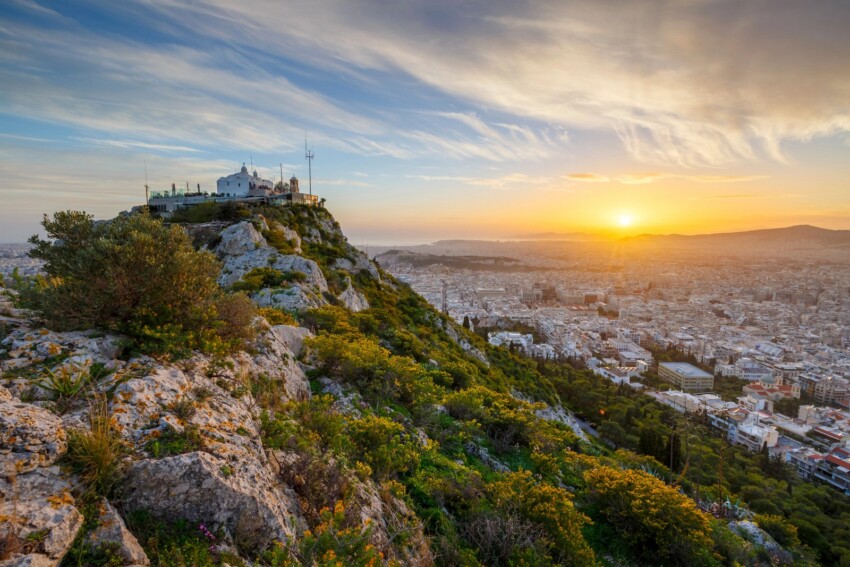
Kolonaki represents the most elegant and sophisticated district of Athens, located at the foot of Lycabettus Hill and developed in the 19th century as a residential area for the Athenian elite. The name derives from the 2 metre high ‘little column’ that still stands in the district’s central square, an archaeological find that testifies to the ancient history of the place.
The neoclassical and Art Nouveau buildings that characterise the architecture of Kolonaki create a refined atmosphere unique in the city. The streets are mainly pedestrianised and lined with trendy cafes, luxury boutiques and art galleries. The area is home to numerous embassies and government offices, confirming its status as an institutional district.
Voukourestiou Street is famous for its jewellers and high-fashion boutiques, while the surrounding streets are home to concept shops, specialised bookshops and designer shops. Kolonaki’s gastronomic scene ranges from gourmet restaurants to exclusive wine bars, from historical patisseries to chic cafés with panoramic terraces.
The district is home to important cultural institutions such as the Benaki Museum, the Museum of Cycladic Art, the Byzantine Museum and the War Museum. This concentration of quality museums makes Kolonaki an essential stop for art and culture enthusiasts.
Lycabettus Hill (277 metres) offers the most spectacular panoramic view of Athens, accessible on foot via scenic paths or conveniently by cable car from Aristippou Street. The summit houses the chapel of St. George and several restaurants with terraces offering romantic dinners with views of the illuminated city.
The neighbourhood is served by the Evangelismos (blue line) and Megaro Moussikis (blue line) metro stations, while Syntagma station is a 15-minute walk away via a pleasant promenade.
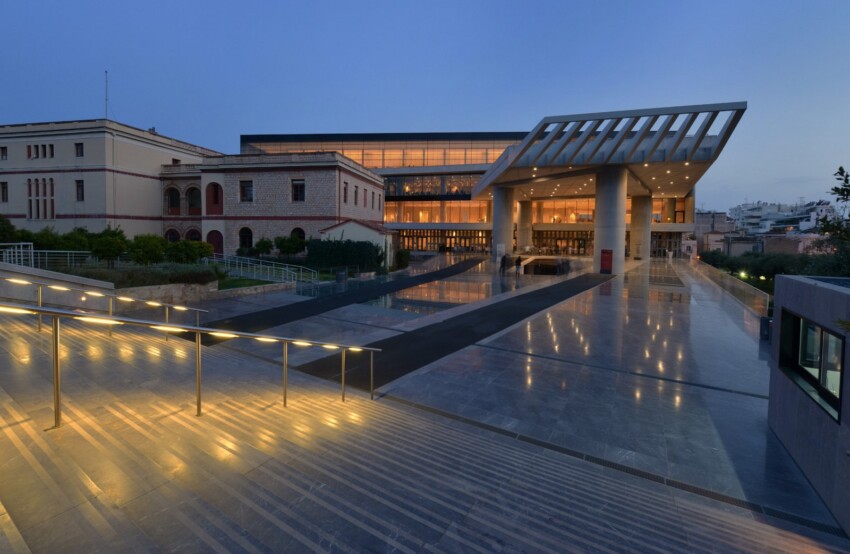
Koukaki represents one of Athens’ most up-and-coming neighbourhoods, located south of the Acropolis between the Acropolis Museum and Philopappos Hill. This residential area has undergone a significant transformation in recent years, attracting young Athenians and tourists looking for authenticity combined with modern amenities and affordable prices.
The neighbourhood maintains a genuinely Athenian atmosphere with its family taverns (koutoukia), neighbourhood cafés and local markets, offering visitors the opportunity to experience the daily life of the inhabitants. The tree-lined streets and small parks create a pleasant environment for strolling and relaxing.
Koukaki is conveniently located within walking distance of the Acropolis, the Old Town and many other major attractions. The Akropolis metro station (red line) provides quick connections to the rest of the city, while its proximity to the centre makes it ideal for those wishing to explore Athens without always using public transport.
The Acropolis Museum, opened in 2009, has catalysed the district’s tourist development, attracting millions of visitors. Also nearby are the National Museum of Contemporary Art and several cultural centres offering events and temporary exhibitions.
Drakou Street, the pedestrian street that runs through the heart of Koukaki, has become the centre of the neighbourhood’s social life with its independent shops, bookshops, wine bars and ethnic restaurants. The area offers excellent multicultural cuisine at affordable prices, from traditional Greek tavernas to Middle Eastern and Asian restaurants.
Gazi represents one of the most successful examples of urban regeneration in Athens. This former industrial district has undergone a radical transformation since 1999 with the opening of Technopolis, the city’s largest cultural centre housed in the former gasworks that gave the district its name.
Today, Gazi is home to over 60 restaurants and bars, 20 theatres, exclusive clubs and art galleries, making it the beating heart of Athens’ nightlife. The former industrial structures converted into cultural spaces create a unique atmosphere that mixes industrial archaeology and contemporary creativity.
Gazi is served by the Keramikos metro station (blue line), from which an escalator leads directly to the district’s main square.
Technopolis organises concerts, festivals, art exhibitions and cultural events throughout the year, attracting audiences from all over Greece. The space also includes an open-air cinema that during the summer offers film festivals under the stars, a typically Athenian magical experience.
The neighbourhood has also become the centre of Athens’ LGBT scene, with numerous bars and clubs offering inclusive and quality entertainment.
Exarchia represents the rebellious and alternative soul of Athens, a university district that has maintained its identity as a centre of counterculture and social movements over the years. Located north of Omonia Square, this area retains an authentic and genuine atmosphere that contrasts with the more touristy areas of the city.
The neighbourhood is home to numerous independent bookshops, literary cafes, art cinemas and social centres, making it a hotspot for intellectuals, students and artists. The streets are decorated with political street art and murals that tell the story of contemporary Greek social movements.
While maintaining its authentic and alternative character, Exarchia requires some precautions, especially during political demonstrations or at night. The neighbourhood can be reached from the metro stations Omonia (red and green lines) and Panepistimio (red line), as well as by numerous city bus lines.
Exarchia Square is the social heart of the district, surrounded by traditional family-run taverns, authentic ouzerias and alternative bars frequented by a local clientele. The area offers affordable prices and an informal atmosphere that attracts young people and travellers on a budget.
The neighbourhood is home to important cultural institutions such as the National Theatre and several independent cinemas offering art and arthouse programmes. The proximity to the University of Athens and the Polytechnic maintains the student and intellectual atmosphere that characterises Exarchia.
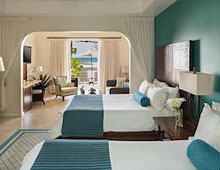 Hotel
Hotel 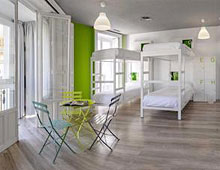 Budget accommodations
 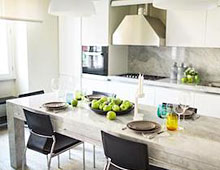 Apartments
  Family Hotel
 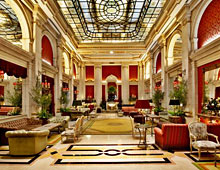 Luxury Hotel
  Resorts