The types of venues in Athens
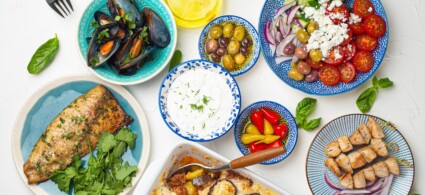
Athens offers an incredible variety of dining experiences, each with its own charm and distinctive characteristics. Here are the main types of establishments where you can sample Greek cuisine during your stay in the Hellenic capital:
Taverns
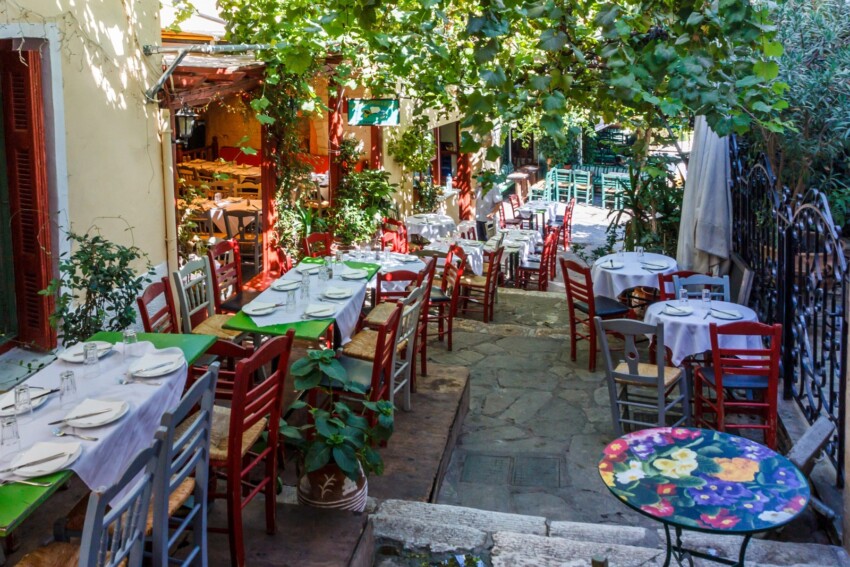
Taverns represent the essence of traditional Greek dining. These informal and often family-run establishments are the beating heart of Athenian gastronomic culture. In tavernas, the atmosphere is relaxed and convivial, with tables often outside in small squares or along cobbled streets. The typical menu includes a wide selection of mezedes (starters) and traditional dishes such as moussaka, pastitsio and stifado. Prices are generally affordable and portions are generous. The tavernas are ideal for those who want to immerse themselves in the authentic Greek dining experience, often accompanied by live traditional music on summer evenings.
Estiatorio (Restaurants)
Estiatorios are more formal restaurants than tavernas, with table service and a more elegant atmosphere. Here you will find a more structured menu, with starters, main courses and desserts. Many estiatorios focus on traditional Greek cuisine, but presented with a more sophisticated touch, while others offer modern or fusion interpretations of classic recipes. Prices are generally higher than in tavernas, but the quality and presentation of the dishes justify the difference.
Psistaria (Grill)
Psistaria are restaurants specialising in grilled meats, a staple of Greek gastronomy. Here you can enjoy souvlaki, kokoretsi, paidakia (lamb chops) and other grilled specialities, often accompanied by fried potatoes, salad and tzatziki. The ambience is generally informal, with a lively and convivial atmosphere. Psistaria are particularly popular among locals for social dining.
Psarotaverna (Fish taverns)
As the name suggests, psarotaverna are taverns specialising in fish and seafood dishes. Located mainly near the port of Piraeus or in coastal areas, they offer fresh fish of the day, grilled octopus, fried squid and seafood salads. Fish is often sold by weight, so it is advisable to ask the price before ordering to avoid surprises at the checkout.
Street food and Souvlatzidika
Street food is an important component of Athenian gastronomic culture. Kiosks and small places specialising in souvlaki and gyros (called souvlatzidika) are everywhere in the city and offer a cheap and quick option for a meal on the go. Besides souvlaki, you can find koulouria (bread doughnuts covered with sesame seeds), loukoumades (fried dough balls dipped in honey) and other street specialities. These eateries are perfect for a quick lunch during your explorations of the city.
Zaharoplasteia (Patisseries)
Greek pastry shops are an institution in Athens and offer a wide range of traditional sweets such as baklava, galaktoboureko, kataifi and loukoumades. Many pastry shops also function as cafeterias, where you can enjoy a Greek coffee (ellinikos kafes) or a milkshake accompanied by delicious pastries. Some historic patisseries in Athens have existed for generations and have become real tourist attractions.
Food Markets
The Athens Central Market (Varvakios Agora) and neighbourhood markets offer a unique gastronomic experience. In addition to selling fresh produce, many markets host small restaurants and kiosks where you can enjoy simple, authentic dishes prepared with freshly bought ingredients. Markets are also great places to taste and buy Greek specialities such as olives, cheeses, cold meats and preserves to take home as souvenirs.
Kafeneia (Traditional Cafés)
Kafeneia are traditional Greek cafés, social spaces where Athenians gather to sip Greek coffee, play backgammon and discuss politics. Although they focus mainly on drinks, many kafeneia also serve simple mezedes and pastries. These venues offer an authentic glimpse into everyday Athenian life away from the tourist trail.
Where to eat in Athens
Athens offers an incredible variety of gastronomic experiences, from simple street food stalls to starred restaurants. Whether you decide to sample souvlaki at a small kiosk in Monastiraki, enjoy homemade specialities at a taverna in Plaka, or explore modern Greek cuisine at a restaurant in Kolonaki, every bite will tell a story about this extraordinary city.
Here is a guide to the best neighbourhoods and places to enjoy authentic Greek cuisine.
Plaka
Plaka, Athens’ oldest neighbourhood nestled at the foot of the Acropolis, is a labyrinth of cobbled streets full of traditional tavernas. Although a tourist area, it still hides authentic gems where you can dine.
Scholarchio1is a historic tavern that serves homemade dishes following traditional recipes. The menu changes daily depending on the fresh ingredients available, but you can always count on Greek classics.
Saita2 is a small family-run establishment where you can enjoy excellent mezedes (starters) and traditional Athenian dishes in a cosy and unpretentious atmosphere.
Avoid restaurants with ‘proxies’ outside the door insistently inviting you in, as they often serve inferior food for tourists.
Monastiraki and Psiri
The area of Monastiraki and the neighbouring district of Psiri are hubs of Athenian nightlife, with numerous restaurants, bars and tavernas.
Ta Karamanlidika tou Fani3 is a delightful combination delicatessen and restaurant, specialising in traditional Greek charcuterie and cheese. Perfect for a light lunch or dinner of mezedes to share.
Lukumades4 is famous for its loukoumades, fried pastries served with various toppings, from the traditional combination of honey and cinnamon to modern variants with chocolate or ice cream.
Feyrouz5 offers an interesting fusion of Greek cuisine and Middle Eastern influences, with dishes such as lahmacun (a kind of thin pizza) and peinirli (stuffed boat-shaped sandwiches). This variety of flavours also reflects the influence of Greek history and culture on the local gastronomy.
Exarchia
Exarchia is Athens’ alternative neighbourhood, with a vibrant cultural scene and bohemian atmosphere. Here you will find more authentic restaurants frequented mainly by locals.
Ama Lachei6 is located in the courtyard of an old school and serves regional Greek dishes in a relaxed atmosphere. The menu changes regularly, but always includes seasonal specialities prepared with fresh ingredients.
Oxo Nou7 is famous for its mezedes and rebetiko (Greek folk music) played live on some evenings, offering a complete cultural experience.
Kolonaki
Kolonaki is Athens’ chic neighbourhood, with luxury boutiques, art galleries and elegant restaurants. It is the ideal place for a more refined dining experience.
Filippou8 has been an Athenian institution since 1923, frequented by politicians, artists and celebrities. It serves traditional Greek cuisine of the highest quality in a sober and elegant setting.
Gazi
The former industrial district of Gazi, now redeveloped, has become one of Athens’ nightlife hubs, with numerous restaurants ranging from traditional to more innovative cuisine.
Hoocut9 is a modern eatery specialising in gourmet souvlaki, where you can create your own dish by choosing from a variety of meats, breads and sauces, all prepared with high quality ingredients.
Aleria10 it combines contemporary techniques with traditional Greek flavours in a seasonal menu served in an elegant neoclassical villa with garden.
Central Market (Varvakios Agora)
Athens' central municipal market11 is a vibrant place to shop for fresh produce, but also to enjoy simple, authentic dishes in the small restaurants that surround it. It is an unmissable stop on your Athens itinerary.
Diporto12 is a hidden cellar that serves some of the most authentic homemade dishes in Athens. The menu is limited and changes daily, but the quality is always excellent.
To steki tou Ilia13 is famous for its grills, especially paidakia (lamb chops), served in a simple but cosy atmosphere. Just like the taverns you will find on the Greek islands, there is a typically Hellenic atmosphere of conviviality here.
What to drink in Athens
In addition to restaurants, here are some gastronomic experiences that will make your stay in Athens even more memorable.
Greek wine tasting
Greece boasts a wine tradition dating back thousands of years and varieties of indigenous grapes that are worth discovering. A Greek wine tasting is an unmissable experience for wine lovers, and a perfect complement to your visit to museums and historical attractions.
Oinoscent14 is a modern wine bar in the centre of Athens offering a wide selection of Greek wines by the glass, accompanied by platters of local cheeses and cold cuts. The knowledgeable staff will be happy to guide you through the different wine regions and indigenous grape varieties.
Heteroclito15 is a cosy wine bar specialising in natural Greek wines produced by small winegrowers. They regularly organise thematic tastings and evenings with producers.
If you plan to visit other destinations such as Santorini or Crete, you can compare the different regional wine styles of Greece.
Greek coffee
Greek coffee (ellinikos kafes) is an integral part of Athenian culture. Similar to Turkish coffee, it is brewed in a briki (small copper pot) and served unfiltered, with the grounds settling to the bottom of the cup.
You can order it three ways: sketos (unsweetened), metrios (moderately sweetened) or glykos (very sweet). It is traditionally served with a glass of water and should be sipped slowly, enjoying the moment.
Mokka16 in the neighbourhood of Exarchia is a traditional café where you can watch the meticulous preparation of ellinikos kafes and enjoy it in an authentic atmosphere.
Ouzo and other spirits
No visit to Athens is complete without tasting ouzo, Greece’s iconic aniseed liqueur, or its cousin tsipouro. These spirits are traditionally served with mezedes and are a staple of Greek socialising, just as they are in the Ionian Islands or the Cyclades.
Ouzo is usually drunk diluted with water, which turns it from clear to milky, and accompanied by small dishes such as olives, feta, octopus or sardines.
Brettos17founded in 1909, it is the oldest distillery in Athens and today also serves as a bar, where you can taste different varieties of ouzo, tsipouro and artisanal liqueurs in a quaint environment with walls covered in colourful bottles. This experience is a great complement to the cultural visits you will make during the day.
Practical tips for eating in Athens
Here are some useful tips to help you navigate the Athenian gastronomic scene and make the most of your dining experience:
Meal times
Greeks tend to eat later than northern European standards. Lunch is usually eaten between 13:00 and 15:00, while dinner rarely starts before 21:00, especially in summer. Many restaurants stay open until late at night, allowing you to dine even after 10pm. This relaxed pace is part of the experience of a trip to Greece, so adapt to local times to really immerse yourself in the culture.
Tipping
Tipping is not compulsory in Greece, but is appreciated for good service. A 5-10% is considered generous. In some more touristy restaurants, it may already be included in the bill as ‘service’, so check your receipt before leaving an extra. The rules for tipping are similar throughout Greece, so you can also apply these tips when visiting other parts of the country.
Ordering like a local
In Greece, it is common to order several dishes to share rather than one main dish per person. This allows you to sample a greater variety of specialities. Start with a few mezedes (appetisers), followed by salads and main dishes, all served in the centre of the table.
Bread is almost always served automatically and many restaurants charge a small ‘couvert’ fee (which includes bread and sometimes olives or other small delicacies). This sharing system is a fundamental feature of Greek gastronomic culture, which you will find both in Athens and on islands like Mykonos or Corfu.
Avoid tourist traps
Avoid low-quality tourist restaurants:
- Be wary of establishments with photographic menus displayed outside in multiple languages
- Avoid restaurants with proxies insistently inviting you in
- Prefer establishments full of Greek customers
- Move away from the main tourist attractions (even just a few streets away)
- Check online reviews, but favour those written in Greek (you can translate them)
These tips are especially important in the most touristy areas of Athens, such as around the Acropolis or Syntagma Square.
Set menu and dishes of the day
Many traditional tavernas offer a set menu for lunch or offer dishes of the day (mageirefta) that are not listed on the standard menu. These are often prepared in the morning and kept warm, ready to be served. Do not hesitate to ask the waiter what the special dishes of the day are, as they are often the most authentic options.
This tradition of dishes prepared in advance is particularly common in the more traditional taverns, where recipes handed down from generation to generation reflect true Greek culinary culture.
 Hotel
Hotel  Budget accommodations
  Apartments
  Family Hotel
  Luxury Hotel
  Resorts