Karma Athens II
Athens - 8 Τσάτσου
Book now
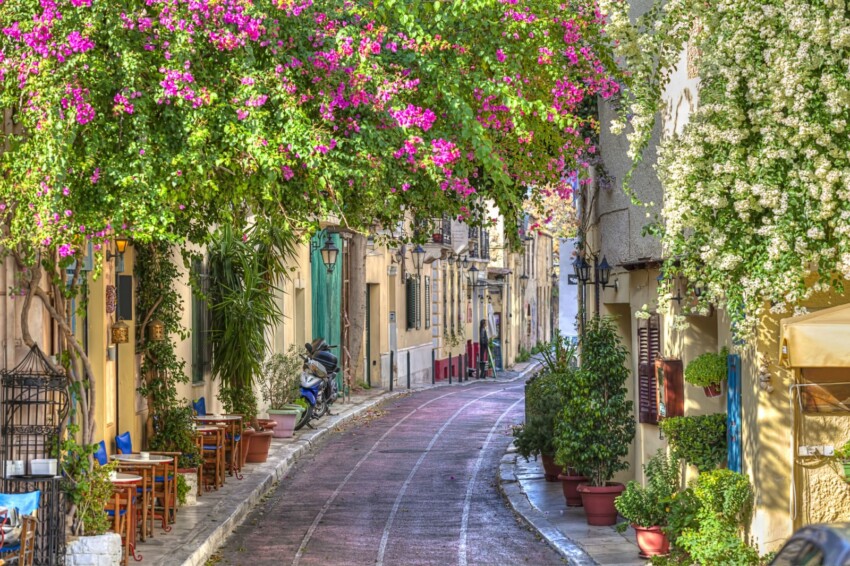
Plaka, known as the ‘Old Town’ of Athens, is one of the most charming and historical neighbourhoods of the Greek capital. Located at the foot of the Acropolis, this labyrinth of cobbled streets and neoclassical houses will transport you back in time, offering an authentic window into traditional Athenian life. With its lively atmosphere and pastel-coloured buildings, Plaka represents a perfect fusion of classical Athens and Ottoman influence, creating a unique environment where history and contemporary life coexist harmoniously.
Walking through its streets, you can admire architecture ranging from the Classical to the Byzantine and Ottoman periods, up to the Neoclassical period. The numerous traditional taverns, open-air cafés and local craft shops make Plaka not only a cultural destination, but also an ideal place to immerse yourself in Athenian gastronomy and shopping. The district is particularly atmospheric at sunset, when soft lights illuminate the alleys and the view of the illuminated Acropolis creates an unforgettable backdrop.
Despite being one of the most touristy areas of Athens, Plaka retains an authenticity that will allow you to discover quiet corners away from the crowds and savour the true essence of the Greek capital, among ancient ruins, Byzantine churches and shady little squares where time seems to stand still.
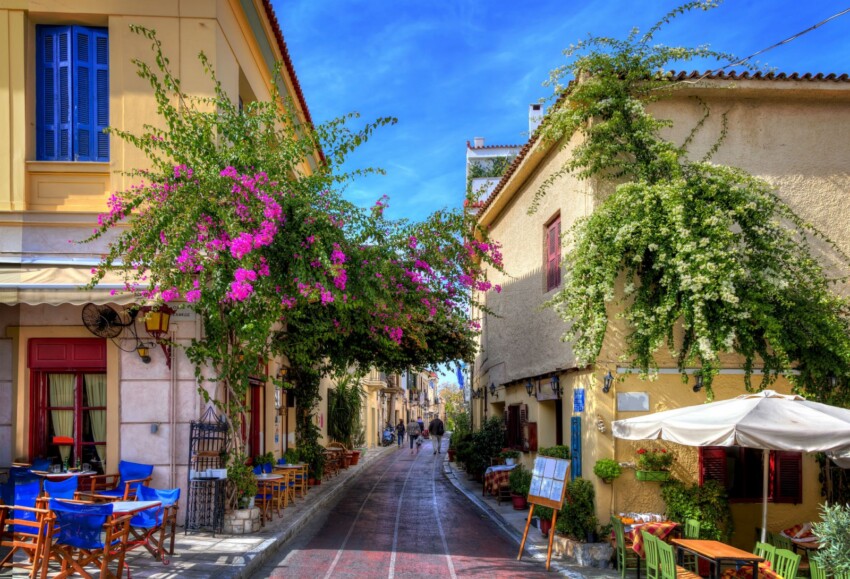
Plaka offers a perfect balance of historical monuments, fascinating museums and authentic Athenian daily life. Getting lost in its alleys means constantly discovering new treasures, from ancient ruins to quaint little squares surrounded by flowering bougainvilleas.
Anafiotika is a small village nestled in the upper part of Plaka, at the northern foot of the Acropolis. This charming corner of Athens will surprise you with its Cycladic style, which seems to transport you straight to a Greek island. The neighbourhood was built in the mid-19th century by craftsmen from the island of Anafi, who were called to Athens to work on the renovation of the Royal Palace after Greek independence.
Small white houses with blue doors and windows, narrow alleys and flower-filled courtyards create a picturesque maze that contrasts beautifully with the surrounding urban landscape. Wandering around Anafiotika, you can enjoy breathtaking views of the city below and discover small Byzantine churches hidden among the houses. The area is particularly peaceful and a perfect retreat from the hustle and bustle of the city centre.
To reach this hidden corner, you will have to climb narrow paths starting from the church of Agios Georgios in Stratonos. The route can be a little challenging, but the discovery of this village suspended in time amply repays the effort.
The Museum of Greek Culture (Museum of Greek Folk Art) is located in the heart of Plaka, in a beautifully restored neoclassical building. Founded in 1918, this museum offers an authentic window into traditional Greek life and crafts from the 17th to the 20th century.
Inside, you can admire a rich collection of traditional costumes from different regions of Greece, elaborate embroideries, hand-painted ceramics, and domestic utensils that tell the story of everyday life in the past. Particularly interesting is the section devoted to traditional jewellery and wedding ornaments, testimony to Greek goldsmithing skills.
The museum also houses reconstructions of traditional domestic interiors that will allow you to fully immerse yourself in the atmosphere of Greek homes of the past. The detailed explanations (also available in English) provide valuable information on the historical and cultural context of the exhibits.
If you visit Athens during traditional festivities, check the museum’s programme, which often organises special events and demonstrations of traditional handicrafts. The visit takes about an hour and is an unmissable cultural experience to understand the roots of contemporary Greek society.
The Church of Agios Nikolaos Rangavas is one of Plaka’s best-preserved Byzantine treasures. Built in the 11th century, this small church is a perfect example of middle Byzantine architecture with its typical cross shape and characteristic dome.
What makes this church particularly special is its bell tower, one of the oldest in Athens, added in the 3rd century. The interior frescoes, although partially damaged by time, retain their original beauty and offer a fascinating insight into Byzantine religious art.
The church is named after the Rangavas family, a noble Byzantine dynasty that lived nearby. The peaceful atmosphere inside contrasts pleasantly with the bustle of the surrounding streets, offering a moment of quiet contemplation while visiting the neighbourhood.
The church is generally open in the mornings and evenings before services. Remember to dress appropriately (shoulders covered and clothing not too skimpy) if you intend to visit the interior.
The Museum of Greek Folk Art (Centre for Ethnological Studies) is located in an old villa in Plaka and represents one of the most significant ethnographic collections in Greece. Unlike the Museum of Greek Culture, this museum focuses mainly on popular traditions, music and celebrations of Greek folklore.
The collections include traditional musical instruments, masks used during carnival and other festivities, and a wide range of objects related to popular superstitions and religious beliefs. Particularly interesting is the section devoted to the Greek shadow theatre (Karagiozis), a popular art form with Ottoman roots that had a great influence on Greek culture.
The museum regularly organises interactive workshops where you can watch demonstrations of traditional music or handicrafts. A visit is especially recommended for families with children, thanks to the educational activities offered and the interactive approach of many exhibitions.
Located on Kydathineon Street, the museum is easily accessible from Syntagma Square and takes about 45 minutes for a complete visit. Admission is moderately priced and reductions are available for students and senior citizens.
Adrianou Street is the main shopping street of Plaka and one of the oldest streets still in use in Athens. It runs parallel to the northern side of the Ancient Agora and is named after the Roman emperor Hadrian, who contributed significantly to the development of Athens in the 2nd century AD.
Today, this lively thoroughfare is home to an endless variety of shops selling everything from tourist souvenirs to high-quality handicrafts. You can find handmade silver jewellery, Byzantine icons, painted ceramics, spices, olive oil and other traditional Greek products. Many shops offer demonstrations of craftsmen at work, allowing you to appreciate traditional techniques.
Besides shopping, Adrianou Street is famous for its taverns and outdoor cafes, where you can relax and watch the hustle and bustle of locals and tourists. The street is especially lively in the late afternoon and evening, when street musicians add a touch of folklore to the already lively atmosphere.
During your walk, be sure to look up to admire the architectural details of the historical buildings lining the street, many of which date back to the 19th century and feature neoclassical and Ottoman elements.
Walking around Plaka, you will encounter numerous Roman ruins that are perfectly integrated into the modern urban fabric. One of the most significant sites is the Roman Agora, located in the northern part of the district. This complex, built between the 1st century BC and the 1st century AD, served as a commercial and administrative centre during the Roman period.
The most impressive structure in the area is the Tower of the Winds, an octagonal clock built in the 2nd century BC by the astronomer Andronicus of Cirrus. This 12-metre high tower served as a sundial, water clock and wind marker, with each of its eight sides representing a different wind, personified by figures carved in relief.
Another remarkable monument is Hadrian’s Gate, a triumphal arch built in AD 131 to celebrate the arrival of Emperor Hadrian and mark the boundary between the ancient Greek city and the new Roman city. The inscription on the western side reads ‘This is Athens, the ancient city of Theseus’, while the eastern side reads ‘This is the city of Hadrian, not Theseus’.
These archaeological remains are freely accessible and illuminated at night, offering an impressive sight if you visit the area after dark. Their constant presence during your walk around Plaka is a tangible reminder of the historical stratification that characterises Athens.
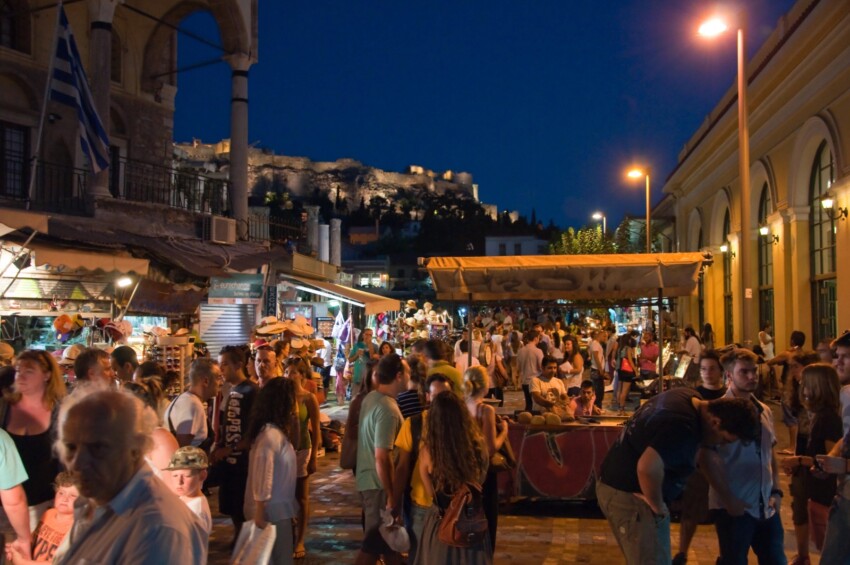
On the western edge of Plaka is Monastiraki, a lively neighbourhood famous for its flea market and bohemian atmosphere. The main square, dominated by the 10th-century Pantanassa church and the Ottoman-era Tzisdarakis mosque, is a popular meeting point for locals and tourists alike and one of Athens’ most visited attractions.
The Monastiraki Flea Market extends mainly along Ifestou Street and the surrounding streets. Here you can find everything from antiques to vinyl, from vintage clothes to religious icons, from used books to military artefacts. Sunday morning is the busiest time, when casual vendors join the regular traders, creating an even more lively and chaotic atmosphere.
The area is also famous for its many restaurants serving souvlaki and other Greek take-away specialities, perfect for a quick snack while exploring. The roof terraces of some bars offer spectacular views of the illuminated Acropolis, making them ideal places for a sunset aperitif.
The Monastiraki metro station makes it easy to access this area, which is a natural extension of your visit to Plaka and adds a touch of contemporary authenticity to the more historic experience of the main district.
The Monument of Lysikrates, located in the square of the same name in Plaka, is one of the best-preserved coregic monuments of ancient Athens. Built in 335-334 BC by Lysikrates to commemorate the victory of the chorus he sponsored during the Dionysian festivities, this elegant circular monument is an excellent example of Corinthian architecture.
The structure, approximately 9 metres high, consists of a square base surmounted by a circular structure with six Corinthian columns and a domed roof decorated with a frieze depicting scenes from the life of Dionysus. At one time, the monument was crowned by a bronze tripod, a traditional prize for the winners of theatrical competitions.
In the 17th century, the monument was incorporated into a French Capuchin monastery, a circumstance that contributed to its preservation. Lord Byron stayed in this monastery during his visit to Athens, and is said to have written part of his works here, making the site even more culturally significant.
Today, the monument stands in a small shady square, surrounded by cafes and taverns, and is a characteristic landmark during a walk around Plaka. The square often hosts street musicians and artists, adding a touch of contemporary vitality to this historic corner.
Staying in Plaka means fully immersing yourself in the historical atmosphere of Athens, with the privilege of strolling among ancient monuments and traditional tavernas even after the day-trippers have left. The neighbourhood offers a variety of accommodation options in Athens, from family-run guesthouses to luxury boutique hotels.
The central area of Plaka is ideal for those who want to be in the heart of the action. Hotels here are often located in restored neoclassical buildings that combine traditional architecture with modern amenities. The main advantage of this area is its proximity to major archaeological sites and the wide choice of restaurants and shops within walking distance.
Plaka is located in the historical centre of Athens, at the foot of the Acropolis, and thanks to its central location is easily accessible by various means of transport. Its pedestrianised nature makes the district particularly pleasant to explore on foot.
Within Athens, the Athens Metro is the most efficient way to approach Plaka. The nearest stations are:
Once you arrive at one of these stations, you will have to continue on foot, as Plaka is largely a pedestrian area. Signage is generally good, but don’t hesitate to ask locals for directions, as they are usually willing to help tourists.
If you are staying in other parts of Athens, you can also use city buses or trams to get closer to the neighbourhood. However, the metro remains the most practical option due to its speed and clear lines.
Plaka is located in the historical heart of Athens, immediately north-east of the Acropolis. This picturesque district stretches from the northern slopes of the Acropolis hill to Syntagma Square and the Monastiraki district. Its central location makes it an ideal starting point for exploring the main attractions of the Greek capital.
The district is only 500 metres east of the main transport hub of Monastiraki and about 700 metres south of Syntagma Square, where the Greek Parliament is located.
 Hotel
Hotel 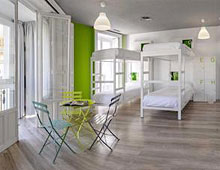 Budget accommodations
 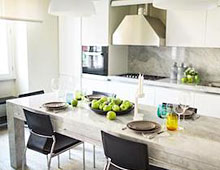 Apartments
  Family Hotel
 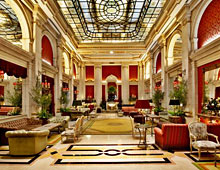 Luxury Hotel
 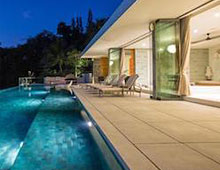 Resorts