Crete
A land of myths and legends, the cradle of several important ancient civilisations, an island with unique beaches and natural landscapes, Crete is the ideal destination for an unforgettable holiday. The island is repository of a historical, archaeological and architectural heritage that is unique in the world, combined with breathtaking natural beauty. From the Gorges of Samaria to the famous lagoon of Balos via the famous archaeological sites of Knossos, Phaistos and Malia, the island of Crete presents itself as the ideal destination for a holiday of relaxation, nature and history.
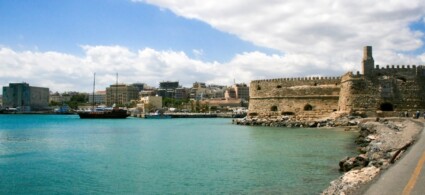
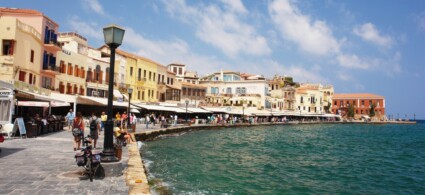
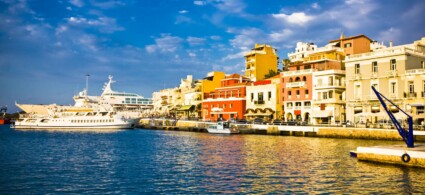
The western part of the island is the most touristic and also the best equipped, while in the south and east you can still relax on quiet free beaches and admire glimpses of everyday life in small villages. Many towns, such as Chania and Heraklion, present themselves as dynamic and multicultural where you can admire the historical and architectural heritage left by the Venetians alongside that left by Turkish rule.
Don’t miss a visit to some of the island’s most important monasteries, such as the Arkadi Monastery and the Toplou Monastery, places that have written important pages of Crete’s history because they were the refuge of part of the population that rebelled against Turkish rule.
With beaches where famous DJs play live music and towns with a very active nightlife, the island of Crete is also an ideal destination for all those who want to spend a fun-filled holiday. Locations such as Malia and Hersonissos are ideal if you love beach parties and clubs that are open late into the night.
Characterised by a Mediterranean climate with warm, sunny summers and mild winters, the island of Crete is an ideal holiday destination from April until November. Bear in mind that in October and November the days are still sunny and warm and, along the southern coast of the island, swimming is still possible.
The central summer months of July and August enjoy excellent warm and sunny weather that makes Crete a popular destination for tourists from all over the world. For this reason, if you want to plan your trip in summer, we recommend that you do so in advance. The spring season (May – June) and autumn are good times to visit Crete as the weather is still good but there are fewer tourists and the prices of flights and accommodation are lower
Crete weather and climate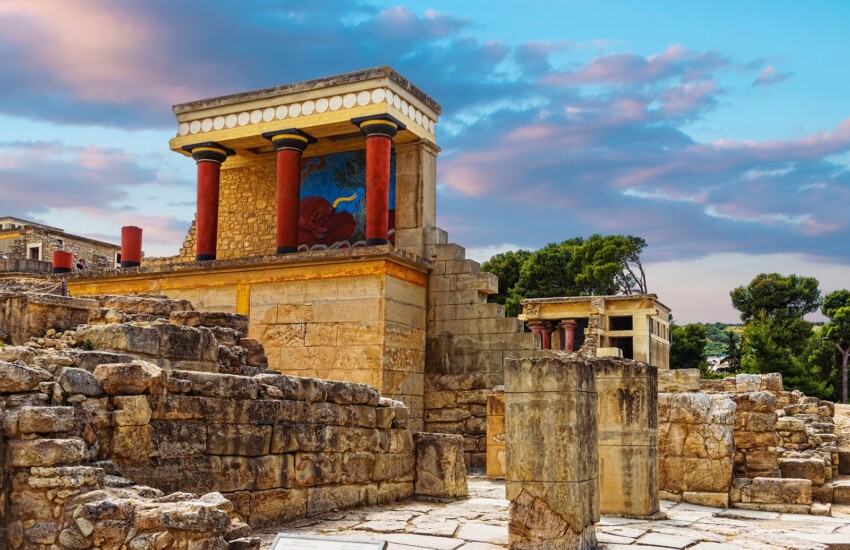
The island of Crete is a destination that has a lot to offer, not only for its beautiful beaches but also for its many attractions, such as museums, monasteries and archaeological sites. A stay in Crete is a perfect trip that combines various interests: from relaxing on the beach to trekking in the gorges, from visiting archaeological sites to walking in small towns.
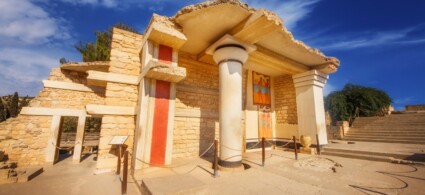
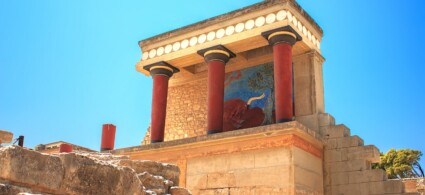
The Palace of Knossos, together with the Archaeological Museum of Heraklion, are two stops not to be missed during a trip to Crete. Knossos is located a few kilometres from the old town of Heraklion and visiting it will be like stepping back in time. Incredible to think how thousands of years ago they could have built such an impressive and fascinating complex.
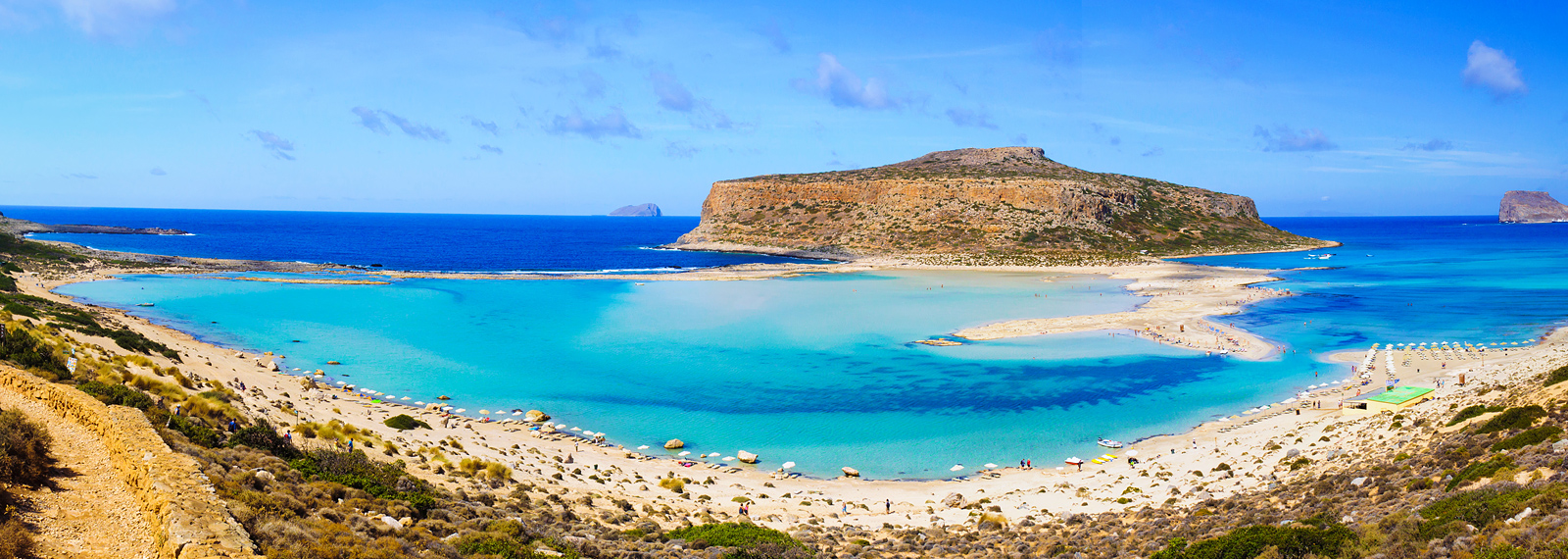
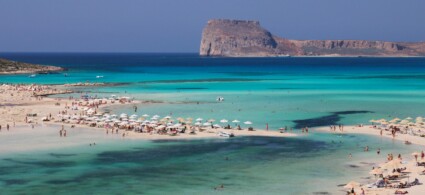
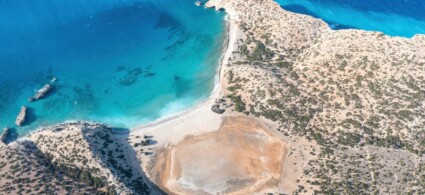
The Balos Lagoon is a protected area in the westernmost part of the island of Crete and is one of the most beautiful beaches on the island. It can be reached either by boat or by car by crossing the Gramvousa nature reserve and then having to walk a final stretch.
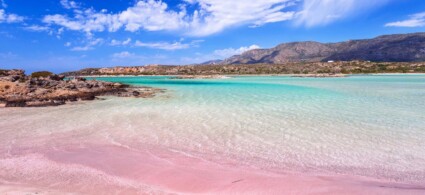
Balos has golden sand mixed with the pink of shells and corals that have been washed ashore by the waters over the millennia and have given the sand this colour. The sea has crystal clear waters with shallow waters, but to enjoy this beach in peace and quiet it is best to go early in the morning before the tourists arrive.
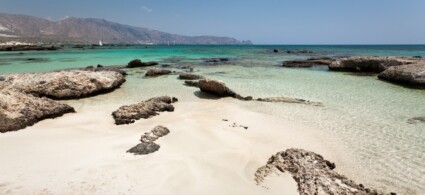
Along with Balos, one of the most beautiful beaches on Crete, Elafonissi, nicknamed the Caribbean of the Mediterranean, is characterised by fine sand and clear, warm waters. Just in front of the main beach is the small island of Elafonissi, where one can find free beaches and small bays where one can sunbathe in tranquillity.
If you love trekking and nature, you cannot miss this beautiful route to the Samaria Gorge, which is located within the National Park. About 16 km long, the route starts from the town of Omalos and goes all the way to the beach of Agia Roumeli on the Libyan Sea. The route first passes through a lush forest and then continues inside the gorge proper, where it also crosses points that are just 3 metres ‘wide’.
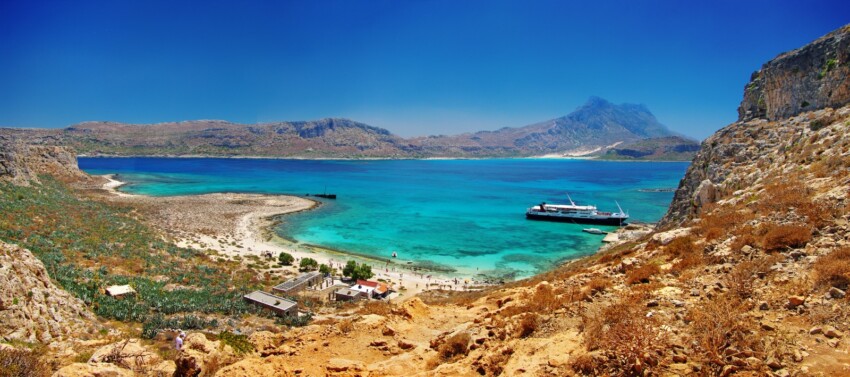
Washed by the Mediterranean Sea to the north and the Libyan Sea to the south, the island of Crete has beautiful sandy shores, where heavenly bays and tourist towns are hidden, alternating with small villages that still live according to old traditions. The most famous bathing areas are the so-called pink beaches, Elafonissi and Balos, two corners of paradise located in the westernmost part of the island and characterised by golden sand with pink hues and a sea with warm, clear waters.
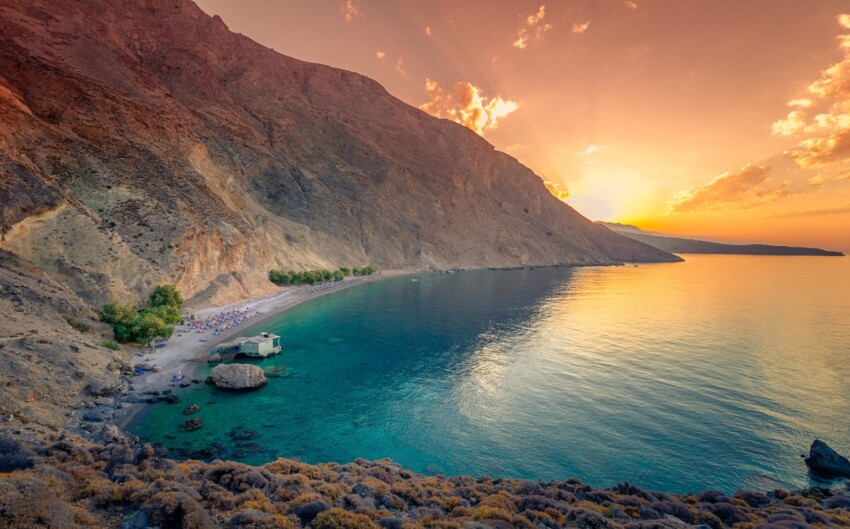
Not only fine sandy beaches, the island also has areas with pebbles such as Glyka Nera, a beach on the south coast of the island characterised by the presence of fresh, drinkable water coming from an underground spring and flowing through the pebbles of the beach.
Other beaches not to be missed in Crete are:
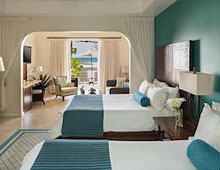
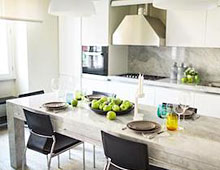
Crete can offer a wide selection of accommodation, from luxury hotels to studios (small studios with a bathroom and kitchenette), from flats with a private swimming pool to small bed breakfasts. The advice is to book your accommodation in advance in order to secure an affordable rate. The island can really please everyone: from beach party lovers to those seeking relaxation, from couples on a romantic getaway to families with children.
The city of Malia proves to be a favourite destination for those who want a holiday of beach parties and DJs playing live music until late at night, while Elounda is a favourite for those seeking a stay of luxury and relaxation.
The Hersonissos area, on the other hand, is close to Star Beach, a large water park, the Aquarium and other family and youth-friendly attractions. Chania and Kissamos are two towns that, due to their location, are often used as ‘bases’ to visit the island’s most famous beaches, such as Elafonissi and Balos.
The island of Crete is the largest of the Greek islands and is rich in heavenly beaches, archaeological sites, monasteries and many other natural beauties that should not be missed during a trip. Therefore, the best way to get around the island of Crete is definitely to rent a car upon arrival at the airport.
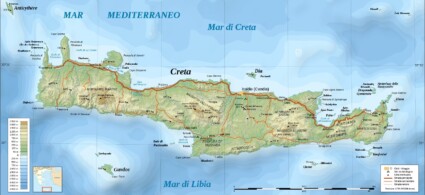
Keep in mind that not only is the island very large, but that to reach certain towns you will need to follow winding routes with bends and mountain roads. Especially in the southern part of the island, it is not certain that two places that seem quite close together on the map are then well connected.
Travelling within the island, therefore, can also take quite some time, so having a rental car will allow you to plan it best according to your needs. If you arrive in Crete by plane, in Heraklion or Chania, you can pick up your rental car directly at the airport, but we recommend that you book it in advance.
Special on Crete
Due to the high interest in Crete, we wanted to dedicate an entire website to it, delving into every aspect of the island. So visit our website Crete.info, the most comprehensive online guide to Crete.
Located about 95 km from mainland Greece, the island of Crete lies between the Aegean and the Mediterranean Sea.





 Hotel
Hotel 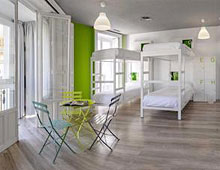 Budget accommodations
  Apartments
  Family Hotel
 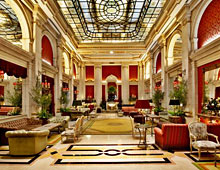 Luxury Hotel
 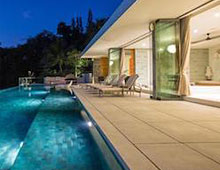 Resorts