Consolas Gavdos Studios
Gavdos - Sarakinito
Situated in Gavdos, Consolas Gavdos Studios features accommodation with air conditioning and access to a garden.
Book now
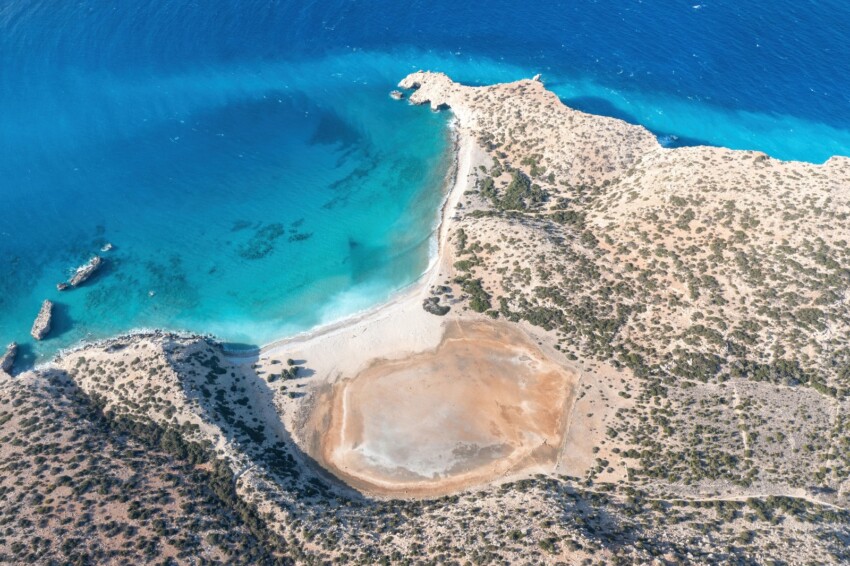
Gavdos is an enchanting island located about 50 km south of Crete, in the heart of the Libyan Sea, and represents the southernmost point not only of Greece, but of the whole of Europe. This small paradise of only 30 km² offers a unique experience to travellers in search of unspoilt nature, slow rhythms and authentic atmospheres, far from the mass tourism that characterises other Greek islands. With its wild landscapes dominated by centuries-old cedars, golden sand dunes and crystal-clear turquoise waters, Gavdos is an ideal destination for those who wish to disconnect from the daily hustle and bustle and rediscover the pleasure of a simple life in close contact with nature.
The thousand-year history of the island is intertwined with myths and legends: according to some, Gavdos is the Homeric Ogygia where the nymph Calypso held Ulysses for seven years, while archaeological studies have confirmed human presence since Neolithic times, with important settlements during the Minoan, Roman and Byzantine periods.
Today Gavdos has less than 100 permanent inhabitants, mainly concentrated in the small villages of Kastri and Vatsiana, which during the summer welcome visitors seeking an authentic and unconventional experience. The island can only be reached by sea, with regular ferries from Paleochora, Sfakia and Chora Sfakion on Crete’s south coast, and this relative difficulty of access has helped to preserve its natural environment and unique, unspoilt character.
Gavdos is famous for its extraordinary beaches, considered some of the most beautiful and wildest in Greece. Characterised by fine golden sand, crystal-clear waters and often framed by majestic cedar trees that reach almost to the shore, the beaches of Gavdos offer a unique bathing experience in a natural setting of rare beauty.
Sarakiniko Beach is probably the most famous and popular beach on the island, located on the north-eastern coast. This wide expanse of fine white sand is characterised by crystal-clear waters of a thousand shades of blue and turquoise, gently sloping down to create sandy seabeds ideal for safe swimming. The uniqueness of Sarakiniko lies in the presence of a dense cedar forest that reaches almost to the beach, providing areas of natural shade that are particularly appreciated on hot summer days.
The beach is partially equipped with a small kiosk that offers refreshments and essential snacks, but still maintains a relaxed and natural atmosphere. A few simple accommodation facilities, such as rooms for rent and an informal campsite among the cedar trees, can be found in the surroundings, making Sarakiniko the most ‘developed’ area of the island, while remaining light years away from the conventional concept of a tourist resort.
A short distance from Sarakiniko, on the northern coast of the island, is the beautiful beach of Agios Ioannis, also known as Potamos. This long stretch of golden sand is characterised by an idyllic landscape where ancient cedar trees create a striking colour contrast with the deep blue sea.
The beach is famous for the huge wooden chair about 3 metres high, installed on the dune above the beach, which has become the symbol of the island and an unmissable vantage point: sitting here, one has the feeling of literally being ‘on the edge of Europe’, with nothing on the horizon but the vast Libyan Sea separating Greece from Africa. Agios Ioannis is predominantly unorganised, with the exception of a small beach bar that offers essential services during the summer, thus preserving its natural beauty. The beach is particularly popular with lovers of naturism, a practice that is widespread and tolerated in many areas of the island.
On the north-western coast of Gavdos is the quiet beach of Korfos, a sheltered bay with exceptionally calm and transparent waters. This beach of light-coloured sand mixed with small pebbles is less crowded than Sarakiniko and Agios Ioannis, offering greater tranquillity even in the summer months. The sea here is particularly clear, with a gradually sloping seabed, ideal for snorkelling along the small rock formations that border the bay.
The beach is completely unequipped and immersed in an unspoilt natural environment, so it is advisable to bring everything you need, including drinking water and sunscreen. Access requires a walk of about 20 minutes along a path through the Mediterranean maquis, helping to keep this corner of paradise relatively quiet.
At the southern end of the island, at what is the southernmost point in the whole of Europe, lies the remote and picturesque Tripiti Beach. The name comes from the characteristic perforated rock formations (‘tripiti’ means ‘hole’ in Greek) that can be admired along the coast. This small beach of golden sand nestled between limestone cliffs offers an almost mystical experience, with the feeling of truly being at the end of the continent.
To celebrate this geographical peculiarity, a large metal sculpture in the shape of a chair, similar to that of Agios Ioannis, has been installed on the cliff above the beach, representing another of the island’s iconic symbols. Reaching Tripiti requires a walk of about an hour from the village of Vatsiana along a scenic path, but the effort is amply repaid by the wild beauty of the place and the breathtaking view of the open sea. The beach is completely undeveloped and uncrowded, offering an experience of isolation and connection with nature that is hard to find elsewhere in Europe.
On the east coast of the island is Pyrgos Beach, a strip of fine, pale sand bathed by turquoise waters and protected by small cliffs that create natural pools ideal for swimming. Less known and frequented than the island’s other beaches, Pyrgos offers a particularly quiet and relaxing atmosphere.
The surrounding vegetation, dominated by the characteristic cedar trees of Gavdos, reaches almost to the shore, offering areas of natural shade. The beach is completely devoid of any tourist facilities, so here, too, it is necessary to bring everything you need for the day. Access is via a path that starts near the village of Kastri, passing through a beautiful Mediterranean landscape characterised by fragrant maquis and centuries-old cedars.
Gavdos is an island that invites slow discovery, direct contact with nature and immersion in an atmosphere that seems suspended in time. Unlike other tourist destinations, here you will not find imposing monuments or artificial attractions, but an authentic natural and cultural heritage that reveals itself to those willing to explore with respect and curiosity.
The hiking trails that criss-cross the island are one of the best ways to discover its beauty. The network of trails, although not always well signposted, leads to remote beaches, small villages and breathtaking viewpoints. Particularly impressive is the path that leads from the port of Karave to Sarakiniko, through a landscape of cedar trees and Mediterranean scrub, or the one that leads to the beach of Tripiti, the southernmost point of Europe, where a large chair-sculpture symbolises the ‘border’ of the continent.
The Gavdos lighthouse, located in Vatsiana, is one of the few historic buildings on the island that can be visited. Built at the end of the 19th century and recently restored, it offers a spectacular view of the Libyan Sea and, on particularly clear days, one can even glimpse the African coastline on the horizon. Near the lighthouse, the remains of an ancient settlement and a small Byzantine church can be seen, evidence of the long human history on the island.
For archaeology enthusiasts, Gavdos offers some interesting sites, although not always easily accessible or well preserved. Excavations in the Sarakiniko area have uncovered remains of a settlement from the Roman-Byzantine period, while artefacts from the Minoan period have been found near Vatsiana. The small Archaeological and Folklore Museum in the village of Kastri, occasionally open during the summer season, exhibits a number of artefacts that tell the island’s multi-millennial history.
Local life in Gavdos follows slow rhythms and ancient traditions that can be observed in the island’s small villages. Kastri, the main centre, is little more than a group of houses with a tavern, a minimarket and the only post office on the island. Vatsiana, located in the southern part, is even smaller but offers an authentic glimpse into traditional rural life. Here you can sample simple but tasty Greek dishes prepared with local products, such as goat cheese, honey, herbs and fresh fish.
An unmissable experience in Gavdos is watching the sunset from the beach of Agios Ioannis or from the large chair overlooking the beach. The sun dipping into the Libyan Sea, tinging the sky and water with reddish and golden hues, creates a natural spectacle of rare beauty that perfectly embodies the mystical and relaxed essence of this island on the edge of Europe.
Accommodation options in Gavdos are limited and simple, in keeping with the unspoilt and undeveloped character of the island. Don’t expect luxury resorts or large hotel facilities; the offer here consists mainly of rented rooms, small family-run guesthouses and often informal camping areas. This simplicity is an integral part of the authentic experience that Gavdos offers its visitors.
Sarakiniko is the most developed area in terms of tourism, offering the greatest number of accommodation options. Here you will find several establishments that rent simple but comfortable rooms and flats, often nestled in the cedar forest or overlooking the sea. The proximity to the beach and the presence of a few taverns and mini-markets make this area particularly practical, especially for first-time visitors. Facilities are generally only open during the summer season (May to September) and advance booking is highly recommended, given the limited number of beds available on the island.
The Karabe area, where the main harbour is located, offers some basic accommodation, which is advantageous for those wishing to minimise travel with luggage on arrival and departure. Facilities here tend to be small family guesthouses offering the essentials for a comfortable stay.
In the villages of Kastri and Vatsiana, it is possible to find some rooms for rent in the homes of locals, offering a more immersive experience in the daily life of the island. These accommodations are generally very simple but allow you to live in close contact with the inhabitants of Gavdos and their traditions.
For all accommodation on the island, it is important to bear in mind some common characteristics: electricity may be intermittent, fresh water is a precious and often rationed resource, and internet connections may be limited or absent. These what might seem like limitations are actually part of the unique experience of disconnection and return to a more essential lifestyle that Gavdos offers its visitors.
If you prefer space, privacy and the ability to prepare your own meals to a hotel holiday, book a holiday home at Gavdos. We recommend a few below, but in this case we advise you to book early because houses and apartments for rent at Gavdos are in high demand.
The island can only be reached by sea, with ferry services departing from ports on the south coast of Crete: mainly from Paleochora (journey of about 2 hours), Chora Sfakion and Agia Roumeli (journey of about 3-4 hours). Connections are not daily and can vary significantly depending on the season and weather conditions, with more frequent services during the summer and reductions or possible cancellations during the winter months and in case of rough seas. The nearest airport is Chania airport in Crete, located approximately 70 km from the port of Paleochora.
Gavdos is located in the Libyan Sea, approximately 50 km south of the southern coast of Crete and 258 km from the North African coast. The island, which administratively belongs to the prefecture of Chania, represents the southernmost point not only of Greece but of the entire European continent.
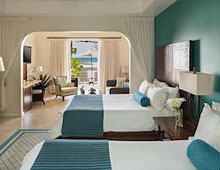 Hotel
Hotel 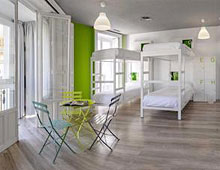 Budget accommodations
 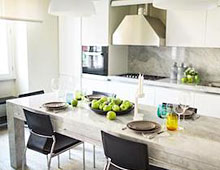 Apartments
  Family Hotel
 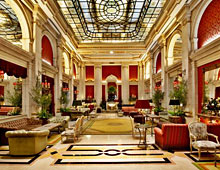 Luxury Hotel
  Resorts