Santorini
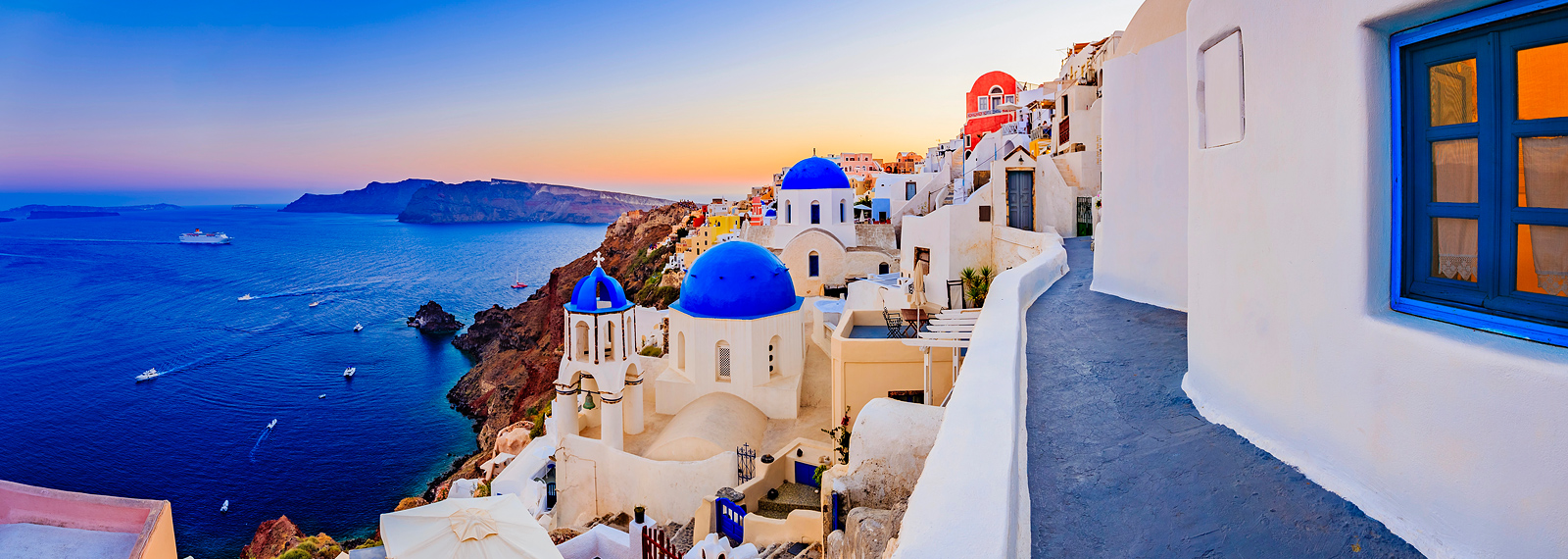
Halfway between Athens and Crete lies Santorini, the Greek island par excellence: it is Greece as we imagine and dream it, picture-postcard Greece, the country’s tourist jewel.
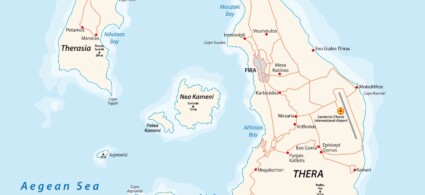
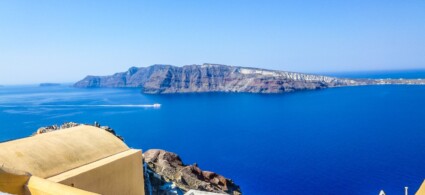
Its curious shape, with the caldera in the centre of the island, is the result of a volcanic eruption 10,000 years ago that had immediate disastrous consequences, with the sinking of a large part of the island, but has become the reason for Santorini’s tourist success.
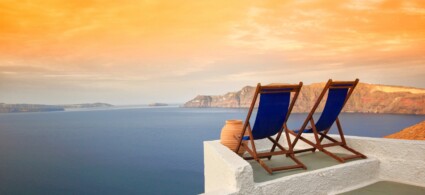
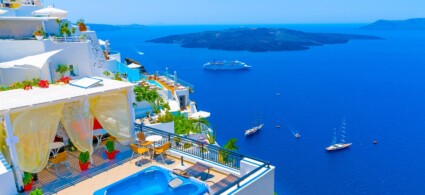
The breathtaking views of the caldera, the extraordinary colours of the rock formations and the spectacular sunsets that are considered the most romantic of all Greek islands attract 1.5 million tourists to the southernmost of the Cyclades every year.
Despite the crowds and the high prices of its chic hotels, Santorini remains an ideal destination for a dream holiday.
Compared to other Greek islands, Santorini is quite an expensive destination, so it is a good idea to plan your holiday in advance.
From mid-June to the end of August, hotel prices soar. This is the peak tourist season and it is imperative to book well in advance.
If you can choose when to go on holiday, the best times to visit Santorini are spring, from April to early June, and early autumn. Consider that in September and early October the temperatures are still good and swimming in the sea is almost guaranteed.
In winter everything quiets down: very few tourists, hotel prices at a minimum. Of course, it won’t be warm enough for a dip in the sea, but the panoramic views of the caldera, the spectacular sunsets and the delicious dinners in the typical taverns are still there for you to enjoy.
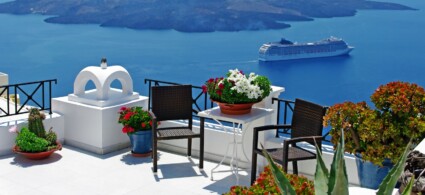
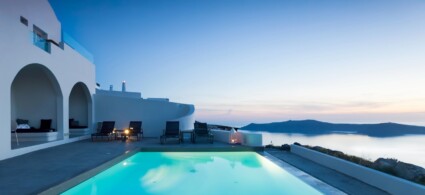
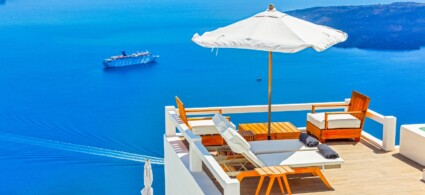
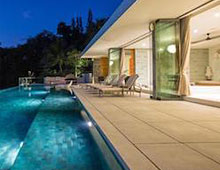
The most picturesque area of Santorini, where everyone wants to stay, is of course the ridge of the caldera, from where you can enjoy breathtaking views and the best sunsets. This is where Santorini’s tourist industry is concentrated: you will find the widest choice of hotels, resorts and rooms, but also the highest prices. If your budget allows, book a room with a swimming pool and a view of the caldera: a truly unique and unrepeatable experience!
If you want to spend a little less, you have to move away from the caldera and be content, so to speak, to enjoy the wonderful views of the area during a day trip.
If you’re looking for accommodation but still don’t know where to book it, we’ve selected the best accommodation in Santorini for you, divided by area, discover them in the section Where to stay in Santorini.
Alternatively, use the search form below to check in real time all available accommodation in Santorini for your dates.
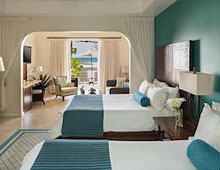
We offer a selection of hotels at Santorini to suit all categories of travellers. The most booked by tourists are the sea-facing hotels, often right on the beach. If you want to play it safe, choose one of the following: they are among the most booked hotels in Santorini, sorted by number of reviews.
If you prefer space, privacy and the ability to prepare your own meals to a hotel holiday, book a holiday home at Santorini. We recommend a few below, but in this case we advise you to book early because houses and apartments for rent at Santorini are in high demand.
While Santorini’ s unique volcanic landscape is the island’s main tourist attraction, it must be said that there is no shortage of interesting historical and cultural attractions.
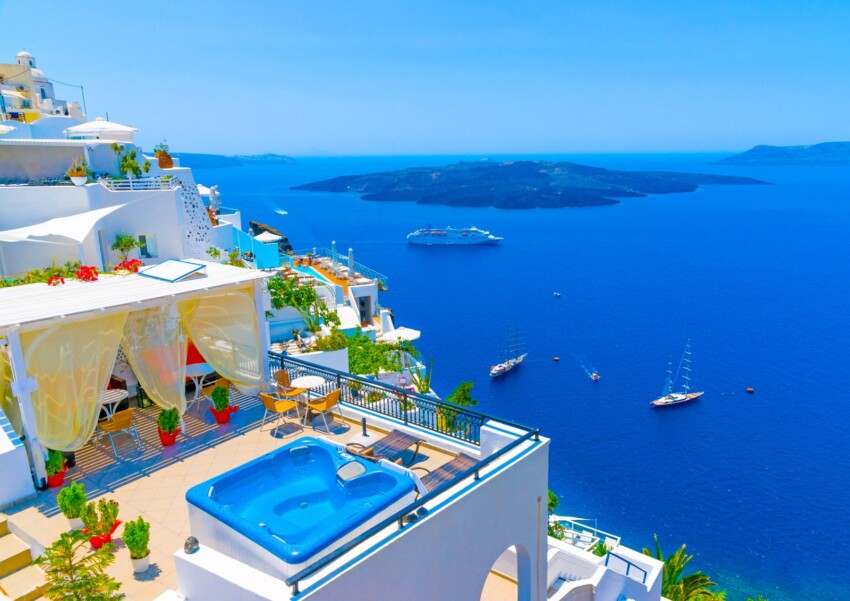
Fira, the capital of Santorini, is the nerve centre of tourism on the island: a jumble of branded shops and kitsch souvenirs, traditional taverns and rowdy beer gardens, an impressive number of bars, restaurants and tourist agencies offering tours and excursions.
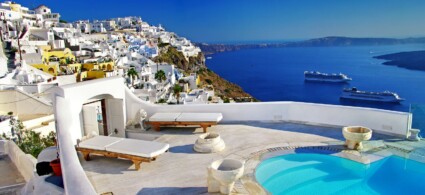
Why does Fira continue to attract droves of visitors despite this chaos? Because it is simply splendid: the cascade of white houses overlooking the caldera and the spectacular colours of the rock formations at sunset are incredible sights that leave visitors speechless with wonder.
The beauty of Fira comes at a price: don’t expect to find cheap accommodation here.
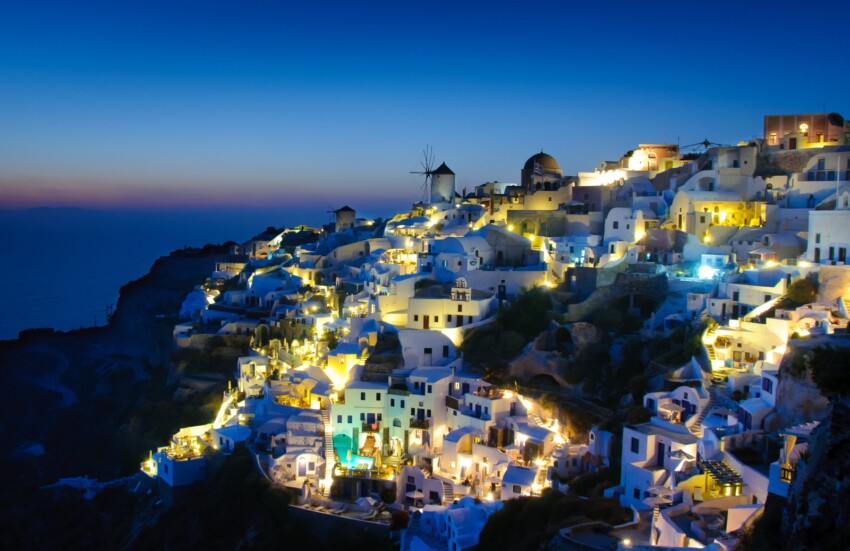
Refined Oia is the chic resort of Santorini, where designer hotels, exclusive resorts and luxurious villas with swimming pools worthy of a Hollywood star abound.
It is hard to imagine that only some sixty years ago there was nothing of this abundance of luxurious accommodation: the traditional village, already underwhelming compared to today’s tourist megastar, had in fact been completely devastated by a terrible earthquake.
Reconstruction brought more lustre to Oia, which today is undoubtedly one of the most charming Cycladic villages.
Despite the high hotel prices, many tourists choose it as a base for their island holiday to admire the full beauty of this beautiful town that stretches along the steep slopes of the caldera; others choose it because they want to experience the thrill of sleeping in a room carved out of a niche in the volcanic rock.
In addition to the tourists staying in Oia, there are day trippers, including those coming off cruise ships for a hit-and-run visit.
Staying in Oia allows you to visit the town early in the morning, before the crowds of tourists arrive. The price, you already know, will not be cheap.
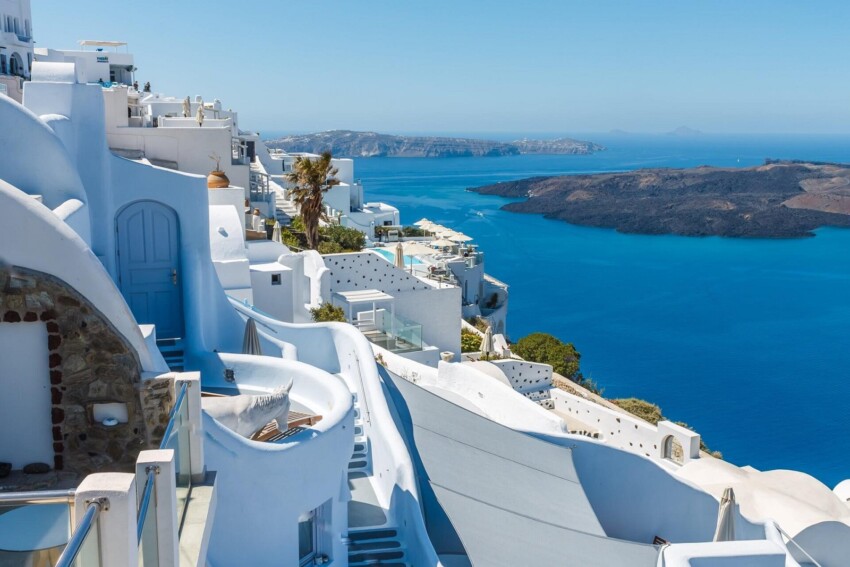
Abandon the front-row views and move a little further into the villages of Firostefani and Imerovigli to find a good choice of mid-range hotels and lodges. You won’t be in the centre of the action, but you’ll still get breathtaking views of the caldera and you’ll have a little extra left in your wallet.
A 15-minute walk from Firostefani and a half-hour walk from Imerovigli (highest point of the caldera ridge) will take you to the capital and its multitude of bars and clubs.
If you have read this far and are despairing at the thought that a holiday in Santorini is beyond your reach, we have good news for you.
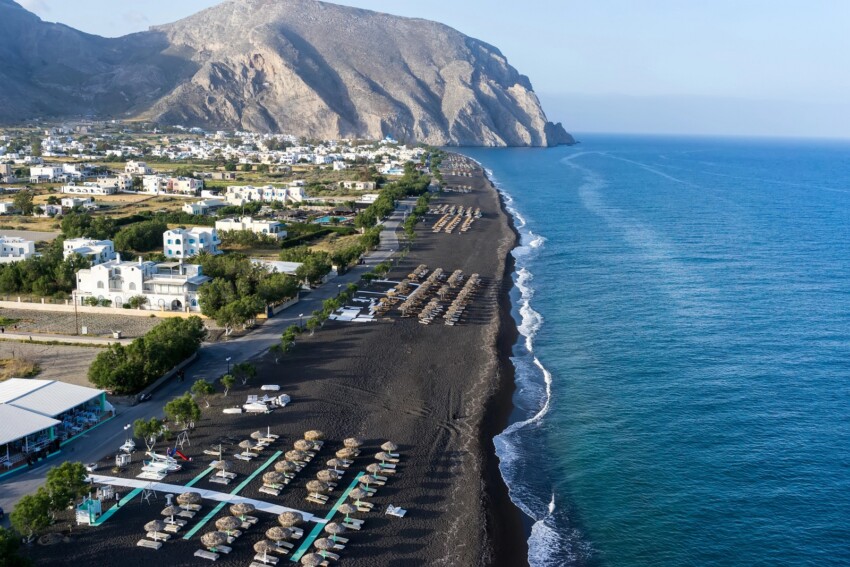
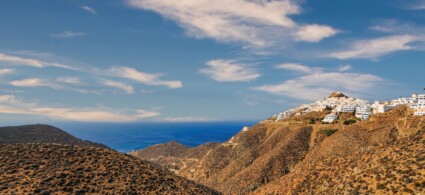
In the villages of Perissa and Kamari you can find cheaper accommodation, including a hostel and a campsite. They are less touristy locations, and therefore the hotels offer lower prices.
They are also suitable for those who don’t like to be in the hustle and bustle, but if you want an occasional crowd-pleaser, you can take the local bus to Fira.
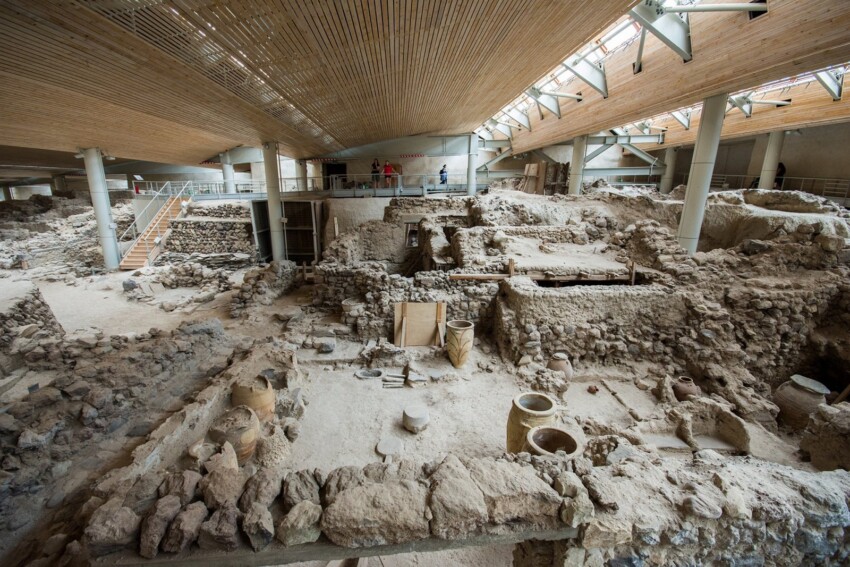
Akrotiri is one of the most important archaeological sites in the Aegean and is a mandatory stop on any holiday to Santorini.
The phenomenal discovery of the ancient Minoan city buried under the ashes of the volcano after a tremendous eruption took place in 1967 and excavations continue to this day.
The ruins open to the public are protected by a structure of concrete, wood and steel, an exceptional feat of ingenuity that allows visitors to wander around the ancient city fully immersing themselves in the atmosphere of classical Greece.
Less stunning but not without charm is the archaeological site of Thira, where you can walk among Hellenistic, Byzantine and Roman ruins.
A boat or catamaran excursion between the islands of the caldera is a must during a stay in Santorini. A unique experience, you can bathe in the hot springs of Palea Kameni, swim in the waters of the islet of Thirasia or even reach the two beaches Red and White Beach in the south of the island.
Curiously, the most famous Greek island does not owe its fame to its beaches. This does not mean, of course, that you will not find beautiful beaches on the island of Santorini.
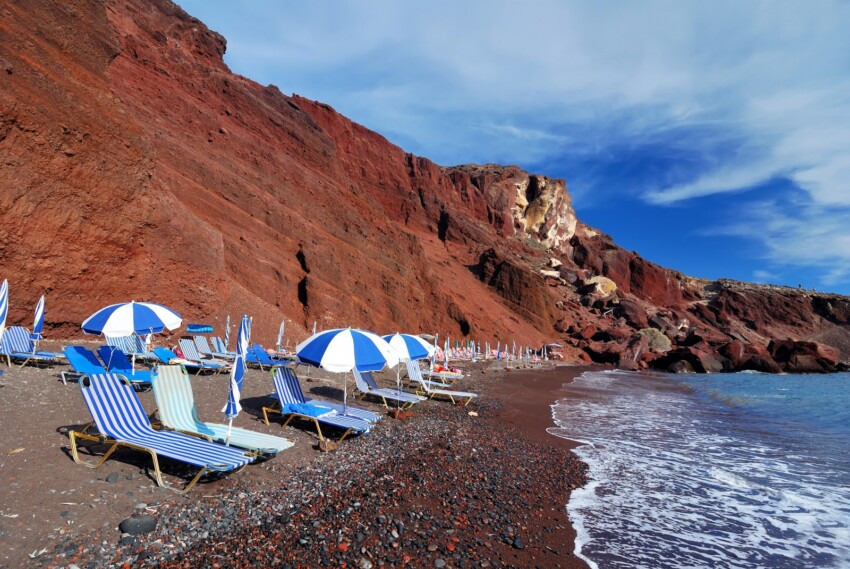
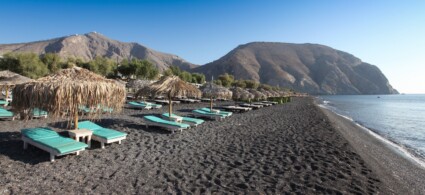
The island’s beaches reflect its volcanic origin and are therefore mostly black sand beaches. But once again, Santorini amazes everyone and its most famous beach is Red Beach, an expanse of reddish sand bordered by imposing cliffs, also reddish in colour.
Red Beach is an equipped beach, but as it is quite small and very popular you will have to arrive early to grab an umbrella.
Other beaches not to be missed in Santorini include:
Find out more about Santorini’s most beautiful beaches
Santorini is one of the best-connected Greek islands, easily accessible either by plane or ferry, depending on your preferences and the time of year.
Santorini International Airport (JTR) is located near Kamari, in the eastern part of the island, about 6 km from Fira. During the high season (April-October), many airlines offer direct flights from major European cities, while in the winter months connections are significantly reduced, with only flights to/from Athens.
Seasonal direct flights are available from many European cities. Alternatively, it is always possible to make a stopover in Athens, with frequent domestic flights (approx. 45 minutes flight time) operated throughout the year.
Once landed, you can reach your destination by taxi, public buses connecting the airport to the main locations, or private transfer services that can be booked in advance. Renting a car directly at the airport is a convenient option if you intend to explore the island on your own.
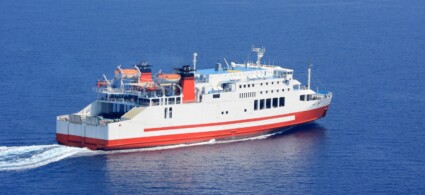
Reaching Santorini by sea offers the thrill of arriving directly in the spectacular caldera. The main port (Athinios) welcomes ferries from Athens (Piraeus and Rafina ports) and the other islands of the Cyclades.
From Athens, highspeed ferries take about 5-6 hours, while conventional ferries take 7-9 hours but offer cheaper fares. Santorini is also well connected with the other Cyclades islands such as Mykonos, Paros, Naxos and Ios, making it easy to include more destinations in an itinerary. There are also less frequent connections with the Dodecanese islands and Crete.
The name Santorini is a corruption of Sant’Erini, a name that was given to the island by the Venetians to honour St Irene, an early Christian martyr to whom the basilica of Perissa, in the south-eastern part of the island, was dedicated.
In ancient Greek, Santorini was called Thera, while the modern official name is Thira, which also includes the islets around the main island.


 Hotel
Hotel  Budget accommodations
  Apartments
  Family Hotel
  Luxury Hotel
  Resorts