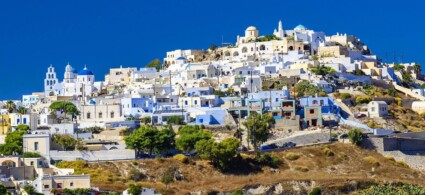
Akrotiri is located in the south-western part of Santorini 9 km from the capital Fira and is famous for its red beach, archaeological site and sunsets.
The village of Akrotiri lies at the south-western tip of Santorini, 9 kilometres from the island’s capital Fira.
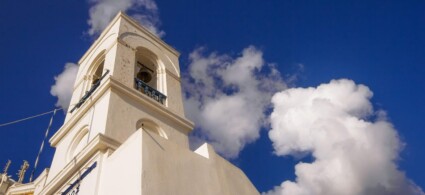
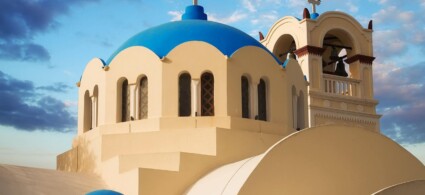
The village has an enchanting church with vaulted apses and a small bell tower as well as the most important archaeological site on the island, believed by some to be part of the lost continent of Atlantis, stretching just beyond the village in the direction of the beaches, and the famous red beach.
This calm and pleasant village is ideal for strolling and is overlooked by an ancient fortress devastated by the 1956 earthquake.
The view from Akrotiri is magnificent: from the top of the village you can see the caldera of the volcano, the vineyards that stretch for kilometres along the ridges of the island and most of Santorini. Akrotiri is one of the best spots on the island to admire the fascinating sunsets that have made Santorini world famous.
Akrotíri is served in July-August by several buses both day and night from Fira, with frequencies ranging from half an hour to an hour. In the low season there is a run every hour from 9am to 8.30pm. There are also frequent connections with Perissa.
From the centre of the village a paved road leads to Akrotiri Lighthouse1. Before the village head right, then continue uphill, uphill and then uphill again. The splendid view overlooking the volcanoes is a real revelation and undoubtedly one of the most beautiful corners of Greece! You can breathe in absolute tranquillity and, strangely enough, even the winds seem to turn away.
Caldera Beach is located just below the village. Accessible via a flight of steps at the entrance to the village and found on the way to the lighthouse, the beach offers visitors a sensational view of the caldera and the two small islands of Palia Kameni and Nea Kameni.
Caldera Beach is a quiet pebble beach, disorganised but with a convenient car park right above it.
Probably the most famous beach on Santorini and undoubtedly one of the most famous beaches in Greece, Kokkini Paralia is known by everyone as Red Beach because of the red rock cliffs that surround it. The beach, made of red volcanic sand, can be reached by a 10-minute walk from the nearest car park. The impervious path is very impressive and will allow you to admire the beach from above.
Just a little to the west of Red Beach you can find Lefki Paralia. Also known as White Beach, it is surrounded by white rocky cliffs, which give it this name; the pebble beach is actually not as white as the name would suggest but is quite dark, on the grey side.
It can be reached almost exclusively by boat, either from Red Beach or from the port of Akrotiri. Although it is difficult to reach, there is a small taverna and umbrellas for hire on the beach.
Between the two famous Red and White Beaches you can find Kambia Beach, certainly not as picturesque as the previous ones, but it can be reached by car after a couple of kilometres on a dirt road. On the beach there is a family-run lido and a small traditional taverna.
In the direction of the lighthouse from Akrotiri, one crosses a dirt road that proceeds to the beach of Mesa Pigadia. Because of the distance from the asphalt road, it becomes a bit of a grind on two wheels, but at the end there is a nice little sheltered beach. Another more solitary and clean beach can be found by proceeding 300 metres to the left.
The archaeological site of Akrotiri
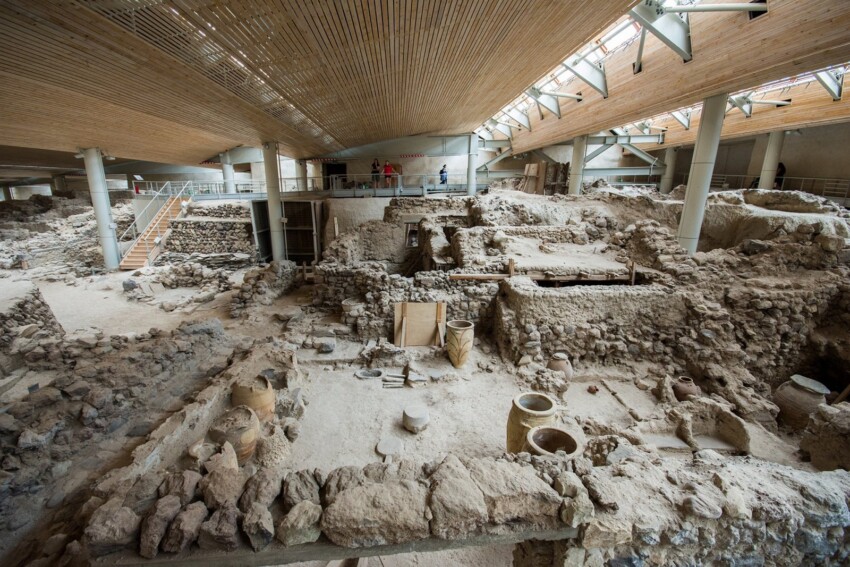
Open daily from 8.30 a.m. to 3 p.m., closed on Mondays, but it is advisable to enquire beforehand as opening hours are not always respected, Akrotiri Archaeological Site7 is one of the most important prehistoric settlements not only on the island but in the Aegean. The ticket also includes a visit to the Prehistoric Museum of Fira.
Akrotiri was discovered thanks to the tenacity of Professor Spyridōn Marinatos, who, after excavation campaigns in various parts of Greece – Crete, Mycenae, Pylos to name but a few – came to the island of Santorini in 1962 under the auspices of the Archaeological Society of Athens. It is estimated that the 40 buildings found represent only one-thirtieth of the site’s extent.
From 1967 to 1974, Marinatos made extraordinary discoveries: as at Pompeii, the avalanche of volcanic ash that buried the city under a thickness of 40-50 metres following the eruption in the last quarter of the 17th century B.C. had the effect, if nothing else, of preserving the ruins from the ravages of time and weather. Among the ruins, which cover a total area of no less than 12,000 square metres, a number of warehouses containing terracotta vases with traces of olive oil, fish and onions have also been found.
What remains of the site can be admired at the Prehistoric Museum of Fira and in Athens. Undoubtedly the most famous piece depicts the Fisherman, which appears reproduced on virtually all Santorini wine bottles.
The oldest identified habitation dates back to Neolithic times, the 4th millennium B.C., but traces of an early Bronze Age settlement gradually developed into one of the main urban centres and ports of the Aegean have also emerged from the site.
Impressive is the elaborate drainage system brought to light, the sophisticated multi-storey buildings with magnificent frescoes, the furniture and vessels all testifying to the great development of the society.
It must be said that much has yet to come to light: 25 years ago, Marinatos’ successor, Professor Doumas, stated that it would take 100 years to bring it all to light! A word of advice to those interested: go to the archaeological site of Akrotiri after visiting the Prehistoric Museum of Fira.
In the following map you can see the location of the main places of interest mentioned in this article.
Where to stay in Akrotiri
Akrotiri’s hotel offerings are varied, ranging from splendid hotels with caldera views to comfortable flats, preferred by those seeking a more self-catering holiday. As with the rest of the island, book in good time: the Akrotiri area is also very busy during the high season, thanks to its proximity to some of Santorini’s most fascinating beaches.
We offer best rates If you find it cheaper we refund the price difference.
Free cancellation Most properties allow cancellation without penalty.
We're available 24 hours a day For any problem call Booking.com.
Recommended hotels in Akrotiri
We offer a selection of hotels at Akrotiri to suit all categories of travellers. The most booked by tourists are the sea-facing hotels, often right on the beach. If you want to play it safe, choose one of the following: they are among the most booked hotels in Akrotiri, sorted by number of reviews.
If you prefer space, privacy and the ability to prepare your own meals to a hotel holiday, book a holiday home at Akrotiri. We recommend a few below, but in this case we advise you to book early because houses and apartments for rent at Akrotiri are in high demand.
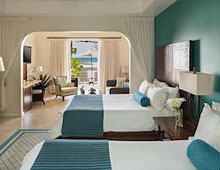 Hotel
Hotel 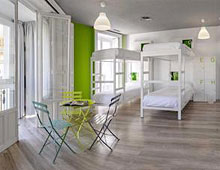 Budget accommodations
 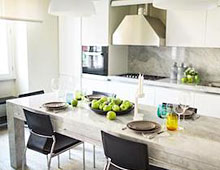 Apartments
  Family Hotel
 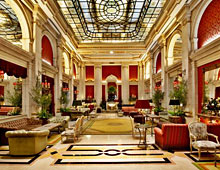 Luxury Hotel
  Resorts