Porto Sikinos Hotel
Alopronia - Alopronia
Facing the beachfront, Porto Sikinos Hotel offers 2-star accommodation in Alopronia and features a garden, terrace and restaurant.
Book now
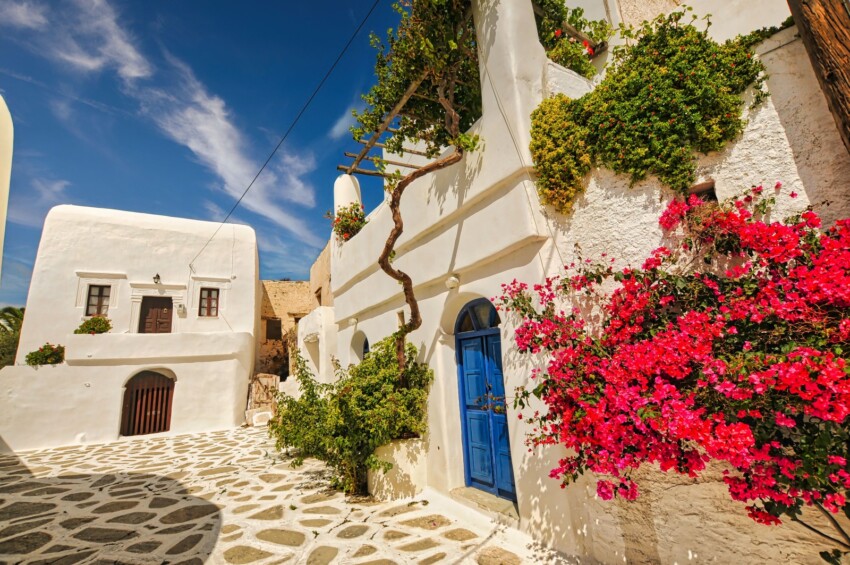
Between the islands of Ios and Folegandros, in the southern Cyclades archipelago, hides a small jewel that seems to have been left behind: Sikinos. With a surface area of 42 square kilometres and just 260 inhabitants, this island represents the most authentic essence of traditional Greece, far from the mass tourism that characterises the most famous Aegean destinations.
Sikinos is for the naysayers, those who immediately dismiss the island if it is too famous. Here you won’t find the crowds of Mykonos or the glamour of Santorini, but you will discover an almost metaphysical atmosphere where time flows with the rhythm of the seasons and Greek traditions still live on in their purest form.
It is an island of fishermen, farmers and tavern owners, where the welcoming and silent inhabitants seem to be the guardians of a dying world. Lovers of minimalism? Perfection is called Sikinos, in an all-white cottage where the essential becomes extraordinary.
If you need to unplug from the rest of the world, to breathe in sea and sun in absolute tranquillity, Sikinos is the ideal destination to rediscover the pleasure of Greek simplicity and authenticity.
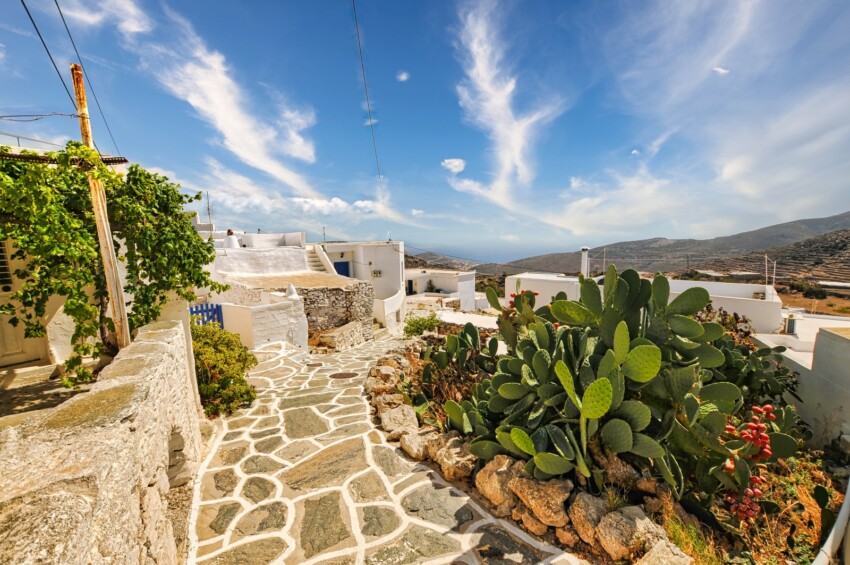
Sikinos offers the thrill of realising that the Greece we all have in commonplaces still exists. Despite its small size, the island offers unique attractions that tell millennia of history and traditions.
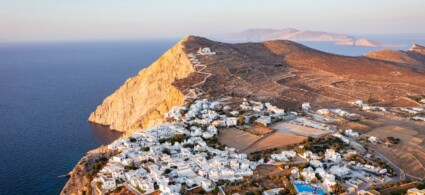
The capital of Sikinos, known as Chora or Kastro, is a perfect miniature of what one might expect from a typical Cycladic village. Perched on a hill 3 kilometres from the harbour, this whitewashed village is a labyrinth of narrow streets, old houses and small churches that develops around the central square.
The main square, with the church of Pantanassa in the centre, is the beating heart of the island’s social life. Here you can admire the Byzantine Museum, housed in a building dating back to 1787, which holds a valuable collection of ancient icons and a gilded wooden screen that testifies to the island’s rich religious tradition.
The village is divided into two parts: Kastro, the older area built in the 1500s on the edge of a cliff as a defence against pirates, and Horio, which retains all the characteristics of traditional Cycladic architecture with its white houses with blue windows and picturesque flower-lined alleys.
Built in 1690 on the highest point of Kastro, this fortified monastery once served as a refuge for the inhabitants during pirate raids. The structure, very reminiscent of a medieval castle, offers spectacular views of the Aegean and surrounding islands.
Abandoned since 1834, the monastery still retains the charm of a bygone era and is one of the best vantage points on the island, especially to admire the sunsets that tint the sea in infinite shades of blue.
One of the most special and exciting sights on Sikinos is the church of Panagia Pantanassa, built at the behest of the Greek poet Odysseas Elytis, an important representative of Greek surrealism and winner of the Nobel Prize for Literature in 1979. After the poet’s death, his wife saw to it that the construction was completed according to her husband’s last wish.
Completed in 2011, this chapel ‘floating in the air’ is located between Kastro and the monastery of Hrisopigi, nestled in the unspoilt landscape of the Sikinos hills. Visiting it is a unique experience, in a place imbued with an atmosphere of innocence and natural beauty that Elytis himself extolled for its ‘crystalline’ clarity.
In the interior of the island, don’t miss the remains of the Episkopi Monastery, an extraordinary example of historical stratification. This site represents a Roman mausoleum from the 3rd century A.D. later converted into a Christian church in the 17th century, with the addition of a dome, bell tower and choir.
The monastery, located in a panoramic position, offers spectacular views of the sea and bears witness to the long history of cultures and religions that have overlapped on this island over the millennia. It can be reached via a dirt road through the barren and fascinating landscape of the hinterland.
Located in the neighbourhood of Horio, inside an old olive oil mill, the Folklore Museum chronicles the daily life and traditions of Sikinos through the centuries. The collection includes ancient agricultural tools related to olive oil production, evidence of the importance this activity has always had in the local economy.
The visit provides an understanding of how life on the island was closely linked to the agricultural cycles and traditional activities that still characterise the identity of Sikinos today.
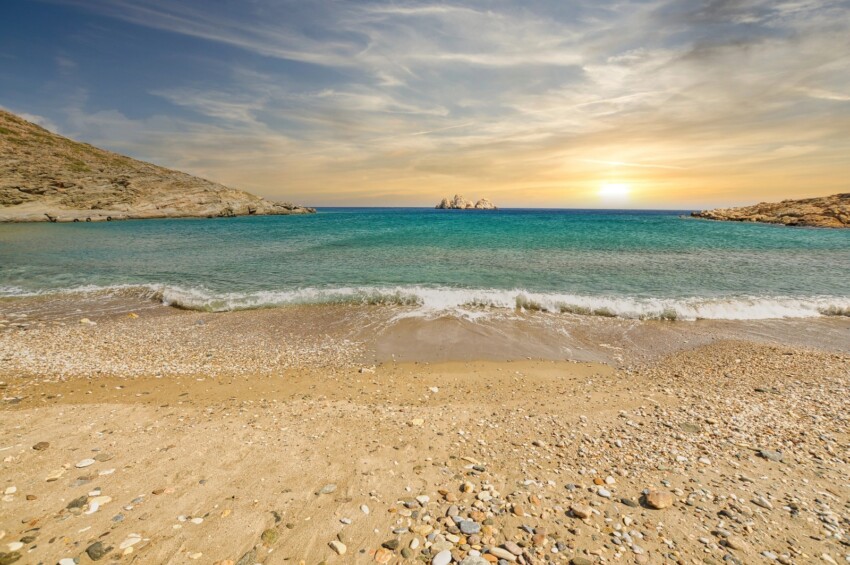
Due to its morphological conformation, Sikinos offers very few beaches, of which only three are easily accessible. However, the island’s sea is at its best with crystal-clear, pristine waters that compensate for the limited extent of the sandy coastline.
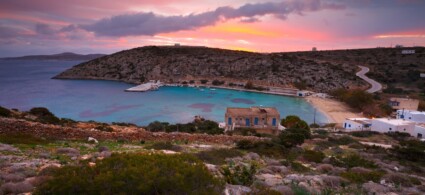
Alopronia beach is located next to the harbour and is the only truly equipped beach on the island. It is long and sandy, with shallow waters ideal for families with children. The municipality has provided free umbrellas and wooden benches, while trees at the back provide natural shade during the hottest hours.
Ships will not disturb you: very few ferries dock at Sikinos per day, sometimes none at all, guaranteeing absolute tranquillity even on the main beach. Nearby there is a large car park, a café, a tavern and a small supermarket.
Agios Georgios is considered the most beautiful beach in Sikinos, characterised by golden sand and crystal-clear, euphoric waters. Accessible either by bus or by caiques departing from the port of Alopronia, this bay offers everything you need for a perfect day at the beach.
The beach has free umbrellas provided by the municipality and a taverna where you can enjoy excellent fresh fish. It can also be easily reached by car or scooter along one of the island’s three paved roads.
Dialiskari is a small bay that can be reached by following a dirt road from Alopronia. It is not equipped but offers consistently clear, clean waters in a wilder, unspoilt setting. It is an ideal choice for those seeking privacy and direct contact with nature.
The island’s other four beaches are secluded bays accessible only by boat or hiking trails. Malta, in the far north opposite Ios, is particularly popular with naturists for its remote location and waters tinged with all shades of blue.
Santorinaika is ideal for those seeking absolute solitude, while the Black Cave (Mavri Spilia) in the north of the island is one of the most spectacular caves in the Cyclades, accessible only by sea.
Accommodation on Sikinos is limited and genuine, reflecting the authentic character of the island. Most of the accommodation is concentrated in Alopronia, the harbour and most touristy area, with some options also in Chora.
Alopronia offers the most convenience for connections and essential services. Here you will find small seasonal hotels, studios and flats run by local families, all characterised by the warm atmosphere of traditional Greek hospitality. The proximity to the harbour makes this area ideal for those arriving by ferry and for those who want easy access to the main beach.
The Chora, on the other hand, offers a more authentic and atmospheric experience. Sleeping in the old town means waking up among the whitewashed houses and Cycladic alleys, with breathtaking views of the sea and surrounding islands. Accommodation here is mainly in renovated traditional houses and flats with panoramic terraces.
Important: advance booking is absolutely necessary, as beds are limited and often full even out of season. Do not try to arrive without a reservation hoping to find accommodation: you would risk being left without accommodation.
We offer a selection of hotels at Sikinos to suit all categories of travellers. The most booked by tourists are the sea-facing hotels, often right on the beach. If you want to play it safe, choose one of the following: they are among the most booked hotels in Sikinos, sorted by number of reviews.
If you prefer space, privacy and the ability to prepare your own meals to a hotel holiday, book a holiday home at Sikinos. We recommend a few below, but in this case we advise you to book early because houses and apartments for rent at Sikinos are in high demand.
Sikinos does not have its own airport, so arrival is necessarily by sea. The island is well connected with the main Cycladic destinations and the mainland, despite its small size.
The most direct connection is from the port of Piraeus, from where the journey takes just over eight hours by conventional ferry. Blue Star Ferries operates this route several times a week, offering a reliable service throughout the tourist season.
The quickest way to reach Sikinos is to fly to Santorini with one of the many direct flights available in the summer, and then continue by ferry or hydrofoil. The distance between Santorini and Sikinos is minimal, making this connection particularly convenient.
Due to its central location between Ios and Folegandros, Sikinos is often included in multi-island itineraries. It can also be reached from Milos, Sifnos and Serifos, making it perfect for those wishing to explore the less touristy Cyclades.
The frequency of connections increases during the summer, but even in the low season it is possible to reach it, albeit with fewer timetable options.
What's the weather at Sikinos? Below are the temperatures and the weather forecast at Sikinos for the next few days.
Sikinos is located in the heart of the Southern Cyclades, halfway between the islands of Ios and Folegandros. The island is a short distance from Santorini, one of the most popular destinations in the archipelago.
 Hotel
Hotel  Budget accommodations
 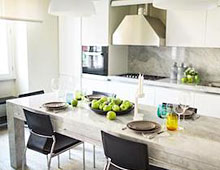 Apartments
  Family Hotel
 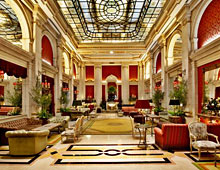 Luxury Hotel
 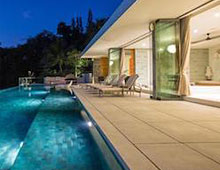 Resorts