Venus Minimal Hotel
Tinos Town - Filipoti 7
Located within 400 metres of Church of Kechrovouni and 400 metres of Monument of Elli, Venus Minimal Hotel offers rooms in Tinos Town.
Book now
In the archipelago of the Northern Cyclades, between Andros and Mykonos, lies an island that is the perfect antithesis of Cycladic worldliness: Tinos. With its 195 square kilometres and 9,000 inhabitants, this island is known throughout the Orthodox world as ‘the Lourdes of Greece’, but it hides much more than just a pilgrimage centre.
Tinos is an island for amateurs, a sophisticated, deliciously Greek resort. Famous for its Venetian dovecotes and for being one of the pivotal pilgrimage sites for the Orthodox faith, Tinos is an exciting yet refined island at the same time, close in space to Mykonos as a swimming stroke, far in soul as saint and sinner.
It is an exception to the rule of the Cyclades, that rule whereby all the islands of this archipelago are semi-deserted and where nothing grows. On Tinos, the opposite is true: the island was the granary of the Aegean during the period of Venetian rule, and even today terracing covers practically the entire island, evidence of centuries of intensive agriculture.
Tinos is the sum of all the Cyclades, and has a beauty that stays with you long after you return home. It is the ideal island for those seeking spirituality, authentic traditions and deep contact with the most authentic Greek culture.
Tinos offers a range of cultural, spiritual and natural attractions that make it unique in the Cyclades archipelago. With over 50 inhabited villages and 700 churches and monasteries, the island is a true open-air museum of Greek traditions.
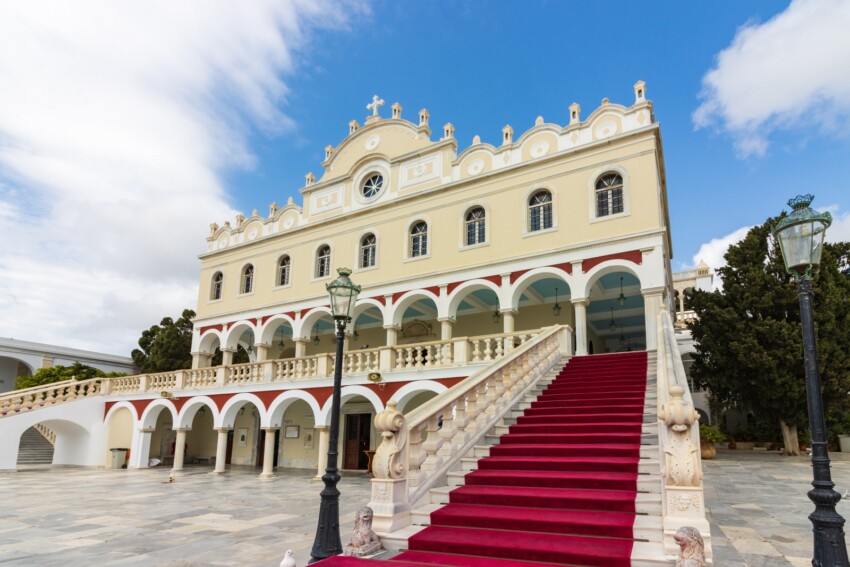
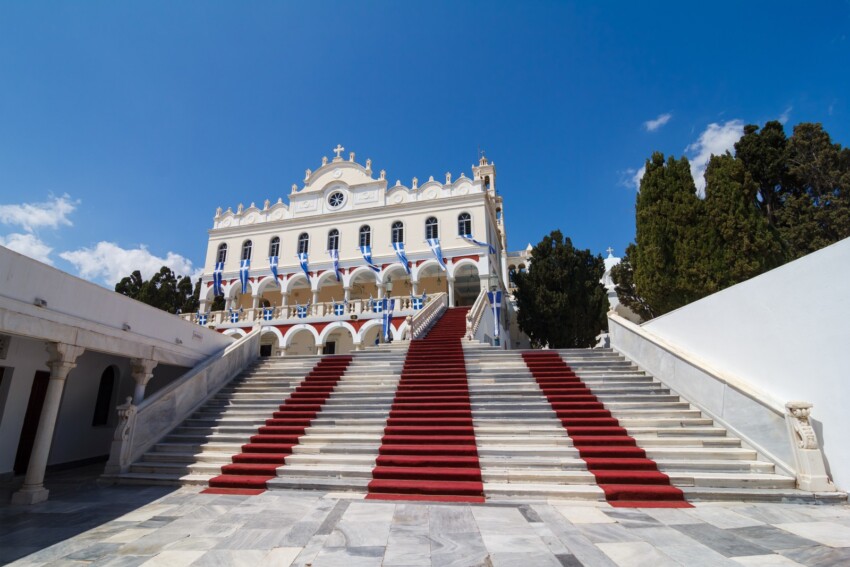
The Church of Panagia Evangelistria (Virgin Mary Announced) is the spiritual heart of Tinos and one of the most important pilgrimage sites in Greece. Built in 1823 on the exact spot where the miraculous icon of the Virgin Mary was found, this imposing white marble basilica dominates the island’s Chora.
The history of the sanctuary begins with St Pelagia, a nun from the Kechrovouni Monastery, who for three consecutive Sundays (July 1822) dreamt of the Virgin Mary showing her the place where her icon was buried. The finding of the icon on 30 January 1823, during the Greek War of Independence, was considered a divine omen for the just cause of the revolution against the Turks.
The church is a three-aisled basilica with a dome, designed and decorated by Izmir’s best artists. The central gilded wooden iconostasis holds the miraculous icon, covered with jewellery and precious objects donated by the faithful. The bell tower and monumental stairs leading to the main entrance make the architectural ensemble one of the most impressive in modern Greece.
The main celebrations take place four times a year: 30 January (discovery of the icon), 25 March (Annunciation), 23 July (vision of St Pelagia) and 15 August (Dormition of the Virgin), when thousands of pilgrims walk on their knees from the harbour to the church on a red carpet.
Pyrgos is probably the most beautiful village on Tinos and is the centre of the island’s sculptural tradition. Located in the north-west, this elegant village is built entirely of local white marble, from the streets to the fountains, from the houses to the churches.
The Marble Museum tells the story of the quarrying and working of this precious material, while the Panormos Artists’ Museum celebrates the master sculptors who have made the island famous. The house-museum of the sculptor Giannoulis Chalepas, one of the most important Greek artists of the 19th century, preserves the master’s works and tools.
The central square of Pyrgos, dominated by an enormous plane tree, is surrounded by cafés and craft workshops where one can still watch marble being worked using traditional techniques. Sculptors from all over the world come to the island every year to study the local techniques alongside the craftsmen.
The village of Volax offers a unique spectacle in the Cyclades: hundreds of round meteorite-like rocks dot the surrounding landscape, creating a surreal atmosphere that has earned it the nickname ‘lunar village’. These unique geological formations are the result of millennia of volcanic erosion.
Volax is also famous for its wickerwork tradition: in the village’s small house-workshops, craftsmen weave baskets according to techniques handed down through generations. You can watch them at work and buy high-quality handmade products.
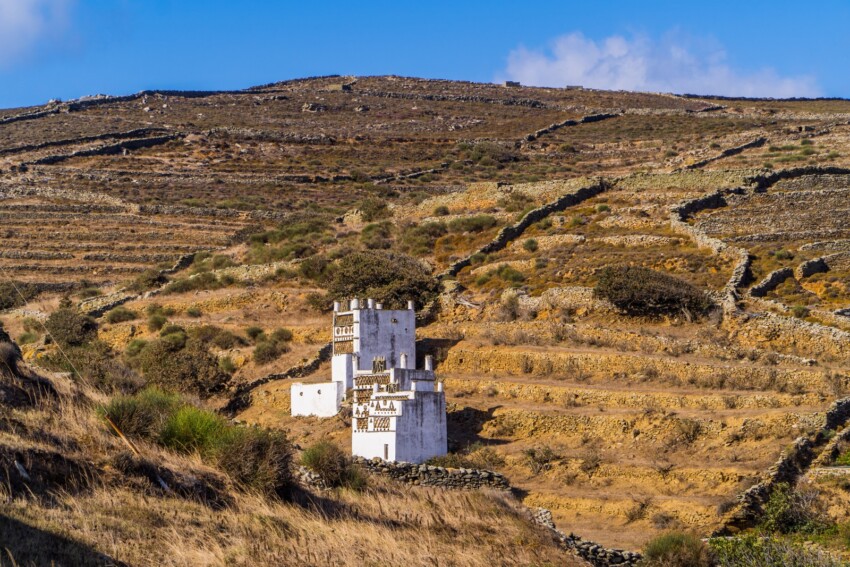
Tinos is home to some 600 dovecotes (peristeriones), unique architectural monuments dating back to the period of Venetian rule (1207-1715). These structures, which are the size of small houses, were used to breed pigeons, an important source of protein and fertiliser for agriculture.
The dovecotes are decorated with geometric patterns in slate and limestone, and their architecture has influenced the general building style of the island. The oldest date back to 1700 and are concentrated in the eastern and central part of Tinos. Many are still functional and represent a unique example of Mediterranean rural architecture.
The 10th century Monastery of Kechrovouni is located near the village of Arnados and is the oldest on the island. This monastic complex that resembles a fortified village is where St Pelagia, the nun who had visions of the Virgin Mary, lived.
The monastery houses a library full of ancient manuscripts and a collection of Byzantine icons. The nuns are very strict about the clothing of visitors, who must be properly covered to enter the complex.
Mount Exomvourgo (640 metres), the highest point on Tinos, contains the ruins of an ancient town and a medieval castle. The ascent to the mountain offers a 360-degree view of Tinos and the surrounding islands, and is also a popular spot for rock-climbing enthusiasts.
The ruins include remains of Venetian fortifications and traces of settlements dating back to Archaic times. The mountain is visible from all over the island and is a natural landmark for the inhabitants.
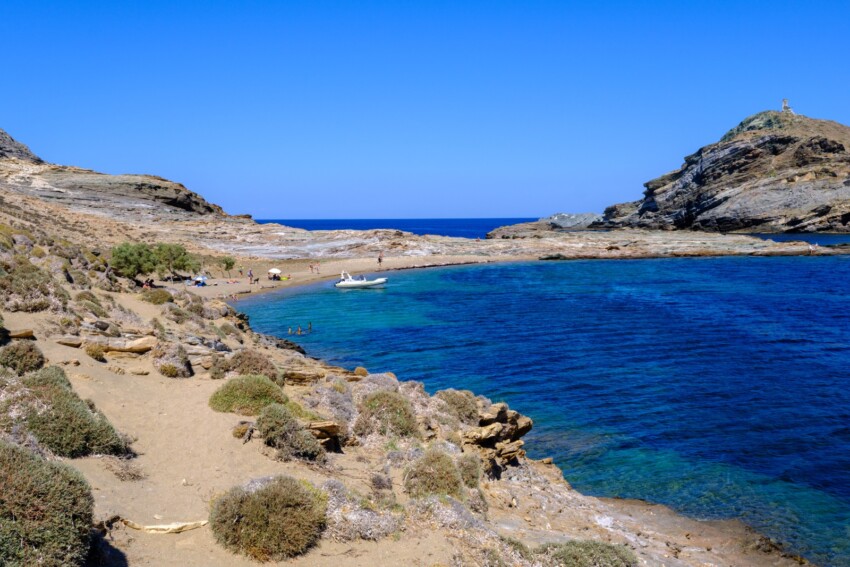
Despite its spiritual reputation, Tinos boasts numerous beaches of great beauty, many of which are still unspoilt and uncrowded. The coastline offers a variety of landscapes, from sheltered sandy bays to the wild cliffs of the north.
Kolymbithra represents one of the most spectacular seaside areas of Tinos, characterised by small, hidden bays and crystal-clear waters. Located in the northern part of the island, this area offers several coves sheltered from the meltemi, ideal for those seeking tranquillity.
The beaches of Kolymbithra can be reached via scenic paths through the island’s barren and fascinating landscape. Some coves are only accessible on foot or by scooter, providing a wilder and more authentic experience.
Livadia is unanimously considered the best beach on Tinos, characterised by golden sand and crystal-clear turquoise waters. Located on the north-western coast, this long beach offers both organised areas and wild stretches of coastline.
The bay is protected from prevailing winds and offers gently sloping seabed, making it ideal for families with children. The beauty of the surrounding landscape, with terraced hills sloping down to the sea, makes it one of the most photographed beaches in the Cyclades.
Panormos is a charming fishing village with a small natural harbour and tavernas specialising in fresh fish. The village beach offers calm, clear waters, while the harbour retains the authentic atmosphere of maritime Greece.
Close to Panormos are the beaches of Agia Thalassa and Rochari, two of the most spectacular on the island, reached via coastal paths that offer breathtaking views.
Agios Fokas and Kionia are the beaches closest to Chora, easily accessible and well served by taverns and services. Porto offers a long sandy stretch ideal for water sports, while Pahia Ammos is one of the wildest and most unspoilt beaches on the island.
Agios Sostis beach is prized for its sheltered location and particularly warm waters, while Agios Romanos and Agios Petros to the south offer more dramatic scenery with spectacular cliffs and rock formations.
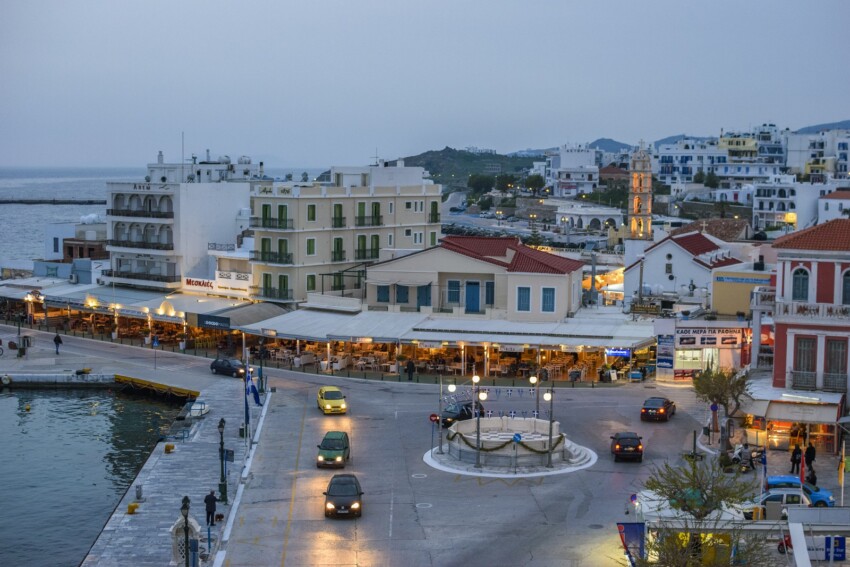
The accommodation on Tinos reflects the authentic and traditional character of the island, with accommodation ranging from traditional hotels in the Chora to agritourisms in inland villages.
The Chora of Tinos is the most convenient choice for those arriving on the island, with hotels and guesthouses within easy reach of the harbour and the sanctuary of the Virgin Mary. Accommodation in the old town allows you to soak up the pilgrimage atmosphere and easily reach restaurants, cafes and local craft shops.
Pyrgos offers a more refined and cultural experience, with small boutique hotels in historic marble buildings and renovated traditional houses. Staying in the centre of Greek sculpture allows you to witness the work of artisans and enjoy the tranquillity of an authentic Cycladic village.
Coastal villages such as Panormos and areas close to the main beaches offer more sea-oriented accommodation, ideal for those who favour the beach life. Many of these establishments are family-run and offer typically Greek warm hospitality.
The hinterland of Tinos is home to some unique agritourisms that allow you to experience the rural life of the island, participating in traditional agricultural activities and enjoying genuine local produce. It is the ideal choice for those seeking an authentic experience and contact with traditions.
We offer a selection of hotels at Tinos to suit all categories of travellers. The most booked by tourists are the sea-facing hotels, often right on the beach. If you want to play it safe, choose one of the following: they are among the most booked hotels in Tinos, sorted by number of reviews.
If you prefer space, privacy and the ability to prepare your own meals to a hotel holiday, book a holiday home at Tinos. We recommend a few below, but in this case we advise you to book early because houses and apartments for rent at Tinos are in high demand.
Tinos can only be reached by sea, as it does not have its own airport. Its location in the northern Cyclades makes it easily accessible from both the mainland and the neighbouring islands.
The main connections depart from the port of Piraeus, 159 km away, with ferries taking about 2 hours to reach Tinos. During the summer, the frequency increases considerably, with multiple daily departures also serving Andros, Mykonos and Syros.
From Rafina, 118 km away and the second port of Athens, there are fast ferries that reduce the journey time, particularly frequent during the summer season. This connection is often preferred due to its greater proximity to Athens airport.
Tinos is well connected with the main islands of the Cyclades. Ferries to Mykonos take only 30 minutes, making it easy to combine the two islands in one trip. Regular connections also serve Syros, Paros, Naxos and Santorini.
The central location of Tinos makes it an excellent hub for exploring the archipelago, especially popular with those who want to avoid the tourist crowds of the more popular destinations.
What's the weather at Tinos? Below are the temperatures and the weather forecast at Tinos for the next few days.
Tinos is located in the northern Cyclades, just 2 km from Andros from which it is separated by a narrow channel. The island is 159 km from Piraeus and 118 km from Rafina, making it easily accessible from the mainland.
Its strategic position between Andros to the north and Mykonos to the south-east places it at the centre of the maritime routes of the northern Cyclades. Tinos is surrounded by Syros to the south-west, while Paros and Naxos lie further south in the archipelago.
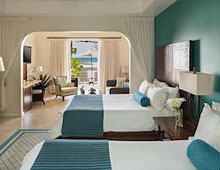 Hotel
Hotel 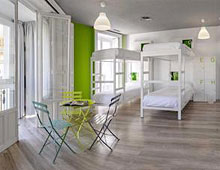 Budget accommodations
 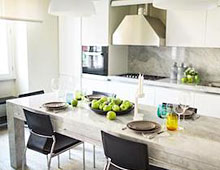 Apartments
  Family Hotel
 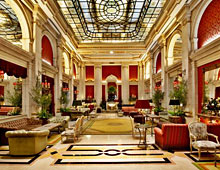 Luxury Hotel
  Resorts