Manolia City Residences
Nicosia - 35, Stasikratous street, 1st Floor
Book now
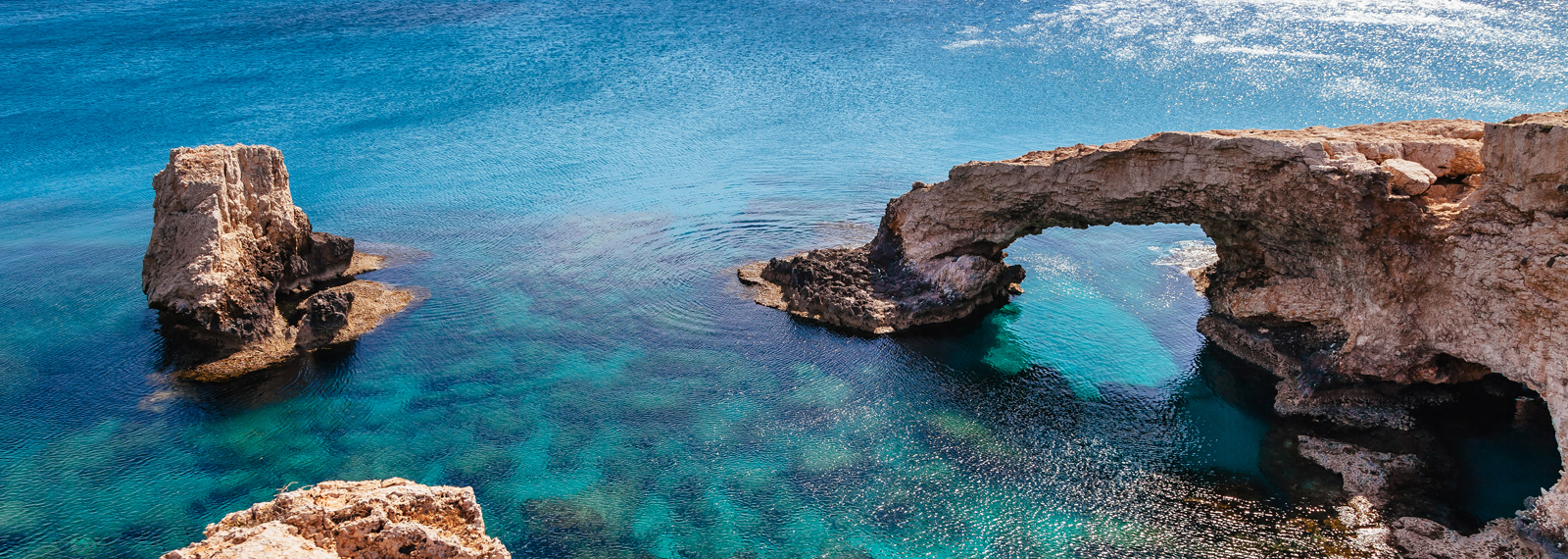
The Republic of Cyprus is the last outpost of the European Union in the east. Due to its particular geographical position, closer to Asia than to continental Europe, and its millennial history, Cyprus is a peculiar island that seems perpetually torn between two fascinating cultures: the Greek and the Turkish.
This fracture is concretely reflected in the Green Line, the dividing line between the Republic of Cyprus, where the Greek Cypriot population lives, and the northern part, a state created after the Turkish occupation in the 1970s and still not recognised by the international community.
For tourists, crossing the border is very easy, but it is not necessary: staying on the Greek side there is enough to see and do to fill a week or more.
Enchanting beaches, archaeological sites and museums, the sites of the myth of Aphrodite, monasteries and mosques, traditional villages, modern towns, wild nightlife resorts, hiking and mountain biking trails and even ski slopes: Cyprus has everything you need for a dream holiday all year round.
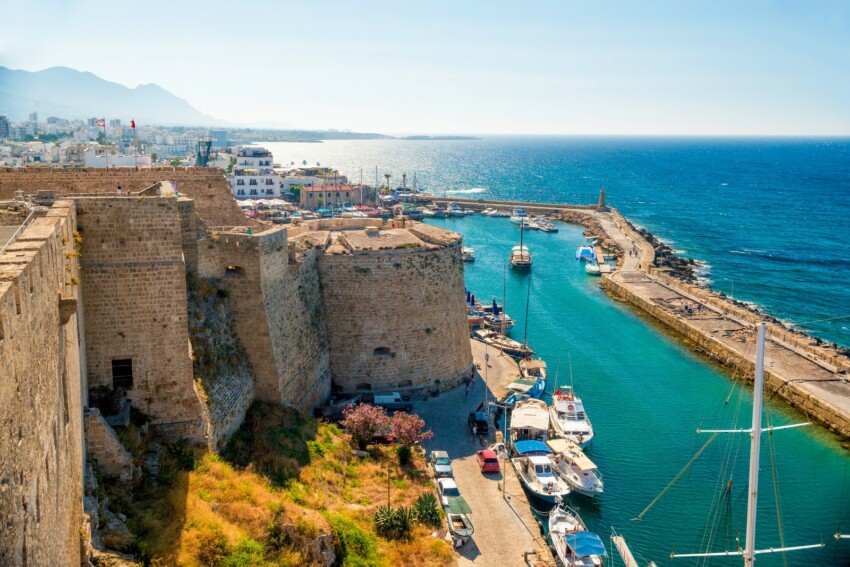
Cyprus enjoys a typical Mediterranean climate, with long hot summers and mild winters. The humidity is mitigated by pleasant sea breezes and despite the high summer temperatures, the heat can be tolerated quite well.
The best time to go to Cyprus is early or late summer, when temperatures are still hot but not torrid. The bathing season in Cyprus is quite long and you can usually go swimming as early as May and as late as August.
If you plan a lot of cultural visits, especially to archaeological parks fully exposed to the sun, or a trekking holiday, it is advisable to travel in spring.
On the Greek side of the island of Cyprus there are two international airports with direct flights to the rest of Europe: Larnaka and Pafos. The latter is recommended due to the greater availability of low-cost flights.
Many flights are unfortunately seasonal, operating only during the summer months. In other seasons, however, the plane remains the fastest and cheapest way to get to Cyprus, even if a stopover at a European airport is necessary.
With its thousands of years of history, unique traditions and beautiful scenery, Cyprus is a perfect destination for those who want to combine afternoons at the beach with cultural visits and outdoor activities. Here are the island’s top attractions not to be missed.
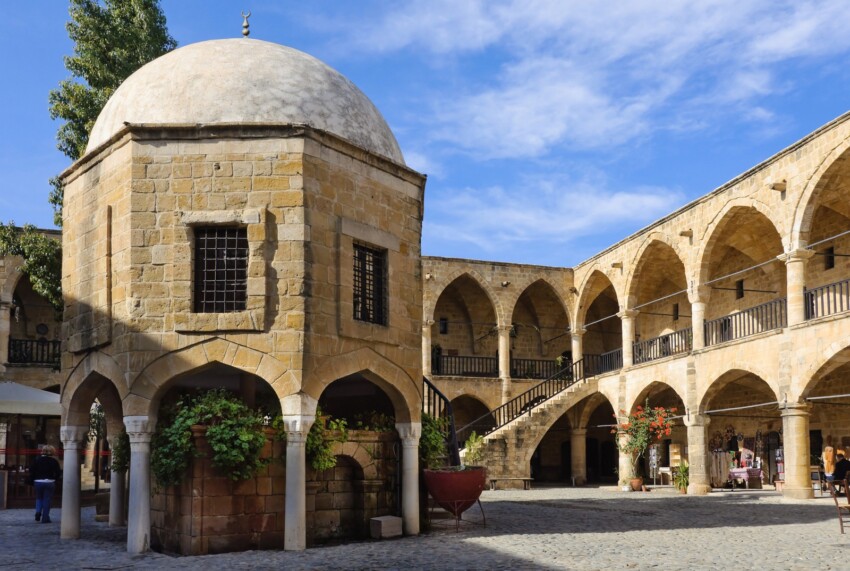
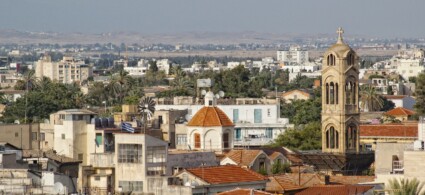
Nicosia, the capital of Cyprus, is a city divided as Berlin once was: this sad characteristic is one of the elements of its charm for visitors. Tourists usually dedicate a quick half-day visit to the capital, but in reality Nicosia has a lot to offer and deserves a much longer stop.
During the day you can admire the ancient Venetian walls that protected the city, the interesting Byzantine museum with its centuries-old icons and the Cathedral of St. John. For your shopping, browse the souvenir shops that line the pedestrian Ledra Street in the heart of the city.
Cross the green line separating the border between the Greek and Turkish parts to admire one of the city’s top attractions: the Buyuk Han, a caravanserai built by the Ottomans in the second half of the 16th century. Here merchants and travellers could refresh themselves, pray and rest. During the British colonisation, however, it was used as a prison. In the centre of the square is a unique fountain-mosque, while the ground-floor rooms of the Buyuk Han house characteristic bars, shops and restaurants.
In the evening, you can join the young people who animate the city’s vibrant nightlife, treat yourself to a typical dinner in one of the many traditional restaurants or attend a folk music concert.
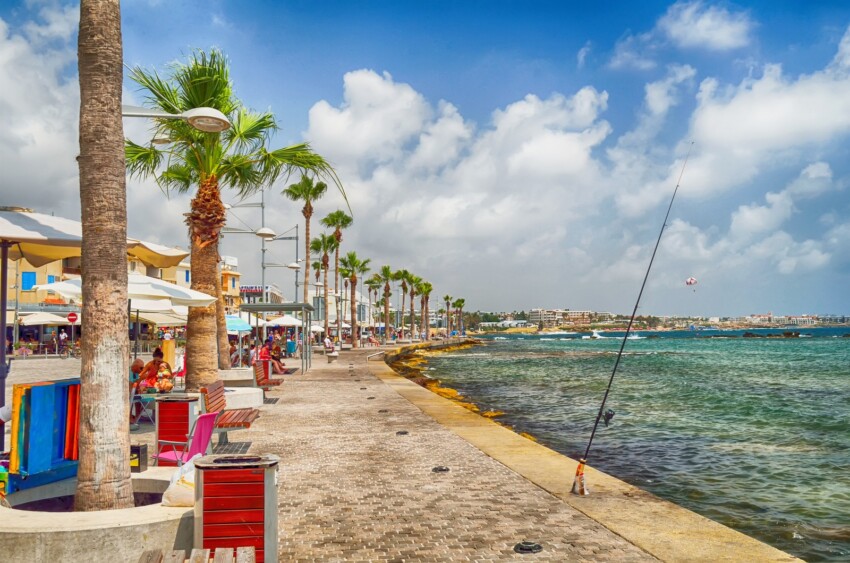
Pafos is the city of the myth of Aphrodite: here you will find places dedicated to the cult of one of the most famous and worshipped goddesses on Olympus. You can bathe in the waters from which the goddess emerged, admire the pool where she went to cool off, visit the sanctuary dedicated to her and walk the fascinating Aphrodite Trail.
After paying homage to the goddess Aphrodite, move on to admire the magnificent mosaics at the Archaeological Site of Nea Pafos, which once decorated luxurious Roman villas with scenes from Greek mythology. Another must-see cultural-historical attraction in Pafos town are the Tombs of the Kings, a necropolis dating back to the Hellenic-Roman period.
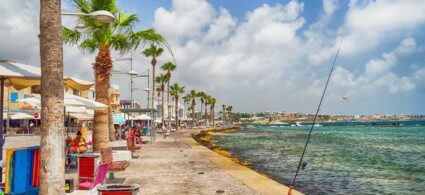
Cultural visits can continue in the city’s many museums and churches, but set aside some time to explore the beautiful beaches dotted along the Pafos coastline.
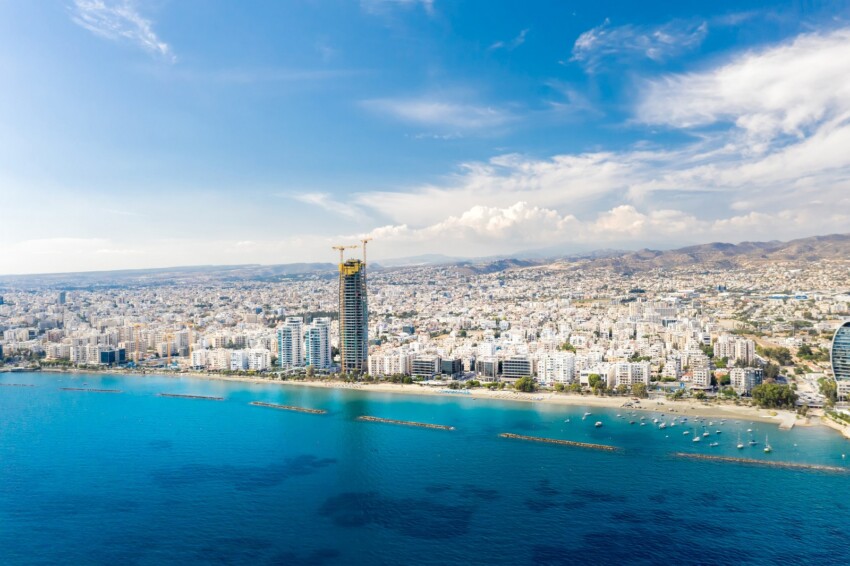
Cyprus’ second largest city and one of the island’s most important ports, Limassol overlooks a pretty bay where the seat of the Templars once stood.
The old town has been extensively renovated and today Limassol presents itself as a dynamic and modern city. Its elegant marina is frequented by tourists who like to flaunt luxury: you don’t have to, you can simply enjoy the atmosphere.
A visit to the inevitable archaeological museum will delight fans of ancient history, while gourmet travellers will find the Limassol Wine Museum more interesting, where you can learn about the island’s wine-making tradition and taste some local wines.
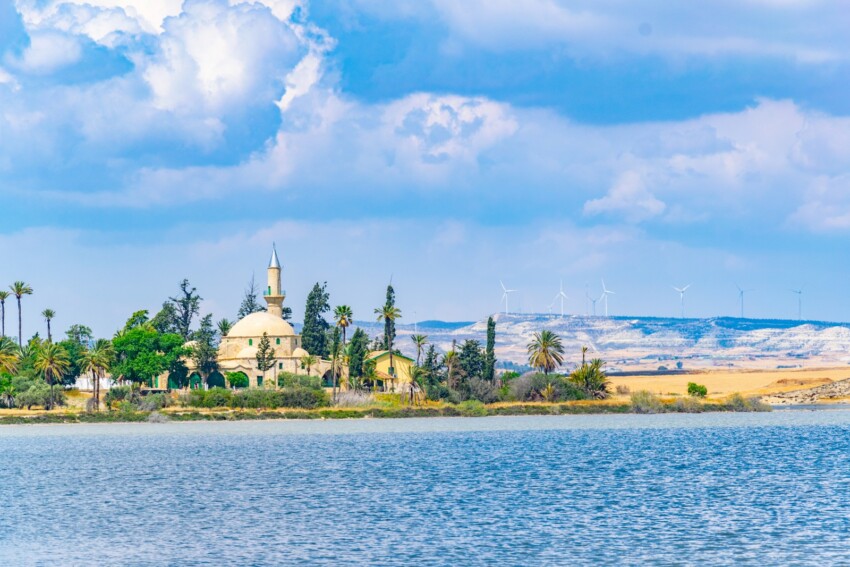
Larnaka is one of the oldest cities in Cyprus still inhabited today. Founded more than 6000 years ago, it is a melting pot of peoples and cultures that have left different traces in the local architecture and traditions.
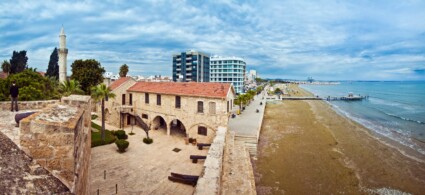
Today, Larnaka is one of the most attractive resorts in Cyprus, chosen by many tourists for its large number of hotels and services. Its waterfront promenade, known as Finikoude, is crowded day and night. If you prefer fewer tourists and a more authentic atmosphere, move to the old Turkish Cypriot quarter of Buyuk.
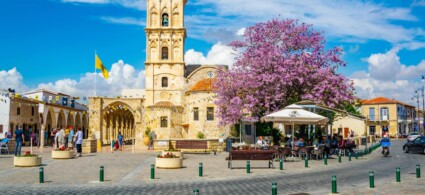
Attractions not to be missed in Larnaka include the Church of St Lazarus, the Cami Kebir mosque and the Ottoman fortress that now houses an archaeological museum. If you have more time available, take a day trip to explore the surrounding villages and the salt lake on which the Hala Sultan Tekke mosque was built.
A few kilometres from Larnaka is another of Cyprus’ archaeological wonders: the remains of the ancient city of Kourion. Allow at least a couple of hours to visit the Roman and Byzantine ruins of the archaeological site of Kourion, scattered on the slopes of a hill from which you can enjoy a splendid view.
For a refreshing break from the summer heat in Cyprus, take refuge in the Troodos Mountains, the mountain range in the south-east of the island. The highest peak is Mount Olympus (not to be confused with the mythical mountain of the same name in mainland Greece), which is over 1900 metres high.
The mountains are criss-crossed by numerous hiking and mountain biking trails; along their slopes stand traditional villages where you can see a glimpse of authentic Cypriot life. There is no shortage of cultural and historical attractions, including the splendid monastery of Kykkos. Also worth seeing are the monastery of Agios Ioannis Lamabastidis, the church of Arhangelos Mihail and other beautifully decorated Byzantine churches.
In the colder months of the year, the peaks of the Troodos are covered in snow and this has led to the development of a winter tourism of skiing enthusiasts in Cyprus.
Although it has no museums or famous attractions, the small village of Pyla deserves a place on the list of things to see in Cyprus for its symbolic significance: here Greek Cypriots and Turkish Cypriots coexisted peacefully before and after the Turkish occupation.
Situated along the road from Larnaka (Greek side) to Famagusta (Turkish side), this village is part of a kind of buffer zone presided over by UN blue helmets. Almost ignored by international travellers and seldom recommended in tourist guides, it is a special place that with its simplicity allows you to come into more direct contact with the local reality.
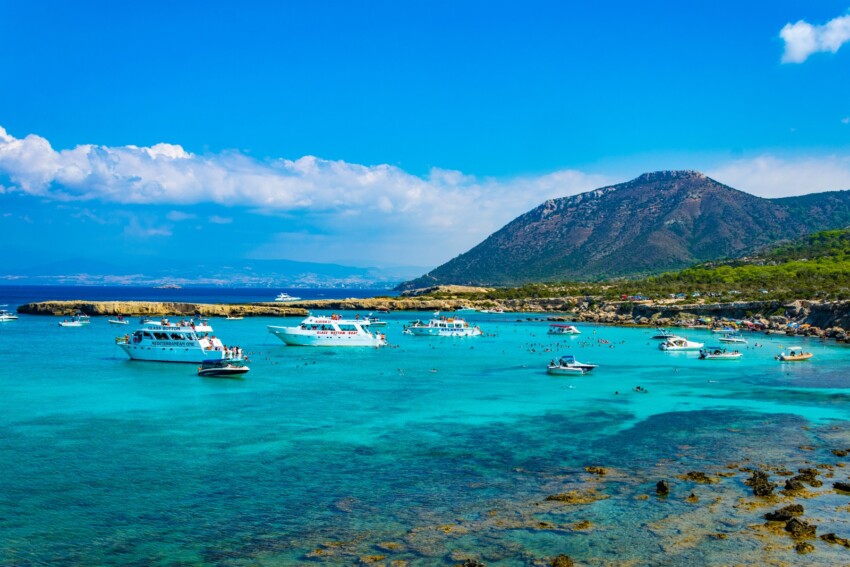
Cyprus’ most beautiful beaches are concentrated in two areas: the coast between Pafos and Limassol in the south-west of the island and the Ayia Napa coast in the south-east. Here are the 5 beaches in Cyprus you should not miss.
One of Cyprus’ most famous attractions is Petra Rou Romiou Beach, also called Aphrodite’s Beach because, according to myth, the goddess of love and beauty emerged from the waters here and began her earthly life.
The birthplace of Aphrodite is an enchanting beach of sand and pebbles dominated by a huge stone and washed by crystal-clear waters.
Considered to be the most beautiful beach in Cyprus, Coral Bay also has the advantage of being easily accessible and equipped with all amenities: both convenient and picturesque. It is a golden sandy beach stretching for 500 metres, washed by calm blue waters.
Off Coral Bay are picturesque dive sites that will delight divers on holiday in Cyprus.
A blue lagoon to dive into for a rejuvenating dip: this is no dream, this is Cyprus’ magnificent Blue Lagoon beach. Set in the beautiful natural scenery of the Akamas Park, it can only be reached by boat, on foot or by quad bike and is perfect for snorkelling.
For those who like wild-looking beaches, we recommend Lara Beach, a remote beach divided into two bays (North Lara and South Lara).
The beach is famous because caretta caretta turtles come here to lay their eggs during the breeding season: the cages scattered here and there along the beach serve precisely to protect the eggs – don’t touch them!
If you like tranquillity, take our advice: cross the border and go and relax on the beaches of the Turkish part of Cyprus. Few tourists bother to go that way so the beaches are generally very quiet.
The most beautiful beach in North Cyprus is Golden Beach, a very long beach (a good 10 km!) of fine sand bordered by a strip of dense Mediterranean vegetation.
In the following map you can see the location of the main places of interest mentioned in this article.
Cyprus is the third largest island in the Mediterranean. Given its size, it is important to look for accommodation in a location suitable for the type of holiday you want to take.
Ayia Napia is the recommended area for those who want nightlife, while Pafos is perfect for combining sea and cultural visits. Larnaka and Limassol are the main seaside resorts, recommended for those who want convenience and all services at their fingertips.
The capital, Nicosia, is ideal for those who enjoy city life and is also recommended for those looking for budget accommodation. Often snubbed by tourists, it offers hotels and flats at prices on average lower than those in the seaside resorts.
In all the main resorts along the coast, there is a good choice of hotels, flats and holiday homes to suit all budgets. Inland, the choice is reduced, with the exception of the capital Nicosia.
To get the most out of a holiday in Cyprus it is strongly recommended to hire a car as the long distances make travelling by public transport difficult, if not impossible. In Cyprus, there are both local and car rental companies: the former generally offer more guarantees of reliability and low-cost rates for those who book online.
The most convenient solution is to rent the car at the airport of arrival: this way you can leave immediately, without wasting time in reaching a rental agency, and you will have the car at your disposal for the duration of your holiday.
The telephone code for Cyprus is +357: to call a Cypriot number you need to dial 00357 before the recipient’s number. To call from Cyprus to home, on the other hand, you need to add the international dialling code.
Cyprus follows the time zone GMT+3, i.e. three hours above the Greenwich Zero Meridian.
Cyprus is located in the eastern Mediterranean. It is the third largest island in the Mediterranean (after Sicily and Sardinia) and lies south of Turkey, west of Syria and Lebanon, north-west of Israel and east of Greece. The island is divided politically into two parts: the Republic of Cyprus (to the south) and the Turkish Republic of Northern Cyprus (recognised only by Turkey).
The Republic of Cyprus is part of the European Union and the Eurozone, so the official currency is the euro. Before 1 January 2008, when the Euro came into force, the national currency was the Cypriot lira, which was replaced with an exchange rate of 0.585274 Cypriot lira for 1 Euro. In the northern part of the island (Northern Cyprus), the Turkish lira is used.
Electricity sockets in Cyprus are G-type (three-pin rectangular), like those in the UK. We recommend that you take a universal adapter with you. The voltage is 240V with a frequency of 50Hz.
The flag of Cyprus is white with a copper-coloured outline of the island in the centre (a symbol of the island’s copper mines) and, below it, two green olive branches symbolising peace between the island’s two main communities: Greeks and Turks. It was adopted in 1960 when Cyprus gained independence from the United Kingdom.



 Hotel
Hotel  Budget accommodations
  Apartments
  Family Hotel
 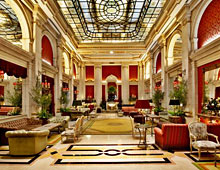 Luxury Hotel
 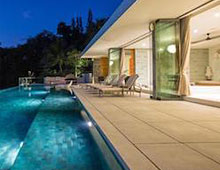 Resorts