Sun Hall Hotel
Larnaka - 6 Athens Avenue
Overlooking Phinikoudes promenade and just 50 metres from the beach, Sun Hall Hotel offers air-conditioned rooms.
Book now
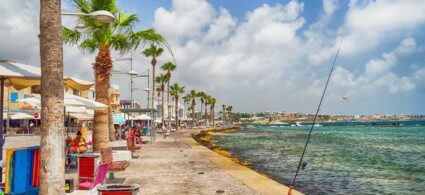
Larnaca is one of the most fascinating cities in Cyprus, with a millennial history harmoniously intertwined with its lively and dynamic present. Located on the south-eastern coast of the island, this port city is often the first taste of Cyprus for many visitors, thanks to its international airport. Its golden beaches stretch along the Finikoudes waterfront, offering a picturesque backdrop of palm trees and crystal-clear Mediterranean waters.
The city boasts an extraordinary cultural heritage, with Greek, Turkish, British and Middle Eastern influences reflected in its architecture, cuisine and local traditions. From the Turkish quarter of Skala with its restored stone houses, to the Church of St Lazarus, one of the island’s most important religious monuments, Larnaca is an open-air museum of Cypriot history.
With an ideal Mediterranean climate, which guarantees more than 300 days of sunshine a year, Larnaca offers a perfect environment for exploring its archaeological and natural treasures. The Larnaca Saltworks, a habitat for pink flamingos during the winter months, adds a touch of natural magic to the city’s charm, while the Zenobia shipwreck, considered one of the best dive sites in Europe, attracts diving enthusiasts from all over the world.
Larnaca is a city that surprises with the variety of its attractions, ranging from thousand-year-old archaeological sites to beautiful beaches, from religious monuments to unique nature experiences. Every corner of the city tells a different story, testifying to the rich past of this land at the crossroads of civilisations. Here are the must-see attractions you should include on your itinerary in Larnaca.
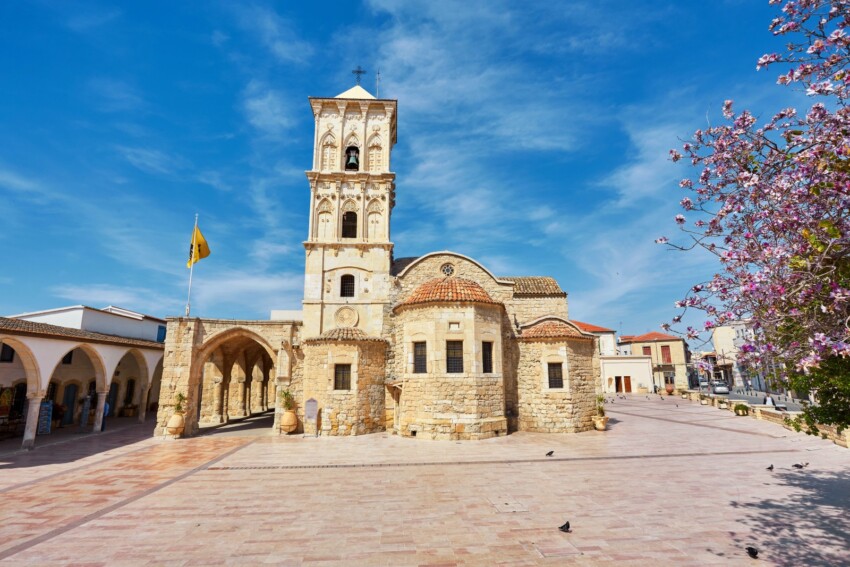
The Church of St Lazaros (Agios Lazaros) represents one of the most precious jewels of Larnaca’s religious heritage. Built in the 9th century over the alleged remains of St Lazarus, the friend of Jesus who, according to Orthodox tradition, lived in Cyprus after being resurrected. The current building, dating from the late 16th century, is a magnificent example of Byzantine architecture, with Gothic and Baroque elements added during later renovations.
Inside, you will be enchanted by the beauty of the finely carved gilded iconostasis and the ancient icons adorning the walls. The small but fascinating ecclesiastical museum adjacent to the church displays valuable religious artefacts, including icons, reliquaries and ancient manuscripts that testify to the rich spiritual history of the island.
Particularly impressive is the underground crypt, where, according to tradition, St Lazarus was buried. During Holy Week, the church becomes the centre of the city’s religious celebrations, with processions attracting believers and visitors from all over the island.
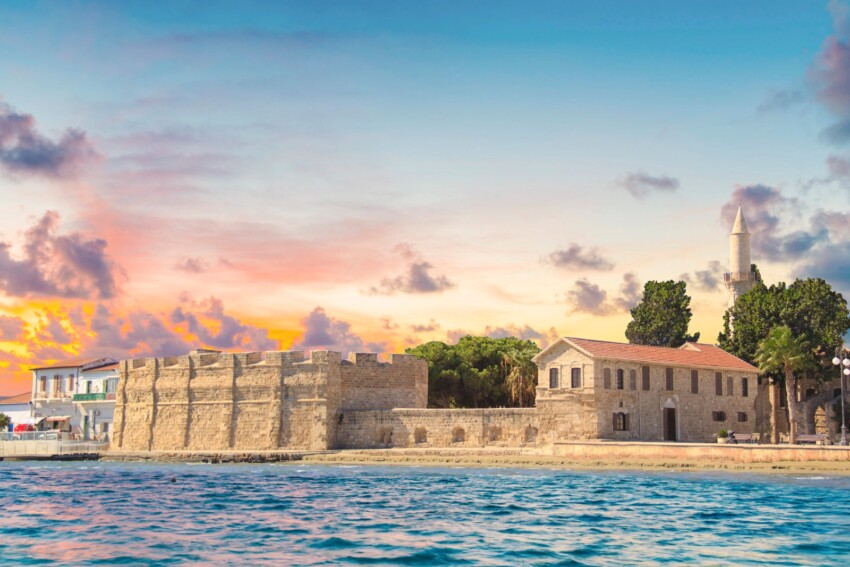
The Larnaca Medieval Fort (or Larnaca Castle) stands majestically at the southern end of the Finikoudes waterfront, representing a tangible symbol of the city’s turbulent past. Originally built in the 14th century during the Byzantine period, it was later rebuilt by the Ottomans in 1625, as evidenced by Arabic inscriptions still visible above the main entrance.
The fort’s thick stone walls have withstood centuries of historical events, protecting the city from pirate attacks and serving as a military garrison during the period of British rule. Today, the fort houses a small but interesting Medieval Museum displaying archaeological artefacts, ancient weapons, tools and ceramics that tell the story of Larnaca from the Middle Ages to the early 20th century.
The panoramic terrace at the top of the fort offers a spectacular view of Larnaca harbour and the bay, making this place particularly impressive at sunset. During the summer months, the inner courtyard of the castle is transformed into an atmospheric open-air theatre, hosting the Larnaca Cultural Festival with concerts, theatre performances and film screenings under the stars.
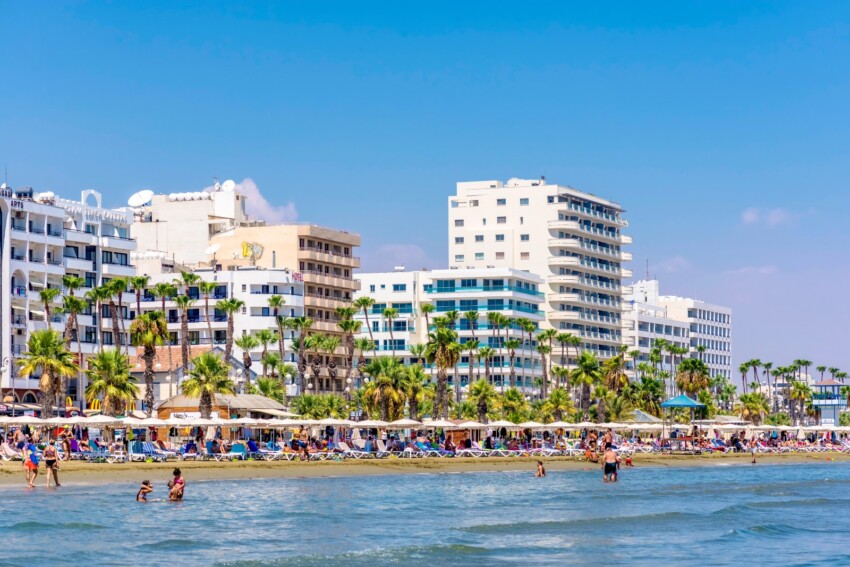
The Finikoudes Promenade is the beating heart of Larnaca’s social life, an elegant promenade stretching over 600 metres along the coast. It is named after the phoenix palms (finikoudes in Greek) planted during the British administration in the 1920s. This picturesque promenade is flanked by a Blue Flag award-winning golden sandy beach, which offers calm, shallow waters ideal for families with children.
Along the promenade, you will find a lively selection of restaurants, cafés and traditional Cypriot taverns where you can enjoy local specialities such as meze, halloumi and souvlaki, while admiring the Mediterranean. During summer evenings, the promenade comes alive with street musicians and a pleasant holiday atmosphere.
At the northern end of the promenade is the Larnaca Pier, a starting point for boat trips and a favourite spot for local fishermen, while at the southern end stands the Medieval Fort. The waterfront also hosts numerous cultural events throughout the year, including the famous Kataklysmos Water Festival in June, with water sports competitions, concerts and craft markets.
The archaeological site of Kition represents the remains of the ancient city from which modern-day Larnaca originated. Founded by the Mycenaeans in the 13th century B.C. and later inhabited by the Phoenicians, Kition was one of the most important kingdoms of ancient Cyprus, as evidenced by the numerous artefacts found during archaeological excavations.
The area includes the remains of five temples dating back to the 13th-11th centuries B.C., dedicated to Phoenician deities, with particular evidence of the cult of Astarte. Particularly impressive are the cyclopean walls built of huge stone blocks and column bases that once supported imposing sacred buildings.
Excavations have also uncovered an ancient harbour, now located about 1 km from the current coastline, bearing witness to geological changes over the millennia. Numerous ceramic artefacts, coins and votive statuettes found at the site are on display in the Archaeological Museum of Larnaca, offering a comprehensive picture of daily life, religious practices and commercial activities in ancient Kition.
Information panels at the site provide detailed explanations in several languages, enabling visitors to understand the historical importance of this settlement that was a flourishing commercial and cultural centre of the eastern Mediterranean for several centuries.
The Larnaca Salt Pan is one of the most impressive natural settings on the island, a vast salt lake covering an area of over 2.2 square kilometres. During the winter months, from November to March, this stretch of water becomes a refuge for thousands of pink flamingos and other migratory bird species, creating a natural spectacle of extraordinary beauty that attracts birdwatchers from all over Europe.
In summer, the water evaporates completely, leaving a crust of salt that once represented an important economic resource for the island. A picturesque nature trail surrounds the lake, offering ideal vantage points to admire the birdlife and enjoy breathtaking views, especially at sunset when the sky is tinged with spectacular colours.
On the banks of the salt marsh stands the Hala Sultan Tekke, one of the most important Muslim places of worship in the world. This serene complex, surrounded by palm groves and lush gardens, was built in the 18th century over the tomb of Umm Haram, a relative of the Prophet Muhammad. The mosque with its elegant minaret and green dome is an excellent example of Islamic architecture and a symbol of peaceful religious coexistence, being visited by Muslim pilgrims and tourists of all faiths.
The complex also includes a small Islamic museum and an ancient cemetery with historical tombs. The combination of this important religious site with the spectacular natural beauty of the salt marsh creates a particularly spiritual and contemplative atmosphere.
The Archaeological Museum of Larnaca is an essential stop to understand the rich history of the area. Housed in a modern building in the city centre, the museum holds an impressive collection of artefacts covering over 9000 years of history, from the Neolithic to the Roman period.
Of particular significance is the collection of Mycenaean and Phoenician ceramics from excavations in ancient Kition, which testify to the island’s flourishing trade. The terracotta votive statues found in local temples offer a fascinating insight into the religious practices of the ancient inhabitants, while the collection of gold jewellery and ancient coins demonstrates the craftsmanship developed in the region.
A section of the museum is dedicated to the findings from the Kition necropolis, with well-preserved grave goods including pottery, weapons and personal items, revealing customs and beliefs related to the cult of the dead. Multilingual explanatory panels and detailed reconstructions help visitors to contextualise the exhibits, offering a thorough understanding of Cypriot history.
The museum regularly organises educational activities for schools and families, as well as temporary exhibitions on specific topics of local archaeology. The visit takes about an hour and is an excellent introduction before exploring the archaeological sites in the area.
The Skala district is the historical heart of Larnaca, a labyrinth of narrow cobbled streets lined with traditional stone houses dating back to the Ottoman period. This charming neighbourhood, once inhabited mainly by fishermen and craftsmen, has undergone careful restoration work that has preserved its authentic character while adapting it to contemporary requirements.
Today, Skala is a lively cultural centre where numerous local artists have opened their ateliers and craft workshops. Strolling through its streets, you can admire craftsmen at work creating traditional Cypriot ceramics, lace and copper objects according to techniques handed down through generations. Many of the old houses have been converted into cosy traditional cafes and small art galleries displaying works inspired by Cypriot culture.
The Church of Agios Georgios, with its sandstone façade and interior frescoes, is an important landmark in the district. Not far away is the old Ottoman Kamares Aqueduct, built in the 18th century to bring water to the city from the surrounding mountains.
During the summer months, the small squares of Skala host small open-air concerts and cultural events, providing an atmospheric setting where tradition and contemporaneity blend harmoniously.
The wreck of the Zenobia is one of the most famous underwater attractions in the Mediterranean and one of the best dive sites in the world. This 172-metre-long Swedish ro-ro ship sank during its maiden voyage in 1980 due to a technical fault, just 1.5 km from the port of Larnaca, without causing any casualties.
Lying on its side at a depth of 42 metres, with the upper part only 16 metres from the surface, the Zenobia is accessible to divers of different experience levels. The wreck remains in surprisingly good condition, with most of the structure, decks and even the cargo of 104 trucks still visible, creating an extraordinary underwater scene.
Over the years, the ship has been transformed into a vibrant artificial marine ecosystem, colonised by numerous species of Mediterranean fauna and flora. During the dive, one can observe schools of barracuda, groupers, giltheads and the occasional sea turtle and stingray, which have found refuge among the ship’s decks and corridors.
Several diving centres in Larnaca offer guided excursions to the wreck, with packages suitable both for experienced divers who wish to explore the deeper and more technical parts, and for beginners who can limit themselves to the less challenging areas. Even non-divers can admire this extraordinary wreck thanks to tours in transparent bottom boats that allow them to observe the silhouette of the ship and the rich marine life that surrounds it.
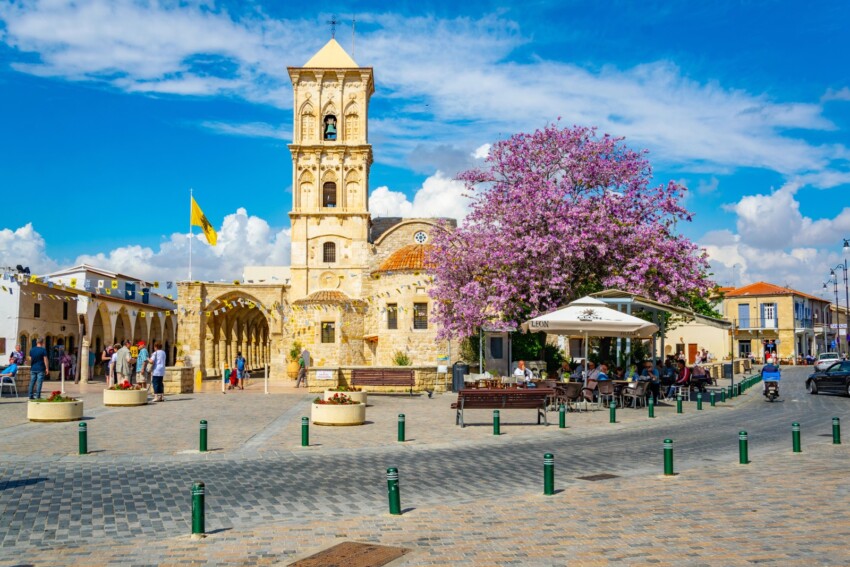
Agios Lazaros Square is the historical and religious heart of Larnaca, an elegant stone-paved pedestrian area surrounding the church of the same name. The square, renovated in recent years, combines traditional Cypriot elements with contemporary design, creating a harmonious and welcoming public space.
Surrounded by historical buildings with wrought-iron balconies and colourful façades, the square is home to numerous open-air cafés and traditional restaurants where you can relax in the shade of mulberry trees and parasols while observing the daily life of the city. The area is particularly lively at weekends, when local families and tourists gather to socialise.
During the Feast of St Lazarus, celebrated a week before Orthodox Easter, the square becomes the focus of important religious celebrations, with processions, traditional music and stalls selling local food and handicrafts. The square is also home to the Larnaca Folk Market, held every Sunday morning, where you can buy local organic produce, honey, olives, artisanal cheeses and souvenirs.
The central illuminated fountain with its water features adds a refreshing touch on hot summer evenings, while cultural events and small concerts organised regularly create a lively and festive atmosphere. The square is an ideal starting point for exploring the historical centre of Larnaca, with its shops, art galleries and historical monuments within easy walking distance.
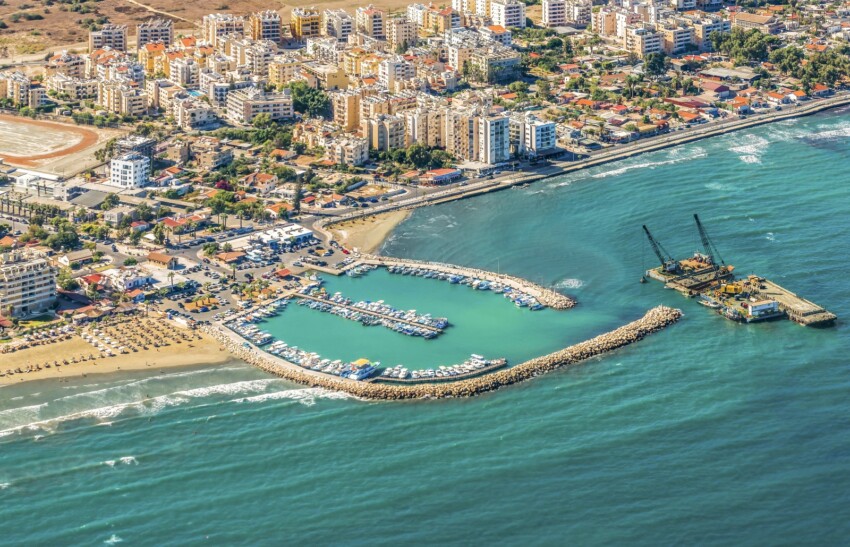
The city centre of Larnaca offers a strategic location for travellers wishing to be in the heart of the action. This area, which includes the area around the Finikoudes waterfront and the old town, is ideal for those who love to stroll and want easy access to major attractions, restaurants and shops. Hotels in this area range from charming boutique hotels to international chain establishments, many of which offer panoramic sea views. Prices tend to be higher than in other areas, but the advantage of being able to explore the city on foot more than compensates for the higher cost.
The Mackenzie Beach area, located a short distance from the city centre and close to the airport, is particularly popular with those seeking a beach holiday without sacrificing proximity to urban amenities. This long, golden sandy beach is lined with numerous beachfront hotels of various categories, many of which offer direct beach access. The area is also famous for its seafood restaurants and lively summer nightlife, making it ideal for couples and young travellers. Despite the proximity to the airport, most hotels are built to minimise aircraft noise.
For those seeking a quieter and more authentic atmosphere, the Skala district with its traditional houses offers a unique holiday experience. In this area, you can find holiday homes and small B&Bs in renovated historic houses that combine period charm with modern comforts. This accommodation is particularly suitable for independent travellers who wish to immerse themselves in the local culture and prefer a more intimate atmosphere than large hotels.
We offer a selection of hotels at Larnaca to suit all categories of travellers. The most booked by tourists are the sea-facing hotels, often right on the beach. If you want to play it safe, choose one of the following: they are among the most booked hotels in Larnaca, sorted by number of reviews.
If you prefer space, privacy and the ability to prepare your own meals to a hotel holiday, book a holiday home at Larnaca. We recommend a few below, but in this case we advise you to book early because houses and apartments for rent at Larnaca are in high demand.
Larnaca enjoys a privileged location on the south-eastern coast of Cyprus, making it easily accessible by air and land. The city is one of the main entry points to the island, with its international airport connecting it with numerous European and Middle Eastern destinations. Its centrality within Cyprus also makes it an excellent starting point for exploring the rest of the island, with efficient road connections to all major locations.
Larnaca International Airport (LCA) is Cyprus’ main air terminal and is located just 4 km southwest of the city centre. This modern terminal, opened in 2009, handles over 8 million passengers a year and is served by numerous airlines, including several low-cost ones, offering direct flights from many European cities, including Rome, London, Athens, Thessaloniki and many other destinations.
To reach the centre of Larnaca from the airport, you have several transport options. Public buses on line 425 connect the airport to Larnaca’s central bus station and the Finikoudes waterfront, with a journey time of approximately 30 minutes. The service is frequent during the day, but more limited in the evenings.
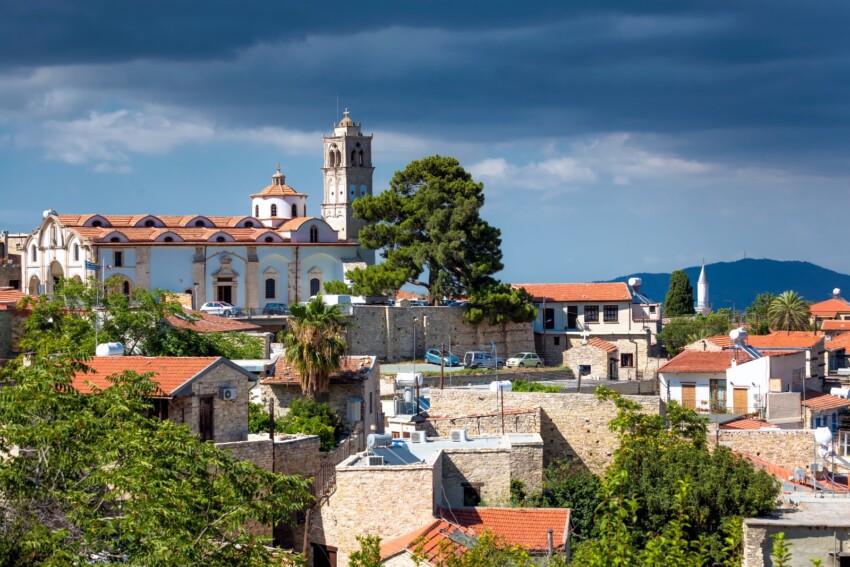
The surroundings of Larnaca offer extraordinary opportunities for day trips that will allow you to discover the rich diversity of Cyprus, from ancient ruins to picturesque traditional villages, from mountains to pristine beaches. Renting a car is definitely the best way to explore these places, giving you the freedom to follow your own pace and stop at scenic spots along the way. The Cypriot road network is well maintained and driving is on the left-hand side, a legacy of the British colonial period.
Just 25 minutes from Larnaca is the picturesque village of Lefkara, world famous for its traditional handicrafts. Strolling through the cobbled streets of this enchanting village, you can visit the workshops where ‘lefkaritiko’, a fine handmade lace made according to techniques handed down through generations, is still produced. According to legend, Leonardo da Vinci visited Lefkara in the 15th century and bought an embroidered tablecloth that he later donated to Milan Cathedral. The village is also renowned for its silver work and traditional sweets. Don’t miss the opportunity to have lunch in one of the local taverns to savour authentic Cypriot cuisine.
For nature lovers, a trip to the Troodos Mountains is an unforgettable experience. This mountain massif in the heart of Cyprus, about an hour and a half’s drive from Larnaca, offers a completely different landscape from the coast, with pine forests, waterfalls and picturesque mountain villages. During the winter it is even possible to ski, while in the summer the cooler temperatures offer welcome relief from the coastal heat. Don’t miss the Byzantine churches of Troodos, many of them UNESCO World Heritage Sites, with their beautiful medieval frescoes, and the Kykkos Monastery, the richest and most famous on the island.
What's the weather at Larnaca? Below are the temperatures and the weather forecast at Larnaca for the next few days.
Larnaca is located on the south-eastern coast of Cyprus, the third largest island in the Mediterranean Sea. This strategic location has historically made it an important commercial and cultural centre. The city is about 40 km south-east of the capital Nicosia, 70 km east of Limassol and 130 km east of Paphos. Due to its central location along the southern coast of the island, Larnaca is an excellent base for exploring the many attractions of Cyprus.
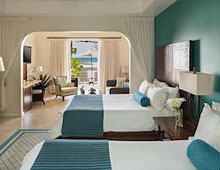 Hotel
Hotel 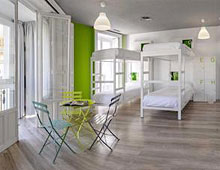 Budget accommodations
 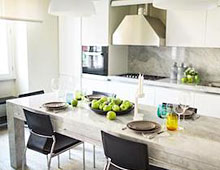 Apartments
  Family Hotel
 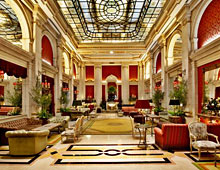 Luxury Hotel
 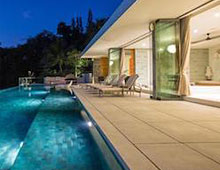 Resorts