NYX Hotel Limassol
Limassol - Anexartisias & Christodoulou Hadjipavlou
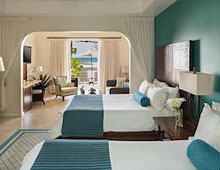
Facing the beachfront, NYX Hotel Limassol offers 4-star accommodation in Limassol and has an outdoor swimming pool, fitness centre and shared lounge.
Book now
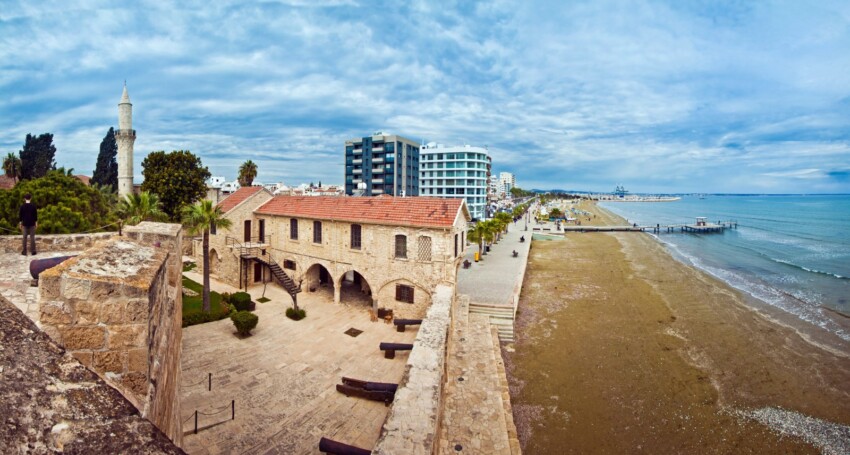
Limassol (Lemesos in Greek) is the second largest city in Cyprus and represents the perfect balance of ancient and modern, tradition and innovation. Located on the southern coast of the island, this lively port city stretches along a beautiful bay embraced by the crystal-clear waters of the Mediterranean. With a history dating back over 4,000 years, Limassol has reinvented itself over the centuries, transforming itself from an ancient settlement into a cosmopolitan tourist destination and business centre.
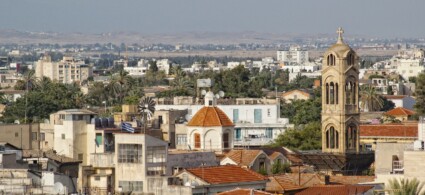
Its 7-km-long promenade, dotted with luxury hotels, trendy restaurants and outdoor cafes, has become the symbol of the city’s urban renaissance. At the same time, the old town with its cobbled streets, medieval castle and traditional markets retains the authentic charm of Cyprus.
Limassol is also known as the Cypriot wine capital, with a thousand-year-old wine tradition celebrated every year during the famous Wine Festival. Its strategic location, equidistant from the island’s other major cities, makes it an ideal base from which to explore Cyprus, while its Mediterranean climate with over 300 days of sunshine a year ensures perfect conditions for enjoying its many beaches and outdoor attractions throughout much of the year.
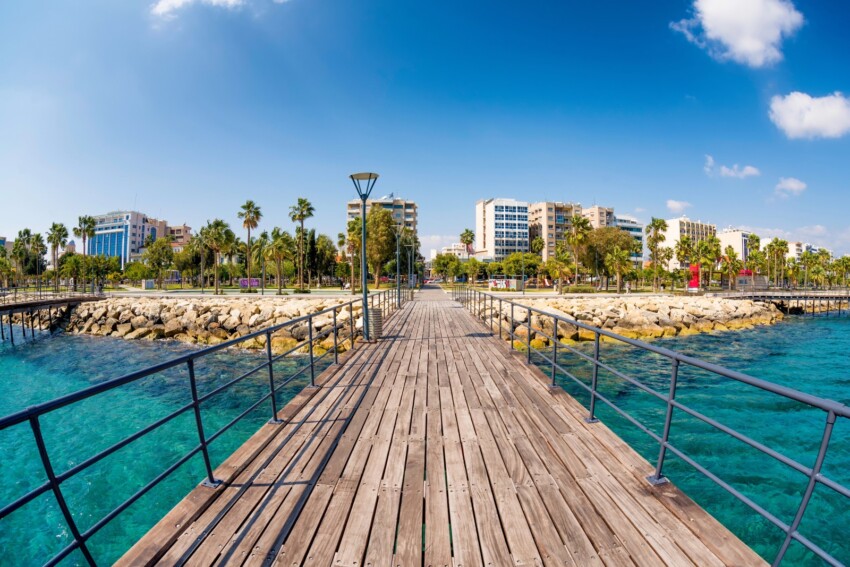
Limassol is a city that surprises with its versatility, offering visitors a perfect mix of historical sites, cultural attractions, gastronomic experiences and leisure opportunities. From its charming historical centre to its modern waterfront facilities, the city boasts a rich and varied heritage that caters to every tourist interest. Here are the main attractions you should not miss during your visit.
Limassol Castle is the historical heart of the city and one of the most significant monuments in Cyprus. Built in the 14th century on the ruins of an older Byzantine fortress, the castle has played a central role in the island’s history. According to tradition, it was here that Richard the Lionheart married Berengaria of Navarre in 1191, crowning her Queen of England.
The current structure is the result of numerous reconstructions during the Ottoman period, after the original fortress was severely damaged by Venetian and Ottoman bombardments. The thick limestone walls and austere architecture testify to the building’s military past, which was used as a prison during Ottoman rule until 1950.
Today, the castle houses the Cyprus Medieval Museum, where you can admire a rich collection of artefacts illustrating life on the island from the 3rd to the 19th century. Of particular interest are medieval ceramics, ancient weapons, domestic utensils, Byzantine coins and period jewellery that tell the story of Cyprus’ cultural and social evolution through the centuries.
From the castle’s upper terrace, there is a splendid panoramic view of the old town and the port of Limassol. During the summer months, the inner courtyard becomes an atmospheric venue for open-air concerts and plays, offering a unique cultural experience in an extraordinary historical setting.
The Limassol Marina represents one of the most ambitious and successful urban redevelopment projects in the eastern Mediterranean. Inaugurated in 2014 after an investment of over €350 million, this futuristic marina has radically transformed the face of the city, quickly becoming its flagship and a prestigious destination for international nautical tourism.
Designed to accommodate up to 650 yachts of different sizes, including mega-yachts of up to 115 metres, the marina combines a state-of-the-art harbour infrastructure with an elegant residential and commercial complex. The heart of the area is the pedestrian promenade that winds along the quays, lined with a curated selection of luxury boutiques, art galleries, gourmet restaurants and trendy cafés with sea-view terraces.
The marina’s architecture cleverly blends modern elements with hints of traditional Cypriot style, creating a sophisticated yet cosy ambience. Public spaces are enriched with contemporary art installations and well-kept green areas that invite for relaxing walks. Particularly striking is the evening atmosphere, when artistic lighting reflects on the waters of the harbour and restaurants come alive with social life.
The marina regularly hosts international nautical and cultural events that attract visitors from all over the world. Even if you don’t own a boat, you can still enjoy the exclusive atmosphere by booking a boat excursion along the Limassol coastline, or simply relax in one of the scenic cafés while watching the comings and goings of luxurious yachts against the backdrop of the Mediterranean Sea.
Limassol’s Old Town represents the authentic soul of the city, a charming maze of narrow cobbled streets branching off from the Medieval Castle. This area has benefited from major redevelopment in recent years, preserving the historical character of the buildings and transforming them into contemporary spaces. Traditional limestone houses, many dating back to the Ottoman period, have been carefully restored and now house boutiques, art galleries, small charming hotels and restaurants.
The beating heart of this area is the lively Market Street (Agiou Andreou), a pedestrian street that runs through the old town for about 500 metres. This commercial artery is lined with traditional buildings with characteristic wooden balconies and colourful shutters, creating a picturesque atmosphere that invites relaxed strolls. The street particularly comes alive in the late afternoon and evening, when Cypriots gather for ‘zivania’ (local aperitif) in the numerous cafés and taverns.
Along the Market Street and adjacent streets you will find a variety of local handicraft shops offering handmade ceramics, silver jewellery, traditional embroidery and Cypriot gastronomic products such as the famous halloumi cheese, flavoured honey and local sweets. There are also street food stalls where you can sample specialities such as souvlaki or sheftalia (Cypriot meatballs).
Of particular interest is the recently redeveloped Saripolou Square, which is the centre of the local nightlife with its many outdoor bars and restaurants. Nearby is the impressive Church of Agia Napa, an 18th century stone building with an impressive gilded iconostasis, a testimony to the island’s rich Orthodox tradition.
The Amathus Archaeological Park, located about 10 km east of the centre of Limassol, is one of the most important historical sites in Cyprus and a must-see for archaeology enthusiasts. This ancient city-kingdom, founded around 1100 B.C., was one of the island’s main urban centres until the Byzantine period and played a key role in Cypriot history for more than 1,500 years.
According to Greek mythology, Amathus was founded by one of the sons of Heracles and it was here that Theseus abandoned Ariadne on his return journey from Crete. The site was particularly known for the cult of Aphrodite-Astarte, testifying to the importance of Phoenician and Greek influences that merged in the culture of ancient Cyprus.
Archaeological excavations, which began in the 1970s and are still ongoing, have uncovered important structures of the ancient city. Particularly impressive are the remains of the acropolis on the hill, where you can admire the foundations of several temples, including the majestic Temple of Aphrodite dating back to the 1st century AD. Inside the site you can still see a huge monolithic limestone pool from the 7th century BC, which is believed to have been used for religious fertility rituals.
In the lower part of the city, you can explore the remains of the agora (public square), Roman baths with well-preserved mosaic floors, and an early Christian basilica that testifies to the city’s transition to Christianity. The site has information panels in several languages that will guide you through its rich history.
Many of the valuable artefacts found at Amathus, including statues, ceramics, jewellery and coins, are on display in the Limassol Archaeological Museum in the city, completing the visitor experience. There is also a splendid panoramic view of the Mediterranean coastline from the site, which helps to understand the strategic importance of this settlement in antiquity.
The Limassol Archaeological Museum offers a fascinating journey through 9,000 years of Cypriot history, from the earliest traces of Neolithic settlements to the Byzantine period. Housed in a modern building in the city centre, the museum holds one of the most significant archaeological collections on the island, with a focus on finds from the excavations of Amathus and Kourion, the ancient city-kingdoms of the region.
The exhibition is organised chronologically, allowing visitors to follow the cultural evolution of Cyprus through the centuries. The Neolithic section displays stone tools and primitive pottery that testify to the first human settlements on the island. Of particular interest is the Bronze Age (2500-1050 BC) collection, which includes jewellery, weapons and ceramics that reveal the flourishing trade between Cyprus and neighbouring civilisations, such as the Egyptians and Mycenaeans.
A place of honour is reserved for artefacts from the Greco-Roman period, including outstanding marble statues, busts of emperors, gold and silver coins, and fine mosaics from the patrician villas of Kourion. The collection also includes a significant collection of votive statuettes found in the sanctuaries of Aphrodite in Amathus, which offer a fascinating insight into the religious practices of ancient Cyprus.
The museum also boasts an extraordinary collection of ancient gold and silver jewellery, testimony to the island’s goldsmithing excellence, and a section devoted to Cypriot amphorae and ceramics, illustrating the evolution of decorative techniques and styles through the centuries. Detailed multilingual captions and scale models of ancient archaeological sites help visitors contextualise the exhibits.
Regularly, the museum organises temporary exhibitions on specific topics of Cypriot archaeology and educational activities for schools. The visit takes about an hour and is an excellent introduction before exploring the archaeological sites of the Limassol region.
The ancient city of Kourion (or Curium), located about 20 km west of Limassol, is one of the most spectacular archaeological sites in Cyprus and an unmissable attraction for visitors to the island. Founded in the 13th century BC, this Greek Cypriot city-kingdom thrived for centuries thanks to its strategic location on a promontory overlooking the Mediterranean coast, before being finally abandoned following a devastating earthquake in the 4th century AD.
The site is dominated by the majestic Greco-Roman theatre, dating back to the 2nd century B.C. and later extended by the Romans. Beautifully restored, this amphitheatre can seat up to 3,500 spectators and offers extraordinary acoustics, so much so that it is still used today for concerts and plays during the summer months. From the steps there is a breathtaking view of the Mediterranean Sea, creating a scenic backdrop of rare beauty.
Among the best-preserved structures in Kourion are the House of Eustolius, a late Roman residential complex with splendid mosaic floors depicting mythological scenes, and the House of Achilles, named after its main mosaic illustrating Achilles revealing himself to Odysseus. These mosaics, remarkable for their technique and preservation, offer a privileged insight into the high artistic and cultural level reached by the city in antiquity.
Also of great interest is the Early Christian Basilica, one of the first churches in Cyprus, built in the 5th century A.D. with an impressive mosaic floor and imported marble columns. Nearby are the remains of the Sanctuary of Apollo Ylatis, the city’s patron deity, with a Doric temple and auxiliary structures that testify to the importance of religious cults in ancient Kourion.
The site is well organised, with walkways protecting the mosaics and detailed information panels in several languages. A full visit requires at least 2-3 hours, preferably during the cooler hours of the day. The small museum at the entrance displays some of the most significant artefacts found during the excavations and provides a useful introduction to the history of the city.
The Cyprus Wine Museum, located in the historic centre of Limassol, offers a fascinating journey of discovery into the island’s thousand-year-old wine-making tradition, considered one of the oldest in the world. Housed in an expertly restored historic building, this museum chronicles the evolution of Cypriot viticulture from 5500 B.C. to the present day, highlighting how wine production has influenced the island’s culture, economy and daily life throughout the centuries.
The exhibition route runs through several thematic rooms illustrating the various stages of traditional wine production. Particularly interesting is the collection of ancient oenological tools, from primitive stone presses to more modern machinery from the early 20th century, which testify to the evolution of winemaking techniques. One section is dedicated to ‘Commandaria’, considered to be the oldest wine in the world still in production, a sweet dessert wine whose recipe dates back to 1000 B.C. and which was highly appreciated during the Crusades.
The museum also houses an impressive collection of amphorae and wine vessels from different eras, from Neolithic vases to Byzantine jugs and bottles from the British colonial period. Explanatory panels, accompanied by period photographs and historical documents, illustrate the economic importance of Cypriot wine exports in the Mediterranean and the central role of viticulture in the island’s cultural identity.
During the visit, you can admire a rich collection of objects related to the cult of Dionysus, the Greek god of wine, found in archaeological sites on the island, testifying to the deep connection between wine and spirituality in antiquity. The museum organises regular guided wine tastings that allow you to sample different varieties of Cypriot wines, from traditional indigenous grapes such as Xinisteri and Maratheftiko, to more modern international blends produced in local wineries.
The museum bookshop offers a wide selection of quality local wines and specialised publications on Cypriot viticulture. During the Limassol Wine Festival, held every year in late August, the museum organises special events and workshops on traditional wine production, attracting experts and enthusiasts from all over the world.
The Molos Promenade is the jewel in the crown of Limassol’s recent urban redevelopment and has established itself as a favourite spot for residents and tourists alike. This beautiful pedestrian boulevard stretches for over 7 kilometres along the coast, connecting the old port with the modern Limassol Marina and continuing eastwards to the most elegant residential neighbourhoods.
Completely redesigned in 2015 with a design that won several landscape architecture awards, the promenade features a wide paved promenade lined with palm trees and Mediterranean trees that provide areas of shade during hot summer days. The promenade is enhanced by elegant resting areas with panoramic benches, artistic fountains and contemporary sculpture installations that create a veritable open-air museum.
The most central part of the promenade, known as Molos, includes a large park with children’s play areas, an open-air amphitheatre that hosts cultural events, and several freely accessible fitness areas. Here you will also find the distinctive ‘Love’ sculpture, which has become an iconic symbol of the city and a popular meeting point, especially at sunset when it provides a perfect backdrop for romantic photographs.
All along the way are numerous cafés, ice-cream parlours and restaurants with terraces overlooking the sea, where you can relax and enjoy local specialities while watching the waves. The urban beach that runs along the promenade, mainly pebbly but with sandy stretches, is equipped with sunshades and sunbeds, public showers and toilets, allowing easy access to the sea during the long bathing season that in Limassol extends from April to November.
The promenade is particularly lively in the evenings and at weekends, when it becomes a favourite spot for the traditional ‘volta’ (evening stroll) of Cypriots. Craft markets, street performances and open-air concerts are organised at various points along the route, especially during the summer season and during the numerous festivals that enliven the city.
The Fasouri Watermania Water Park, located about 15 km west of Limassol, is the largest water park in Cyprus and is a perfect oasis of fun for the whole family, especially during hot summer days. Covering an area of more than 100,000 square metres and set in a lush tropical garden with more than 40,000 plants, this award-winning theme park is regularly cited among the best waterparks in Europe.
The park boasts more than 30 attractions suitable for visitors of all ages. Adrenaline junkies will appreciate breathtaking slides such as the ‘Kamikaze’, with a near-vertical drop of 11 metres, or the ‘Black Hole’, a darkened tunnel with lighting effects that creates an immersive experience. Particularly popular is the ‘Racetrack of Champions’, where six parallel lanes allow you to compete with friends and family in high-speed downhill races.
For the little ones, the ‘Wet Bubble Land’ area offers kid-friendly slides, interactive water games and shallow pools with constant supervision by qualified lifeguards. Families can have fun together in the ‘Lazy River’, a tranquil 400-metre path where they can let themselves be gently carried along by the current on comfortable rubber dinghies, or in the huge wave pool that simulates the experience of the sea.
In addition to the water attractions, the park offers numerous complementary facilities: shaded picnic areas, several refreshment stands with a wide selection of food and drinks, souvenir shops, lockers for personal belongings and changing cabins. For those seeking relaxation, private gazebos can be hired and massage services are available.
Safety is a top priority, with highly trained lifeguards on hand at every attraction and an infirmary with medical staff always available. The park is easily accessible from Limassol by dedicated shuttles that depart regularly from the city centre during the opening season, which generally runs from May to October.
The Limassol Zoological Garden, located on the northern outskirts of the city in an area of 100,000 square metres, is an attractive attraction for families and nature lovers. Inaugurated in 2003 and steadily expanded in subsequent years, this modern zoological park is distinguished by its focus on animal welfare and its commitment to conservation programmes for endangered species.
The park is home to more than 300 animals belonging to around 70 different species from various continents. Among the most popular inhabitants are the majestic African lions, elegant giraffes, lively lemurs from Madagascar and a variety of monkeys including baboons and guenons. The reptile section features several species of snakes, lizards and turtles, while the exotic bird area is home to colourful parrots, toucans and flamingos.
A distinguishing feature of the zoo is its design that recreates, as far as possible, the natural habitats of the animals housed, with large spaces, appropriate vegetation and environmental enrichments that stimulate natural behaviour. The enclosures are designed to ensure the well-being of the animals, while allowing visitors close but respectful observation.
The park regularly organises educational presentations and feeding sessions commented by specialised staff, offering interesting information on the different species and raising visitors’ awareness of wildlife conservation issues. Particularly popular is the ‘Keeper for a Day’ programme, which allows visitors, especially youngsters, to join the keepers in their daily activities.
Besides visiting the animals, the park offers several complementary facilities: a shaded picnic area, a children’s playground, cafeteria and gift shop. The trail is well designed to be accessible to people with reduced mobility and pushchairs. A full visit takes about 2-3 hours, offering an educational and recreational experience ideal for a morning or afternoon with the family.
The old town of Limassol offers a unique experience for those who wish to immerse themselves in the authentic atmosphere of the city. This area, centred around the Medieval Castle and the Market Street, is characterised by a labyrinth of cobbled streets lined with recently renovated traditional buildings. Here you will find boutique hotels in historic houses, combining period charm with modern comforts, and tourist flats with characteristic wooden balconies. Advantages of staying in this area include proximity to major cultural sites, the ability to explore the city on foot and immediate access to numerous traditional restaurants, bars and craft shops. Particularly lively in the evenings, this area is ideal for those who enjoy entertainment and want to discover the Cypriot nightlife, concentrated mainly around Saripolou Square.
The urban waterfront area, stretching several kilometres along the coast, is the most popular choice for tourists. This area offers a wide range of accommodation, from large international 5-star resorts with private beaches, swimming pools and wellness centres, to mid-range hotels with sea-view terraces. The main advantages of this area are the direct access to the city beaches, the beautiful views of the Mediterranean and the proximity to the long pedestrian promenade with its many restaurants, cafés and recreational areas. The promenade is well connected to the city centre by frequent buses and offers a more relaxed atmosphere than the old town, while keeping all amenities within easy reach.
We offer a selection of hotels at Limassol to suit all categories of travellers. The most booked by tourists are the sea-facing hotels, often right on the beach. If you want to play it safe, choose one of the following: they are among the most booked hotels in Limassol, sorted by number of reviews.
If you prefer space, privacy and the ability to prepare your own meals to a hotel holiday, book a holiday home at Limassol. We recommend a few below, but in this case we advise you to book early because houses and apartments for rent at Limassol are in high demand.
Limassol enjoys a central location on the southern coast of Cyprus, making it easily accessible from all parts of the island. The city is an important road and maritime hub, being situated along the A1 motorway that crosses Cyprus from east to west and hosting the country’s main commercial port. Due to its strategic location, Limassol is equidistant from the two main Cypriot cities, Nicosia and Paphos, both of which can be reached in less than an hour’s drive, making the city an ideal base for exploring the island.
Larnaca International Airport (LCA) is the closest air terminal to Limassol, located about 70 km east of the city. This modern airport, completely renovated in 2009, is the main gateway to Cyprus and handles direct flights from many European and Middle Eastern cities, with increased frequency during the tourist season.
Paphos International Airport (PFO) is a convenient alternative for reaching Limassol, being located about 67 km west of the city. This smaller and less busy airport than Larnaca is particularly used by low-cost airlines such as Ryanair and EasyJet, which offer direct connections to several European cities, especially from the UK and Northern Europe.
What's the weather at Limassol? Below are the temperatures and the weather forecast at Limassol for the next few days.
Limassol is located on the southern coast of Cyprus, overlooking the Mediterranean Sea, in the bay that stretches between the Akrotiri promontory to the west and the Pyla peninsula to the east. This central location on the island makes the city a strategic point from both a tourist and commercial point of view. Limassol is about 70 km south of the capital Nicosia, 70 km west of Larnaca and 67 km east of Paphos, making it equidistant from the island's other major cities and Cyprus' two international airports.
 Hotel
Hotel 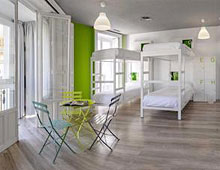 Budget accommodations
 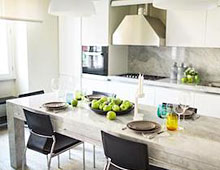 Apartments
  Family Hotel
 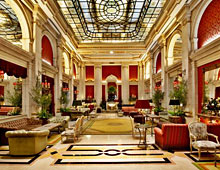 Luxury Hotel
 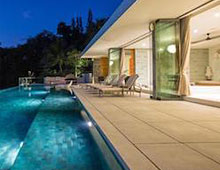 Resorts