Asty Hotel
Nicosia - 12, Pringipos Karolou Street.
Book now
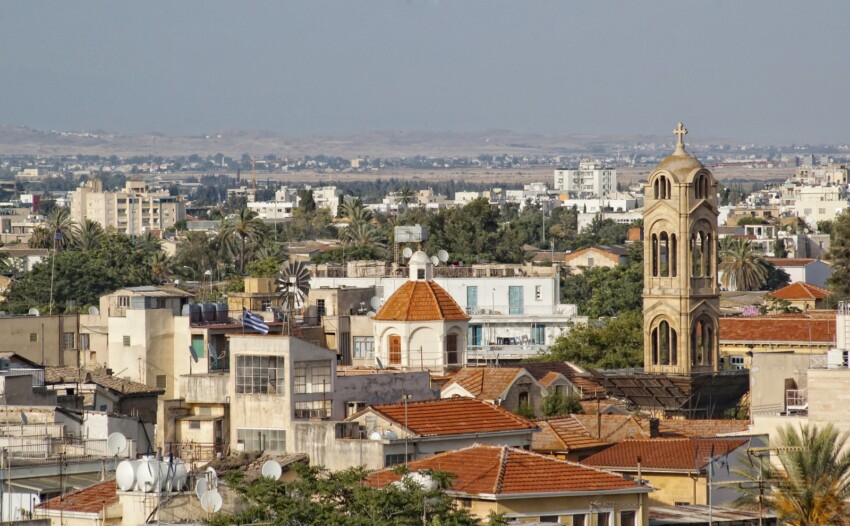
Nicosia (Lefkosia in Cypriot) is one of the European capitals most unjustly snubbed by tourists. It is the world’s last divided capital: a geographical, political and cultural divide between Greece and Turkey. For the tourist, this divide is an element that adds further fascination to this city with its millennial history, surprisingly rich in museums, monuments and cultural attractions.
Although the wounds left by the dramatic episodes of the Turkish occupation are still open, today Nicosia is a modern and lively city bustling with cultural ferment and nightlife. It really does not deserve the treatment most tourists give it, i.e. a quick half-day visit.
Stay longer, take advantage of the cheap hotel prices (much lower than on the coast) and fully savour the magical atmosphere of this undiscovered capital. When the heat gets too much, the beaches are only an hour’s drive away.
Pack comfortable shoes because between cultural visits, shopping and urban walks Nicosia will keep you busy for several hours a day. Here are the top attractions in the Cypriot capital.
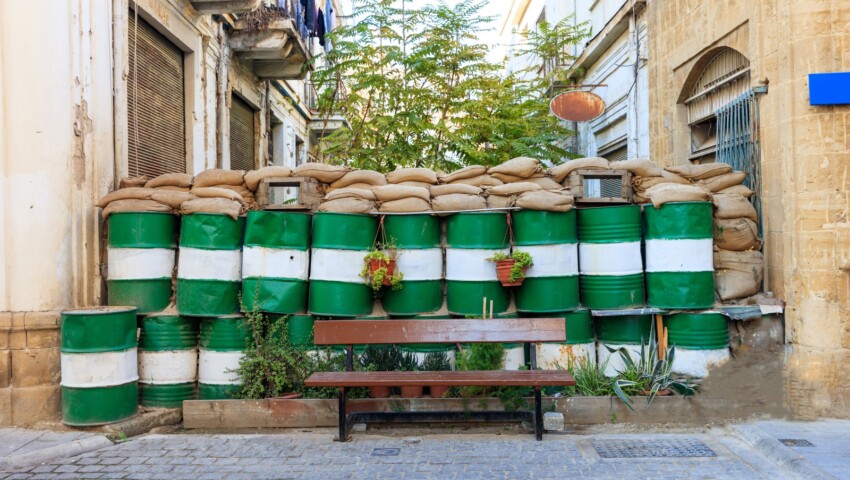
The Green Line is to Nicosia what the Wall was to Berlin. This name colloquially refers to the UN buffer zone that divides the city of Nicosia into two parts, one belonging to the Republic of Cyprus and the other to the unrecognised state of Northern Cyprus: a concrete reminder of the island’s division into two.
Just like the Berlin Wall, it has become one of the city’s main tourist attractions. It is not a dividing wall, however, but an area of the city within which it is possible to walk.
A walk inside the Green Line is a sometimes surreal experience: you will come across streets that lead nowhere, bordered by barricades that have been abandoned for decades and lined with decaying houses. In some places you will see the Greek flag flying, in others the Turkish flag.
It can hardly be called a picturesque area, but it is interesting to learn about the history of the island and try to identify with the lives of its inhabitants.
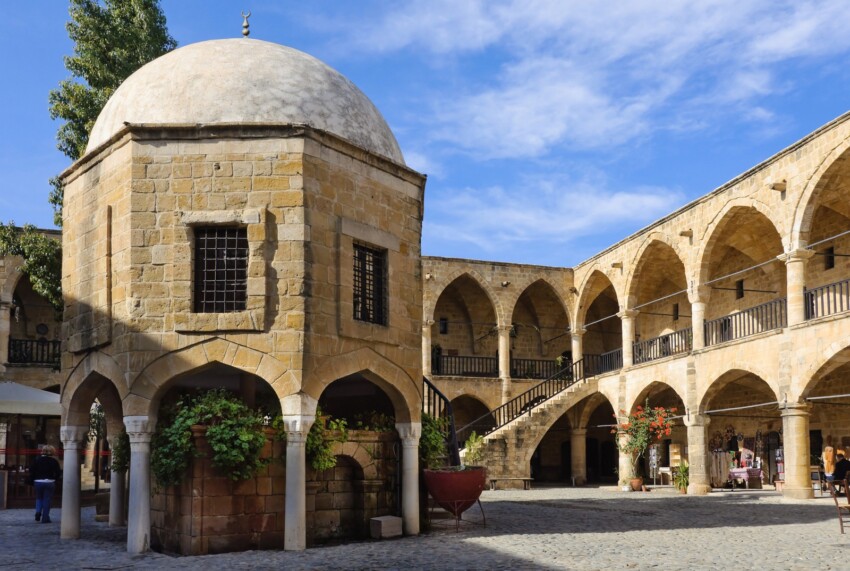
The Buyuk Han (sometimes referred to in guidebooks as the Great Inn) is a magnificent building in the Turkish part of Nicosia, considered to be one of the most beautiful buildings on the island: a caravanserai built by the Ottomans in 1572 that served as a place of rest and refreshment for merchants and travellers.
It takes the form of a two-storey building with an inner courtyard accessed through two doors, one to the east and one to the west. In the centre of the courtyard stands a tiny, graceful mosque. With its ancient stone walls, Byzantine arches and cool arcades adorned with plants and flowers, it is a really pleasant place to take beautiful pictures and rest a while.
Today, the rooms and flats where the merchants once slept house craft and souvenir shops and a café.
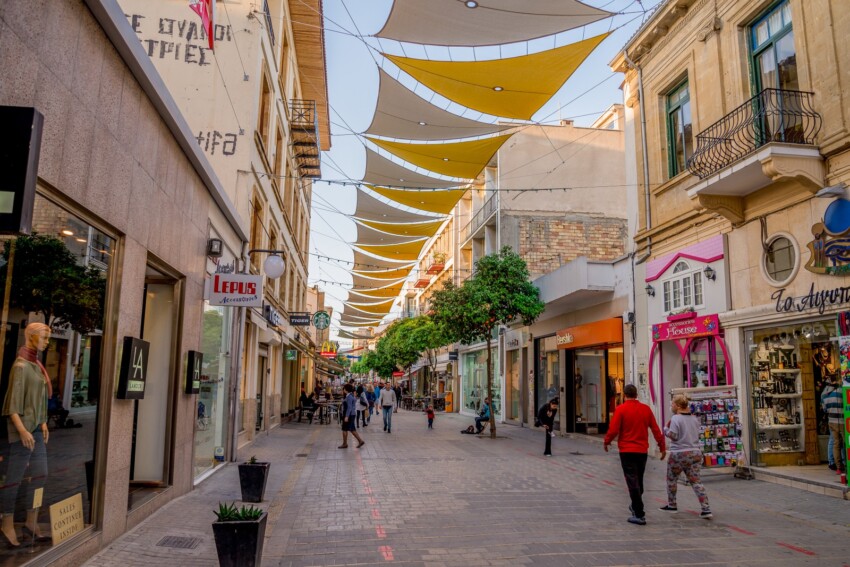
Lidras Street (sometimes referred to in guidebooks by the English name Ledra street) is the commercial heart of Nicosia: a pedestrian street in the old town lined with shops and bars, where Cypriots flock to shop and socialise. In summer, it is covered by tarpaulins attached to buildings on both sides of the street, creating a shaded area.
Ledra street is a nerve centre of city life but it also has an important symbolic value because a crossing point opens along the street, allowing one to pass from the Greek to the Turkish side.
Opened in 2008, the Ledra Street crossing point is the only pedestrian access within the city’s medieval walls.
The walls built in 1567 by the Venetians encircle the old part of Nicosia. They were built to defend the city from invasion but proved ineffective as the Ottomans defeated the Venetians only three years later.
In return, however, the walls withstood the passage of centuries and today we can still admire them almost intact. A walk along the walls is one of the unmissable experiences in Nicosia and if you are lucky, you may even catch an open-air show.
There are ten bastions along the walls, five of which fall in the southern (Greek) area and five in the northern (Turkish) area.
One of the most characteristic areas of Nicosia is the Chrysaliniotissa quarter, a residential area around the church of the same name squeezed between the end of the Old Town and the Green Line.
Its streets and alleys lined with tastefully restored early 20th century houses adorned with flowers are perfect for a relaxing city stroll.
The number of museums in Nicosia is truly impressive and testifies to the cultural vibrancy of this capital city that is still underestimated by tourists, ranging from ancient to contemporary art, folklore, national history, philately and more.
Here are the five most interesting museums in Nicosia:
If you have time, you can also take a look at these:
In terms of religious buildings, Nicosia can also boast a large number of interesting examples of high historical and artistic value. The religious architecture of Nicosia is also a valuable testimony to the mix of peoples and cultures that have succeeded one another over the centuries on the island of Cyprus.
During your visit to the city, take a look at its most beautiful churches and mosques:
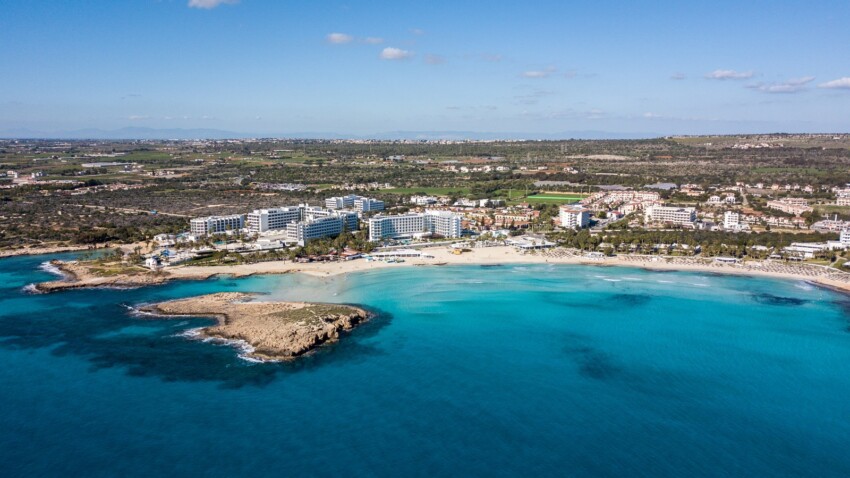
The city of Nicosia is located inland in Cyprus, about 50 km from the nearest beaches on the Greek side and about 30 km from those on the Turkish side.
The area of Ayia Napa is a little further away and can be reached in a little over an hour’s drive. It is known for the beaches of young people looking for nightlife, but along this stretch of coast it is also possible to find quiet beaches set in beautiful natural surroundings.
When it comes to choosing where to stay in Nicosia, the doubt that assails tourists is: Greek area or Turkish area? The Greek zone is the best choice for practical reasons (you’re inside the EU, you can pay in euros and you won’t be asked for your passport), but you’ll find a good choice of hotels, B&Bs and flats in both the Greek and Turkish zones.
Stay within the city walls if you want easy access to the main tourist attractions. Lidras Street and the nearby People’s Quarter are the areas where most of the hotels are concentrated.
Hotel prices in Nicosia are good, especially in summer when the city empties due to the heat.
The once busy Nicosia International Airport was closed in the 1970s following the Turkish occupation.
Today, the closest airport for those wishing to reach Nicosia is Larnaka; alternatively, one can take a flight to Pafos, which is, however, on the opposite side of the island.
From Larnaka airport, it is possible to get to Nicosia by a shuttle bus that runs 24 hours a day with trips approximately every hour. The journey time from the airport to Nicosia is about 35 minutes. Alternatively, it is possible to rent a car at the airport.
Local buses connect Nicosia to all major locations on the island.
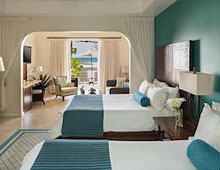 Hotel
Hotel 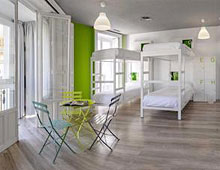 Budget accommodations
 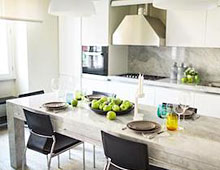 Apartments
  Family Hotel
 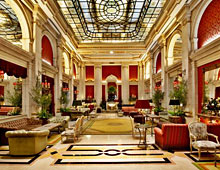 Luxury Hotel
  Resorts