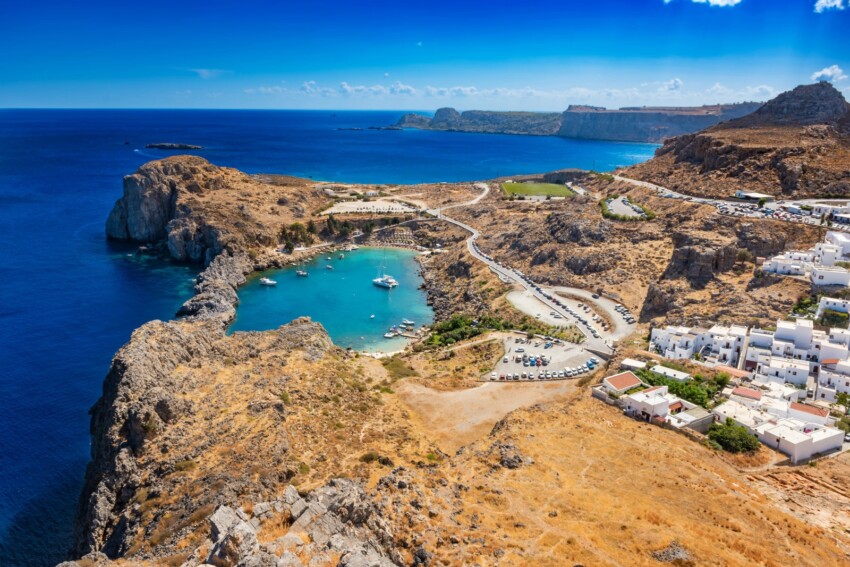
The Dodecanese islands represent one of the most fascinating archipelagos in Greece, located in the south-eastern Aegean on the border with Turkey. This group of twelve main islands and numerous smaller islets offers an extraordinary mix of thousands of years of history, medieval architecture and breathtaking natural landscapes.
The archipelago owes its name to the Greek ‘dodeka nesos’, which literally means ‘twelve islands’, although it actually comprises more than 160 islands and islets, of which only 26 are inhabited. Its strategic position has made it a crossroads of different civilisations: from the Knights of Rhodes to the Ottoman Empire, from the Italian occupation to the return of Greece in 1947.
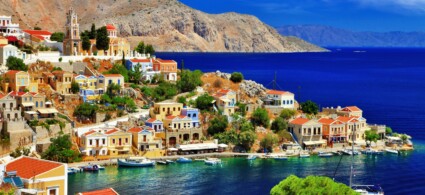
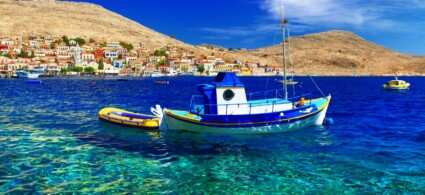
Rhodes, the pearl of the Dodecanese, is home to one of the best-preserved medieval cities in Europe and the archaeological site of Lindos. Kos, the island of Hippocrates, combines ancient history and lively nightlife. Karpathos keeps its folk traditions intact, while Symi enchants with its pastel-coloured neoclassical houses perched on the harbour.
The archipelago is distinguished by its archaeological richness and variety of landscapes: from the volcanic beaches of Nisyros to the crystal-clear waters of Halki, from the monasteries of Patmos to the natural hot springs of Kos. The Mediterranean climate guarantees over 300 days of sunshine a year, making these islands ideal to visit from April to October.
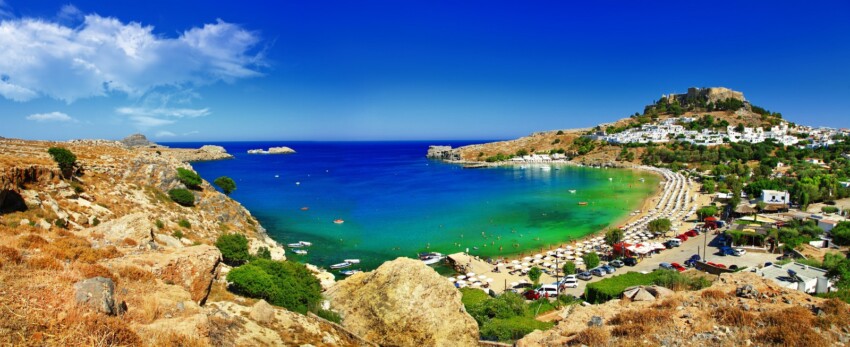
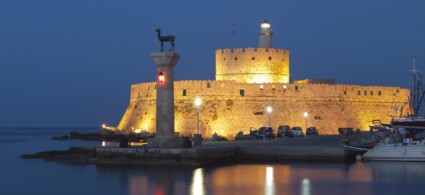
Rhodes is undoubtedly the queen of the Dodecanese, a UNESCO heritage site for its perfectly preserved medieval city. The Palace of the Grand Master dominates the upper town with its crenellated towers, while the Street of the Knights leads through seven centuries of history.
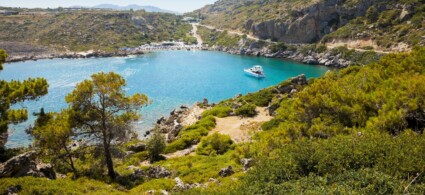
The archaeological site of Lindos offers spectacular scenery with its acropolis rising on a promontory 116 metres above the sea. Rhodes’ beaches cater to all tastes: from lively Faliraki to the quiet bays of the west coast. The Valley of the Butterflies offers a natural oasis unique in Europe.
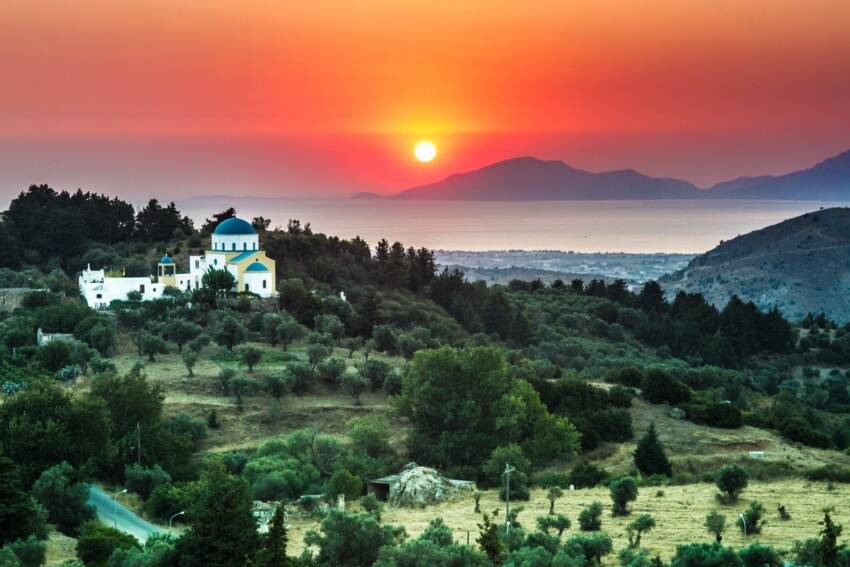
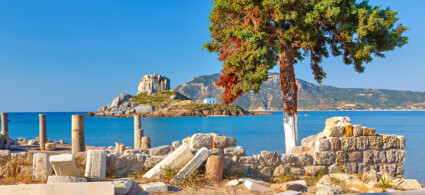
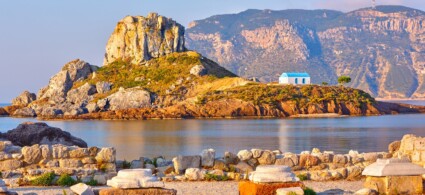
Kos, the island of Hippocrates, perfectly combines ancient history and modernity. The Asklepieion, sanctuary of Asclepius god of medicine, testifies to the importance of the island in the history of medicine. The Platanus of Hippocrates in the centre of Kos town is one of the oldest trees in Europe.
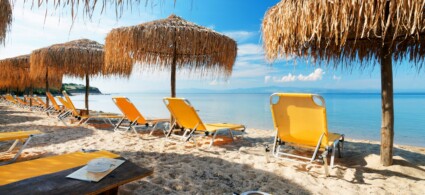
The beaches of Kos extend for kilometres: Paradise Beach attracts the young, while Therma amazes with its thermal springs that flow directly into the sea. The village of Zia offers unforgettable sunsets from Mount Dikeos.
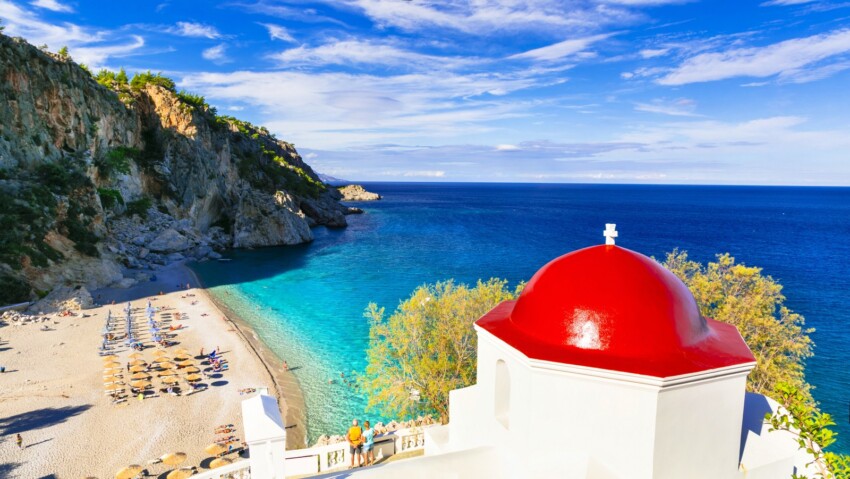
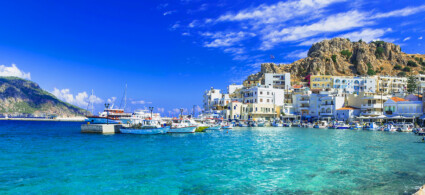
Karpathos retains the most authentic soul of the Dodecanese. The village of Olympos seems to stand still in time, with traditional houses and women still wearing the colourful costumes handed down through the centuries.
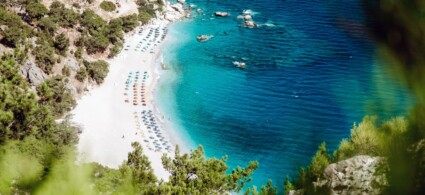
The beaches of Karpathos are a paradise for surfers and wilderness lovers. Apella Beach, with its golden sand and turquoise waters, is considered among the most beautiful in Greece.
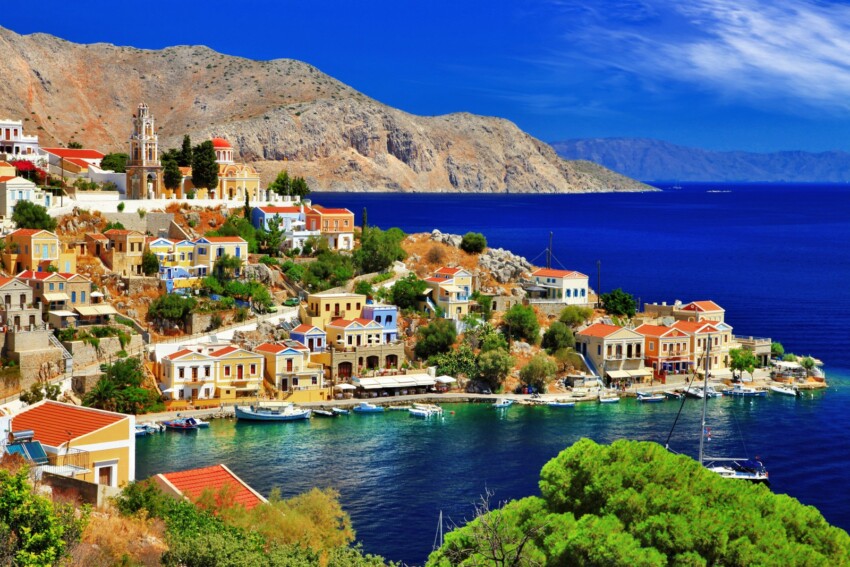
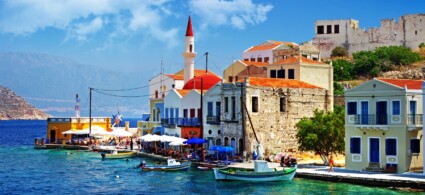
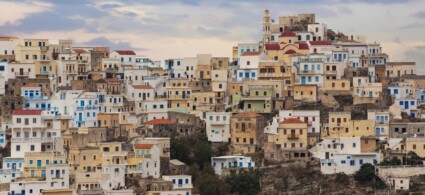
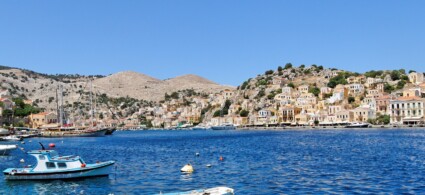
Symi immediately enchants with its neoclassical harbour with pastel-coloured houses climbing amphitheatrically up the hills. The Monastery of Panormitis, dedicated to the Archangel Michael, is one of the most important pilgrimage sites in Orthodox Greece.
The island’s architecture recounts centuries of prosperity linked to sponge fishing and shipbuilding. Small bays that can only be reached on foot or by boat offer crystal-clear waters in picture-postcard settings.
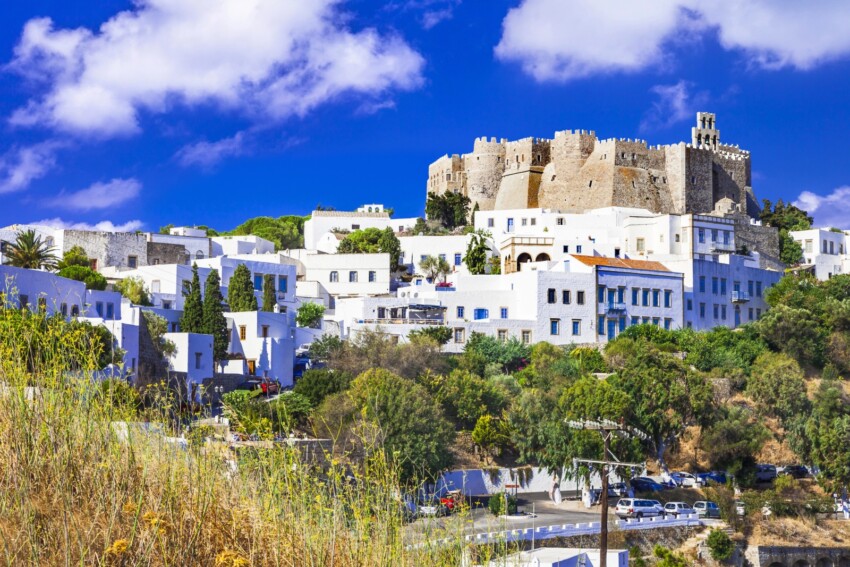
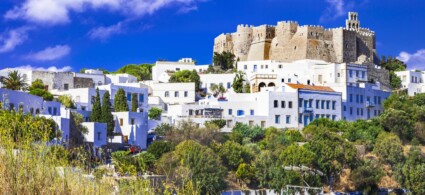
Patmos is the sacred island where St John the Evangelist wrote the Apocalypse. The Monastery of St John and the Cave of the Apocalypse are UNESCO World Heritage Sites and pilgrimage sites from all over the Orthodox world.
The village of Chora, built around the fortified monastery, retains its medieval atmosphere with cobbled alleys and traditional houses. The island’s beaches, such as Psili Ammos and Lambi, offer relaxation in unspoilt natural settings.
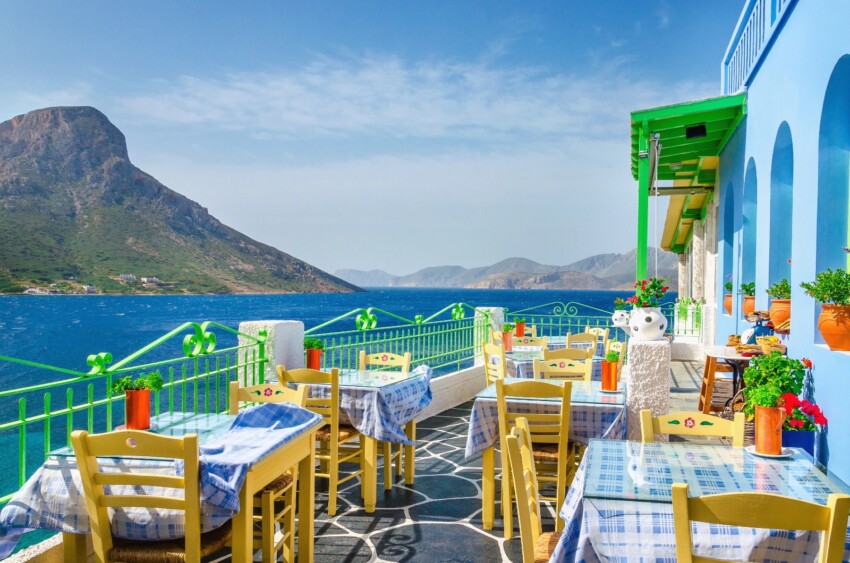
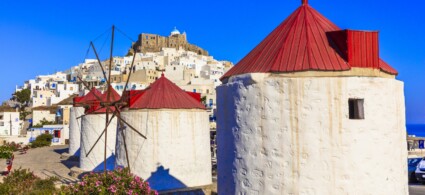
Astypalea, the ‘butterfly of the Aegean’ due to its distinctive shape, combines Cycladic architecture with wild nature. The Venetian kastro dominates Chora with its white walls, while the beaches on the south coast offer turquoise waters in sheltered bays. The island is a paradise for trekkers, with paths leading to abandoned monasteries and breathtaking views.
Kalymnos is world-famous for sport climbing and the tradition of sponge fishing. The Sponge Museum in Pothia recounts centuries of seafaring history, while climbing gyms attract climbers from every continent. The island’s beaches, such as Myrties and Masouri, offer crystal-clear waters with views of Telendos, a small island separated from Kalymnos by an earthquake in 554 AD.
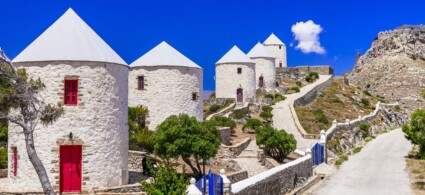
Leros seduces with its unspoilt nature and art deco architecture from the Italian era. The castle of Platanos offers spectacular views, while sheltered bays such as Alinda and Panteli are perfect for families with children. The island retains an authentic and relaxed atmosphere, ideal for those seeking a Greece off the beaten track.
Chalki is a tiny jewel with Emborio harbour and colourful neoclassical houses. Nisyros, a volcanic island, offers the unique experience of descending into the still active crater of the volcano.
Tilos is a green and mountainous island, a paradise for birdwatchers and trekkers. Small Agathonisi, Lipsi and Arki retain the charm of authentic Greece.
Air transport is the fastest way to reach the archipelago. Rhodes has the most important international airport in the region, served during the summer by numerous direct flights operated by low-cost and traditional airlines. The flight time is about 2 hours 45 minutes from Milan or Rome.
Kos is also well connected during the summer months, while Karpathos offers more limited seasonal connections. During the winter months, many direct flights are suspended and a stopover in Athens becomes necessary.
For islands without an airport, sea transport remains the only option. The main port for connections to the Dodecanese is Piraeus in Athens, from where regular ferries leave for all the larger islands of the archipelago.
Rhodes serves as a real maritime hub for the entire Dodecanese: frequent connections to all the smaller islands depart from the Knights’ Island. Kos is also an important hub, particularly for the islands of the northern group.
Ferry times vary considerably depending on the type of vessel and weather conditions. From Piraeus to Rhodes takes 11 to 15 hours with conventional ferries, while modern hydrofoils reduce the time to around 9 hours. To reach Kos calculate 10 to 12 hours of sailing time.
Inter-island connections are generally faster: from Rhodes to Symi it takes 50 minutes, while Karpathos takes about 6 hours. The smaller islands can often only be reached with 2-3 connections per week, making careful planning necessary.
Those wishing to explore the Dodecanese in their own vehicle can rent a car directly on the island of their choice, taking advantage of the many local agencies and competitive rates, especially if booked online in advance.


 Hotel
Hotel  Budget accommodations
  Apartments
  Family Hotel
  Luxury Hotel
  Resorts