Pylaia Boutique Hotel & Spa
Astypalaia Town - Chora
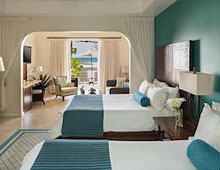
Pylaia Boutique Hotel is a luxurious new hotel in the island of Astypalea, just 300m from Livadi beach.
Book now
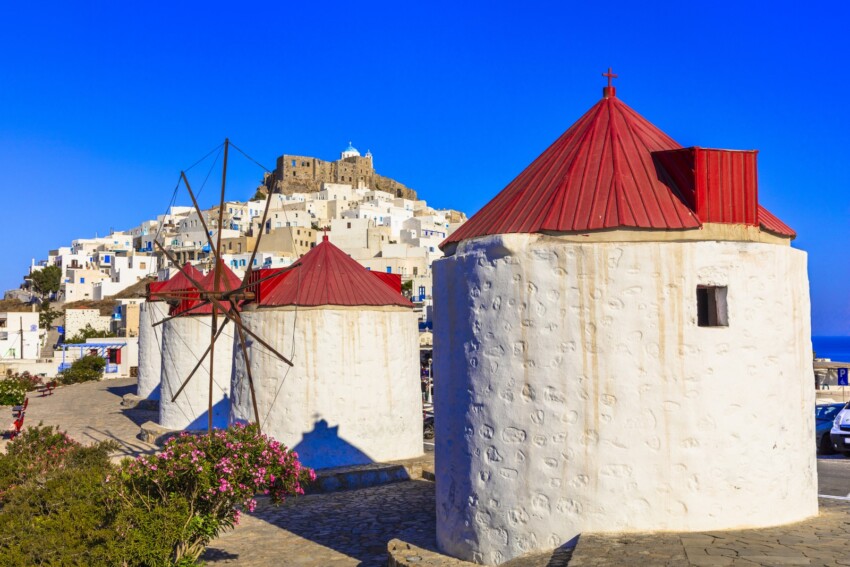
An island with a bizarre H or butterfly shape that for decades has enchanted walkers and campers and that today wants to raise its game a little, opening boutique hotels and cocktail bars: this is Astypalea (or Astypalaia), one of the few last hidden treasures of the Greek islands.
A destination for purely domestic tourism, Astypalea is the right place for those who want to get in touch with an authentic Greece, not yet distorted by mass tourism.
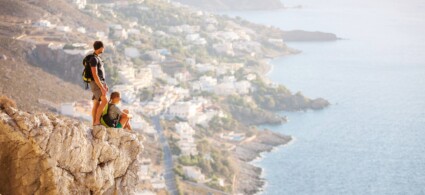
It is a remote island with few maritime connections and few roads. Its dirt tracks and steep climbs put a strain on mopeds, which the locals recommend only for riding on asphalt. But there is little asphalt, so it is better to get around Astypalea in a 4×4 or take wonderful boat trips to the most beautiful beaches. For the lazy ones, there is also the option of staying in a lovely seaside resort like Livadi and limiting your commute to a lazy to-and-fro from your hotel to the beach.
It is particularly suitable for couples and families with children, while young people in search of nightlife will find it a little too quiet for their taste: traditional taverns and not discos are where they spend the evenings of their holiday.
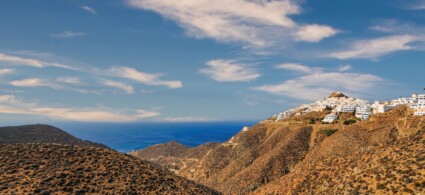
For those not looking for nightlife but who want to rediscover a taste for simple pleasures, Astypalea offers breathtaking scenery: mountains, grassy meadows, wild beaches washed by a blue sea and a cascade of white houses perched on the slopes of a hill cascading down towards the harbour.
Ironically, this Dodecanese island still little known to international travellers is very reminiscent in its architecture of the Cyclades, the picture postcard Greece. Same charm, less crowds. Fewer services, too, but there is everything you need to experience a dream holiday.
Astypalea boasts a large number of beaches, very different from each other, but with some features in common: they are very beautiful, they are washed by crystal-clear sea and they are not close to built-up areas, with the exception of the Livadi and Maltezana beaches. The latter in particular is recommended for families with small children because of its shallow waters; at the other beaches, they usually drop off rather quickly.
You should therefore plan on having to use a car or bus to reach the most beautiful beaches; some of the most famous can be reached by boat or gulet from the centre of the island.
Two lovely sandy beaches are Agios Konstantinos and Kaminaki, both quite long, with deep waters and a simple taverna. Not far from Agios Konstantinos is the beach of Tzanaki, often frequented by nudists.
A very special beach is Steno, a tongue of sand bathed by the sea on both sides. It is the strip of land that joins the two wings of the butterfly, or the two sides of the letter H.
For those who like pebble beaches, we instead recommend Vatses, about a hundred metres long and bordered by gentle hills. The sea in this stretch takes on a beautiful emerald green colour.
What tourists love about Astypalea is its authentically Greek pace of life. Don’t expect a wild nightlife, but your evenings will invariably end late at night, after spending hours chatting with some locals. Keep in mind that people eat very late in Greece and it is not uncommon to finish a normal dinner at midnight.
As far as cultural attractions are concerned, however, Astypalea has little to offer apart from the inevitable archaeological museum that you will find on almost every Greek island. The highlights of the collection here are a small bronze statue from Roman times depicting the goddess Aphrodite and two Mycenaean tombs.
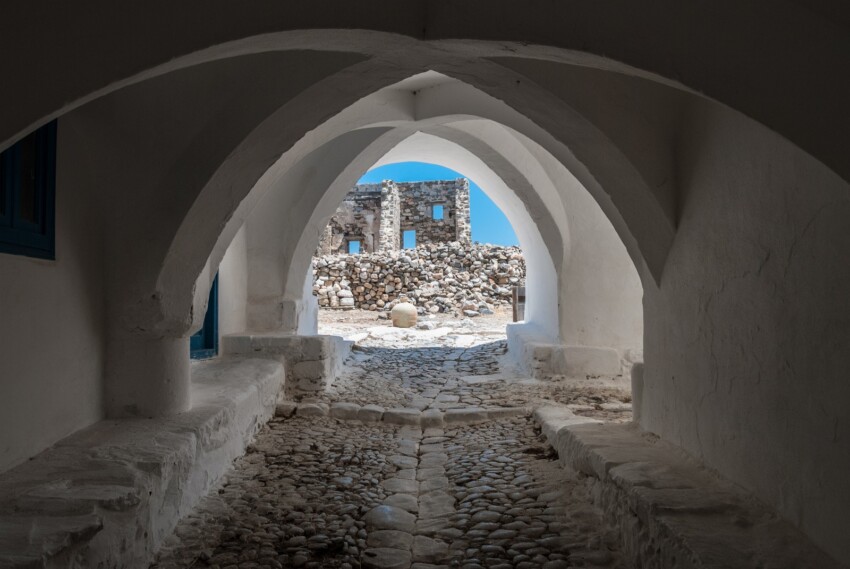
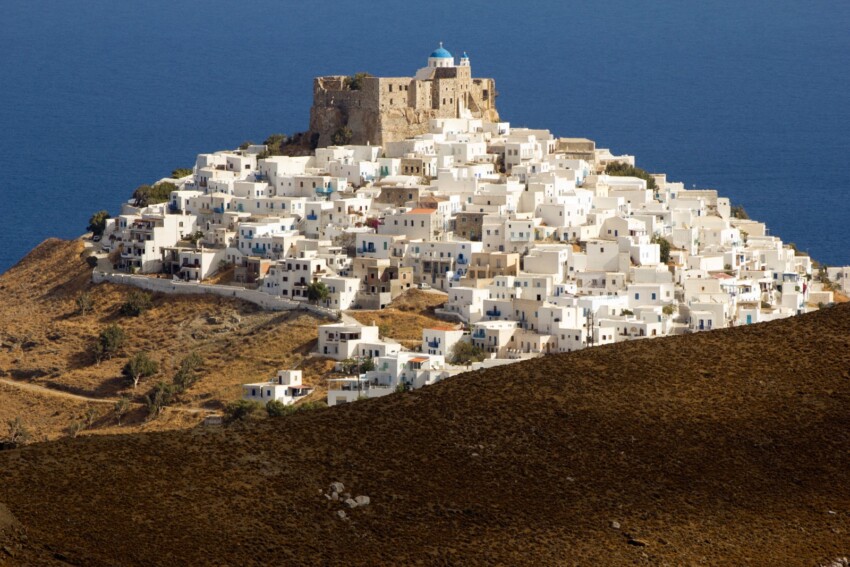
The architectural marvel of this island is the Venetian fortress built in the early 15th century by the noble Quirini family. In its heyday, this defensive construction was able to accommodate up to 8000 people inside. Its inhabitants resisted the constant threat of pirates, but could do nothing against the terrible earthquake of 1956, which caused the houses incorporated into the outer walls to collapse.
Despite this, the castle is still well preserved and is an impressive sight and a magnificent vantage point from which to view the Chora and the sea. Inside you can also visit the characteristic Panagia Kastriani church.
Holiday accommodation in Astypalea is mainly studios, flats and rooms with private individuals at very affordable prices. A couple of boutique hotels and villas with rooftop pools have recently opened, but don’t expect to find the luxury and glamour of Santorini.
Most of the hotels and flats for tourists are concentrated in the main settlements of Astypalea, now merged into a kind of two-sided entity: Pera Gialos and Chora.
Pera Gialos (also called Skala) is the characteristic harbour area, where a few hotels, numerous bars, taverns and typical souvenir shops are concentrated. It has a lovely waterfront promenade and a city beach perfect for a quick stop.
The Chora is the old town, built around a Venetian fortress that can still be visited today: a picturesque village of whitewashed houses, with romantic corners, breathtaking panoramic views and pretty little places to eat and drink.
Neither Pera Gialos nor Chora are rowdy and fashionable, but if for you the concept of a holiday is maximum tranquillity, you can take refuge in the villages of Livadi and Maltezana (also called Analipsi), each located on a different side of the H (or butterfly wing, depending on what the shape of the island reminds you of most!).
Here you will find essential amenities and a handful of bars; Chora is not far away (about fifteen minutes by bus) so if you need anything, it won’t be hard to get it. An advantage of staying in either of these two resorts is that you won’t need a car to get to the beach.
We offer a selection of hotels at Astypalea to suit all categories of travellers. The most booked by tourists are the sea-facing hotels, often right on the beach. If you want to play it safe, choose one of the following: they are among the most booked hotels in Astypalea, sorted by number of reviews.
If you prefer space, privacy and the ability to prepare your own meals to a hotel holiday, book a holiday home at Astypalea. We recommend a few below, but in this case we advise you to book early because houses and apartments for rent at Astypalea are in high demand.
The island of Astypalea has a small airport that is only served by domestic flights. The easiest way to get to Astypalea is therefore to take a flight to Athens, a city served by several low-cost airlines, and from there a domestic flight to your final destination.
Astypalea can also be reached by plane from the nearby islands of Leros, Kalymnos, Kos and Rhodes. Bear in mind that domestic flights are served by small planes with a limited number of seats, so it is a good idea to book well in advance.
Arriving by ferry is more difficult as connections are not frequent and the sea crossing is very long. Ferries to Astypalea leave from Athens (about 11 hours), from the Dodecanese islands (from Rhodes, Kos, Kalymnos, Nysiros, Tilos) and from some of the Cyclades islands (Paros, Naxos, Amorgos and Donoussa).
A local ferry also operates between Astypalea and the island of Kalymnos without intermediate stops. The journey time is about three hours.
Astypalea is an island in the Dodecanese, the Greek archipelago located in the south-eastern Aegean, closer to Turkey than to mainland Greece. Among the neighbouring islands, the most famous are Kos and Ios.
 Hotel
Hotel 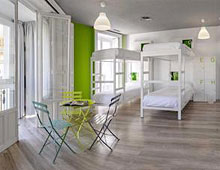 Budget accommodations
 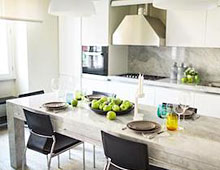 Apartments
 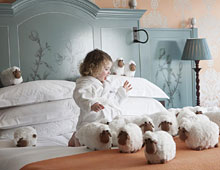 Family Hotel
 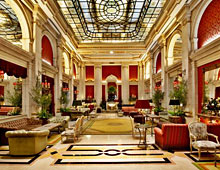 Luxury Hotel
 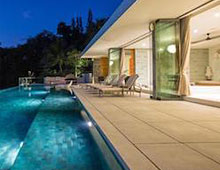 Resorts