The magnificent beaches are the pride of the island of Karpathos in the Dodecanese. Due to its remote location, local traditions and customs are still alive.
Karpathos, the second largest island of the Dodecanese, stretches 324 square kilometres between Rhodes and Crete, offering a perfect balance of authentic tradition and breathtaking natural beauty. The island captivates visitors with its turquoise-water beaches, mountain villages where time seems to stand still and ideal conditions for windsurfing thanks to the meltemi.
The village of Olympos, perched at an altitude of 300 metres, is a unique ethnographic treasure in the Mediterranean, where women still wear traditional embroidered costumes and speak a dialect that retains elements of ancient Greek. The beaches of Karpathos range from the sheltered bays of Kyra Panagia to the wild cliffs of Achata, accessible only by sea.
The island retains an authentic, non-tourist mass character, while offering direct air connections and modern facilities in the capital Pigadia. The mountainous morphology culminates in Mount Lastos (1,215 metres) and creates different microclimates that allow one to always find a beach sheltered from the wind.
When to visit Karpathos
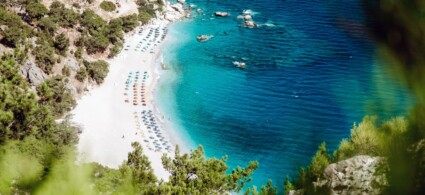
Kyra Panagia Beach
Choosing the best time to visit Karpathos depends on your priorities: sea, water sports, culture or tranquillity. The island enjoys a Mediterranean climate with over 300 days of sunshine a year and the characteristic meltemi that blows from the north-west from May to September.
April-May is the ideal time for nature lovers and trekkers. Temperatures range between 18-24°C, the Mediterranean macchia is in bloom and the island is virtually deserted. Many facilities open after Easter, but some remote beaches may not have services. The sea reaches 18-20°C, cool but pleasant for those who are not afraid of sparkling water.
June-August is the peak tourist season, with temperatures reaching 28-32°C and the meltemi at its strongest. This is a paradise for surfers: Lefkos and the west coast offer constant wind and perfect conditions for windsurfing and kitesurfing. The sea reaches 24-26 °C, ideal for long swims. Traditional festivals are concentrated in this period, culminating with the Panigiria on 15 August in Olympos.
September-October offers the best conditions for those seeking the perfect balance. The meltemi subsides, the sea is still warm (22-24°C), prices fall and crowds decrease. Daytime temperatures remain around 24-28°C, perfect for alternating between the beach and hiking. Many facilities remain open until the end of October.
November-March is not recommended for beach tourism. Many hotels, restaurants and sea connections are suspended or reduced. However, for those looking for an authentic experience and not afraid of variable weather, winter offers the chance to experience Karpathos like the locals, with very low prices and a genuine atmosphere.
Things to do in Karpathos
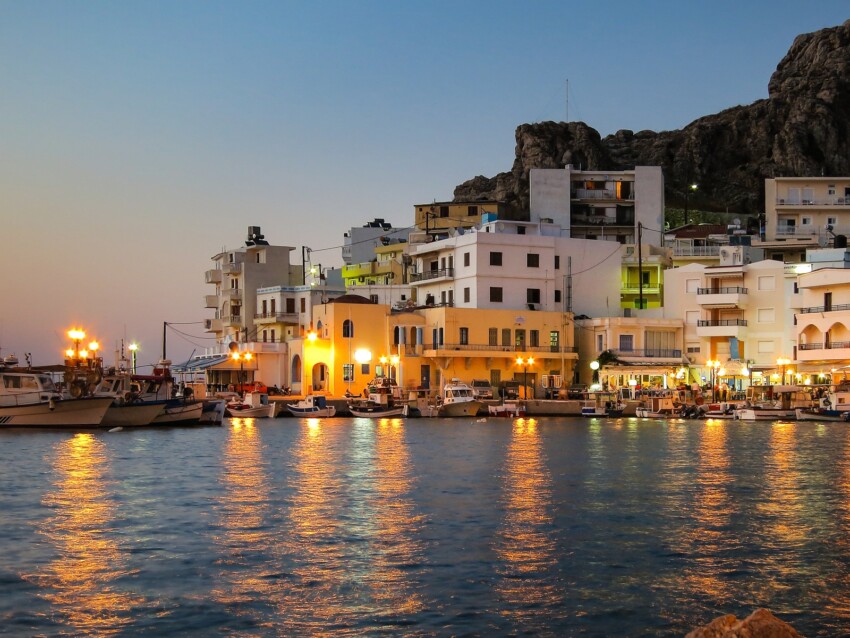
View of Pigadia, or Karpathos Town
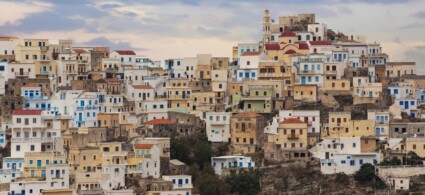
Karpathos offers a varied cultural and natural heritage, where thousand-year-old traditions intertwine with wild landscapes of rare beauty. The village of Olympos, perched on the island’s northern mountains at an altitude of over 300 metres, is one of the Mediterranean’s most precious ethnographic treasures, where the women still wear traditional hand-embroidered costumes and speak an archaic dialect that retains elements of ancient Greek. The village’s traditional houses, built from local stone and pine wood, retain their original architecture with inner courtyards and still functioning wood-burning ovens.
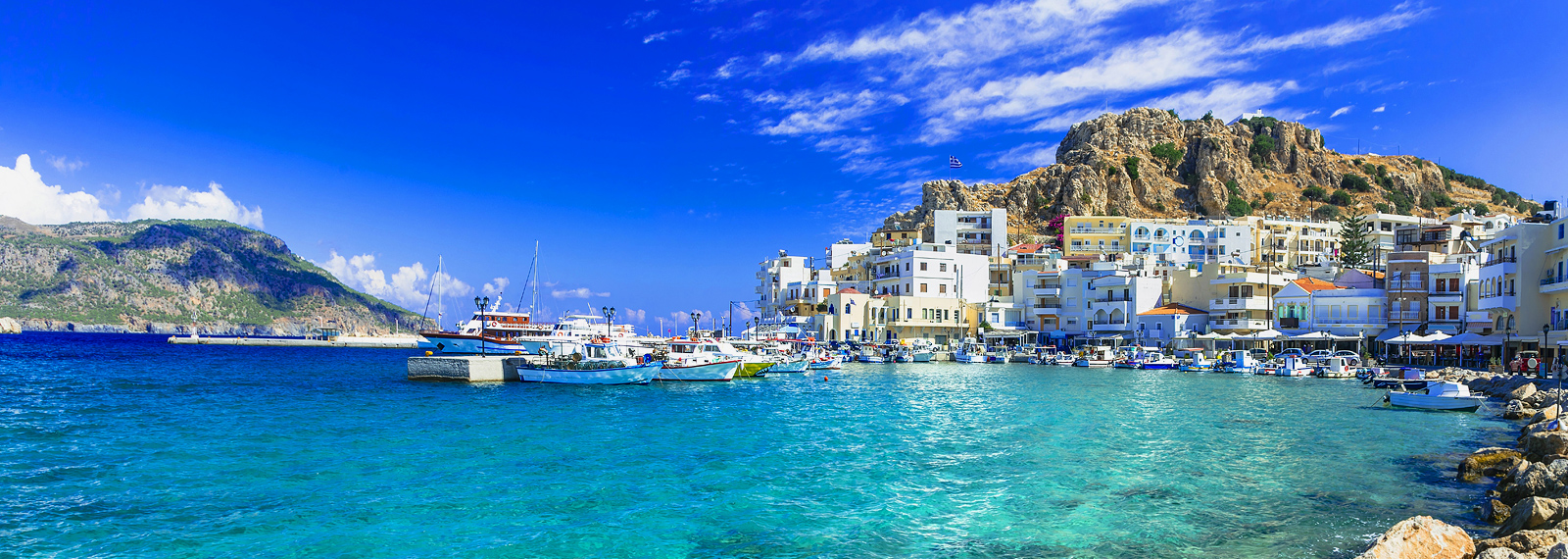
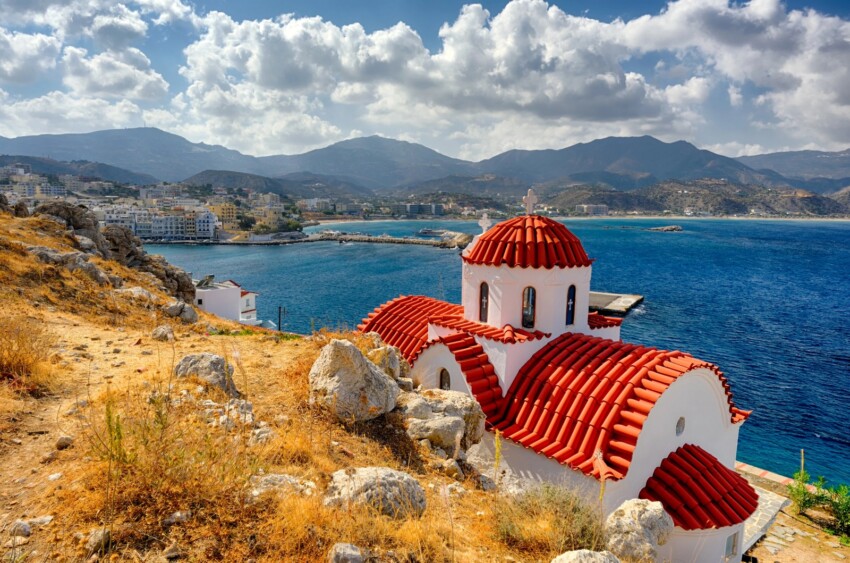
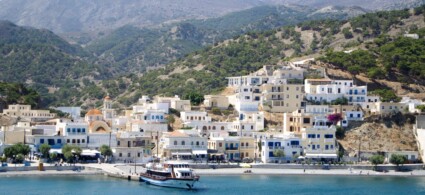
Thecapital Pigadia is distinguished by its semi-circular natural harbour, one of the most protected in the Dodecanese, surrounded by golden beaches and dominated by the 15th century Venetian Fortress that guards the southern entrance to the island. The old town retains neoclassical architecture and traditional houses painted in the pastel colours typical of Greek islands, while the morning fish market offers an authentic insight into local life. The perfectly preserved windmills of Menetes, some of which are still working, testify to the importance of traditional agriculture in the island’s economy, particularly the cultivation of wheat and barley.
The mountainous hinterland reveals a network of ancient paths through centuries-old pine forests and Mediterranean maquis perfumed with thyme and oregano, leading to authentic villages such as Aperi, famous for its 19th-century manor houses, and Volada, where time seems to stand still amid cobbled lanes and shady squares. The Byzantine churches scattered around the island, such as Agia Fotini with its perfectly preserved medieval frescoes, and the Panagia tou Vrokou, hidden among the pine trees, narrate centuries of devotion and sacred art. The Folklore Museum of Olympos houses a unique collection of costumes, traditional utensils and manuscripts documenting local culture.
Hiking and trekking in Karpathos
The mountainous morphology of Karpathos offers exceptional opportunities for trekking and hiking, with paths through wild landscapes, centuries-old pine forests and spectacular views of the Aegean Sea. The island has a network of ancient paths that were historically used to connect villages and reach pastures and water sources.
The path to Mount Lastos (1,215 metres) represents the most demanding challenge on the island. The route starts in Volada and takes about 4-5 hours to walk there and back, passing through pine forests, scenic clearings and rocky areas. The summit offers 360° views of the entire Dodecanese archipelago and, on a clear day, you can see Rhodes, Crete and even Turkey. Equip yourself with hiking shoes, plenty of water and sunscreen.
The Olympos-Diafani trail is more accessible but just as spectacular: 6 kilometres of descent through abandoned terraces, Byzantine chapels and breathtaking coastal views. The route takes 2-3 hours and ends in the picturesque port of Diafani, where you can refresh yourself in local tavernas before returning by bus or taxi.
The Saria Gorge offers a unique excursion to theuninhabited island of Saria, which can be reached by boat from Diafani. Paths lead to the remains of the ancient city of Nissyros, with ruins from the Classical and Hellenistic periods surrounded by Mediterranean scrub. The hike combines history, nature and the thrill of exploring a completely wild island.
For families and beginners, the Waterfall Trail from Kyra Panagia leads to small seasonal waterfalls (active from January to April) through a green and shady canyon. The trail is easy, takes one hour and offers refreshment in the warmer months.
Beaches of Karpathos
Apella Beach
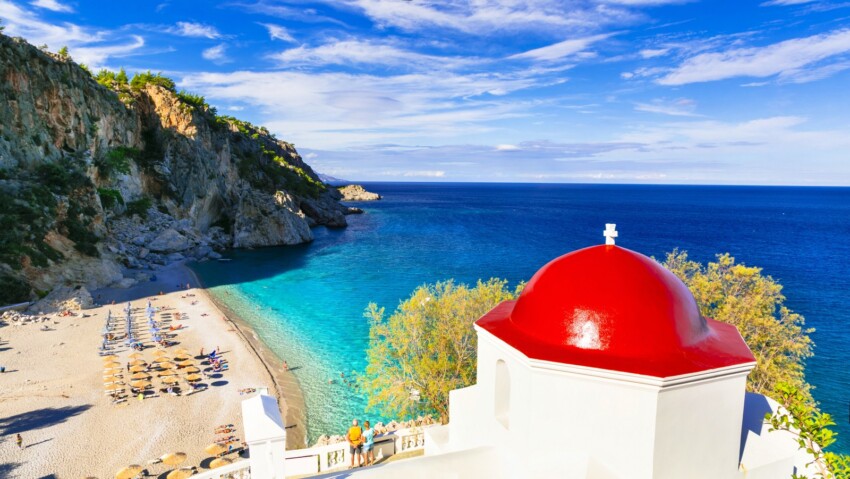
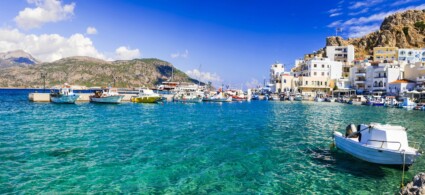
The beaches of Karpathos embody the extraordinary geological diversity of the island, alternating between rocky shores battered by northern winds and sheltered bays with crystal-clear waters ranging from turquoise to deep blue. Kyra Panagia, in the south of the island, seduces with its fine golden sand and turquoise waters protected from the meltemi, the summer wind that characterises the Aegean, creating an ideal microclimate for families with children. The beach is surrounded by natural dunes and Mediterranean vegetation that provides natural shade during the hottest hours.
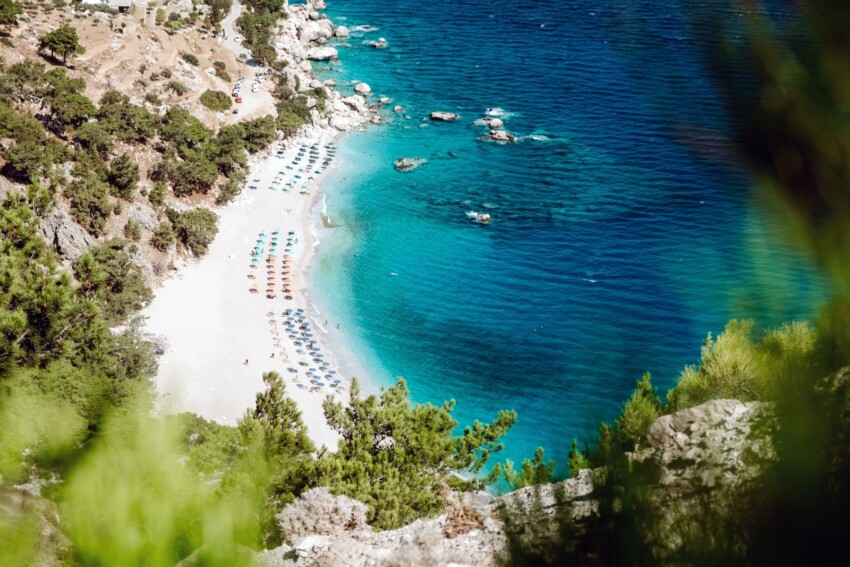
The beach of Apella is characterised by its natural amphitheatre shape, considered one of the most beautiful in the Dodecanese, surrounded by white limestone cliffs and centuries-old maritime pines that are reflected in deep blue, transparent waters. The gradually sloping rocky seabed makes it ideal for snorkelling, revealing an exceptional marine biodiversity with colourful fish, sea urchins and posidonia meadows. Achata Beach, accessible only by sea or via a 20-minute scenic path, offers a wilder and more unspoilt experience, frequented mainly by locals and experienced hikers.
The western shoreline presents completely different characteristics, shaped by the constant action of the mistral winds that create ideal conditions for water sports. Lefkos has become a popular destination for windsurfers and kitesurfers, with specialised schools and equipment for hire. The constant wind conditions from April to October and the shallow waters in the protected areas create a perfect environment for beginners and experts alike.
Diakoftis combines fine amber sand and calm waters in a naturally protected bay, ideal for those seeking relaxation and tranquillity away from the crowds. Amoopi, on the other hand, offers a series of interconnected coves, each with unique characteristics of sand, exposure and protection from the winds, allowing you to choose your ideal location according to weather conditions. Finiki beach, in the picturesque fishing port of the same name, combines the convenience of facilities with the beauty of an authentic seaside village, where seaside tavernas serve freshly caught fish.
Nightlife and entertainment
The nightlife of Karpathos reflects the authentic and relaxed character of the island, far from the hustle and bustle of more touristy destinations but rich in genuine experiences and quality entertainment. The island offers unforgettable evenings among traditional tavernas, panoramic bars and beach clubs.
Pigadia concentrates most of the nightclubs along the seafront and in the narrow streets of the centre. The Café del Mar overlooking the harbour serves creative cocktails accompanied by Greek aperitifs, while the Oasis Bar features live music at weekends with local and international artists. For those seeking a more sophisticated atmosphere, the rooftop bar at the Hotel Poseidon offers panoramic views of the gulf and signature cocktails with local ingredients.
Traditional taverns become the hub of evening social life. In Menetes, Taverna Manolis organises evenings with folk music and traditional dances, especially during religious festivals. The locals come together spontaneously, creating an authentic and engaging atmosphere that allows visitors to experience true Karpathian culture.
Olympos offers a unique night-time experience: during traditional festivals (especially on 15 August), the village comes alive with ancient songs, costumed dances and celebrations that last all night long. Elderly women sing epic ballads passed down orally for centuries, while young people play traditional instruments such as the lyre and tsambouna.
Summer festivals are the highlight of the nightlife: in addition to the Panigiria in August, there are gastronomic festivals, concerts of traditional and modern music, and open-air theatre performances. The Fishing Festival in Finiki (July) combines fresh fish tasting, live music and dancing until dawn.
Where to stay in Karpathos
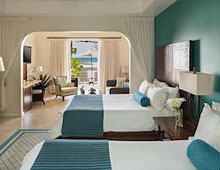
Accommodation on Karpathos is mainly concentrated in the capital Pigadia and along the southern coast of the island, where you will find boutique hotels, family pensions and flats with sea views. Pigadia is the most convenient choice for those seeking services, restaurants and connections, with facilities ranging from modern hotels on the seafront to renovated traditional houses in the old town. The harbour district offers the greatest concentration of accommodation, ranging from budget guesthouses run by local families to superior hotels with swimming pools and spas.
The area of Amoopi, a few kilometres from the capital, attracts those who prefer the tranquillity of small bays, with seaside resorts and private villas surrounded by the Mediterranean. Flats and studios in this area often have panoramic terraces and direct access to the beaches. For a more authentic experience, some farmhouses inland offer traditional accommodation surrounded by olive groves and vineyards, perfect for those who want to immerse themselves in the local culture.
The north of the island, including Olympos, has more limited but extremely characteristic options, with museum houses and bed & breakfasts that allow you to experience the traditional village atmosphere. Beaches on the west coast such as Lefkos have small specialised facilities for water sports enthusiasts, often run by the windsurfing and kitesurfing schools themselves. During the high season it is advisable to book in advance, especially for the more characteristic facilities and those with privileged seafront locations.
We offer best rates If you find it cheaper we refund the price difference.
Free cancellation Most properties allow cancellation without penalty.
We're available 24 hours a day For any problem call Booking.com.
Recommended hotels in Karpathos
We offer a selection of hotels at Karpathos to suit all categories of travellers. The most booked by tourists are the sea-facing hotels, often right on the beach. If you want to play it safe, choose one of the following: they are among the most booked hotels in Karpathos, sorted by number of reviews.
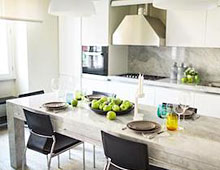
If you prefer space, privacy and the ability to prepare your own meals to a hotel holiday, book a holiday home at Karpathos. We recommend a few below, but in this case we advise you to book early because houses and apartments for rent at Karpathos are in high demand.
The Greek island of Karpathos is really easy to get to, there are basically two means of transport depending on your needs: plane and ship.
Flights to Karpathos
Flying to Karpathos is very easy and often cheap, thanks to some direct routes opened by low-cost airlines. The alternative is to fly to Athens, which can be reached in various ways from various airports, and continue with an internal flight. Note that this is the only way to get to Karpathos by plane outside the tourist season.
Ferries to Karpathos
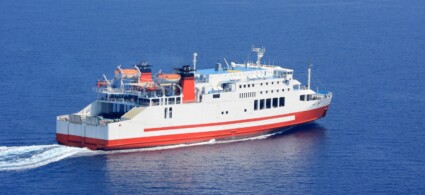
But perhaps the most exciting way to reach Karpathos in summer is by ferry. The island is located halfway between Rhodes and Crete and can be reached rather easily from Heraklion (the capital of Crete) and the port of Rhodes in a few hours by ferry. This will then allow you to even construct a holiday involving two islands, perhaps choosing Rhodes or Crete – and why not both – for entertainment and then Karpathos for relaxation.
The longer but perhaps more fascinating alternative is to leave by ship from Piraeus, the port of Athens. In this case the journey will be even longer, allow at least 12 hours or even more passing through the Cyclades and the Dodecanese; but it will certainly be a very exciting and special experience.
Getting around Karpathos
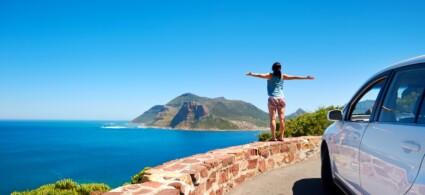
Renting a car in Karpathosis practically indispensable for exploring the island in freedom and reaching the most beautiful beaches. Car hire companies are concentrated at the airport and in the centre of Pigadia, with rates ranging from €25-45 per day in high season. Booking online in advance guarantees better prices and availability, especially for 4×4 vehicles needed for some dirt roads.
The road network of Karpathos has specific characteristics: the main road runs along the east coast from Pigadia to Olympos, well paved but winding in the mountains. The roads to the western beaches (Lefkos, Finiki) are more challenging, with unpaved sections in the last few kilometres. Fuel is only available in Pigadia and Olympos, so always fill up before setting off on long excursions.
Public transport is limited to a few bus lines connecting Pigadia with the main centres: Piles, Aperi, Volada and Olympos. The service operates mainly in the mornings and late afternoons, with reduced runs at weekends. For evening travel or to remote beaches, the car remains the only practical option.
Taxis and transfers are available but expensive for long distances. A Pigadia-Olympos ride can cost €50-70, while the airport is only 15 minutes from the centre. Some hotels offer shuttle services to the airport and the main beaches.
Boat trips depart daily from Pigadia and Diafani to beaches inaccessible by land such as Achata and Kato Lakos. These boat taxis are often the only way to reach remote coves and offer an unforgettable panoramic experience of Karpathos’ wild coastline.
Karpathos Weather
What's the weather at Karpathos? Below are the temperatures and the weather forecast at Karpathos for the next few days.



 Hotel
Hotel 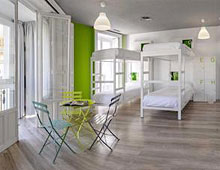 Budget accommodations
  Apartments
  Family Hotel
  Luxury Hotel
  Resorts