Ibiscus Hotel
For those who love sea holidays but need a break from the beaches every now and then, Rhodes is an ideal destination. Large in size and with a history stretching back thousands of years, the largest island of the Dodecanese offers a long list of things to see in addition to its enchanting beaches.
Lovers of art, history and architecture can spend a big chunk of their holiday visiting museums, monuments, churches and archaeological sites. The city of Rhodes alone would merit a day, and another half the fascinating Lindos!
For those with a limited tolerance for heat, the forests of the hinterland offer pleasant shelter from the heat thanks to their shady plants and bubbling springs. And if cultural visits and walks are not enough for you, you can always add an unforgettable boat trip to your travel programme.
Here are the must-see attractions in Rhodes to alternate with well-deserved hours of total laziness on the island’s most beautiful beaches for a fabulous holiday.
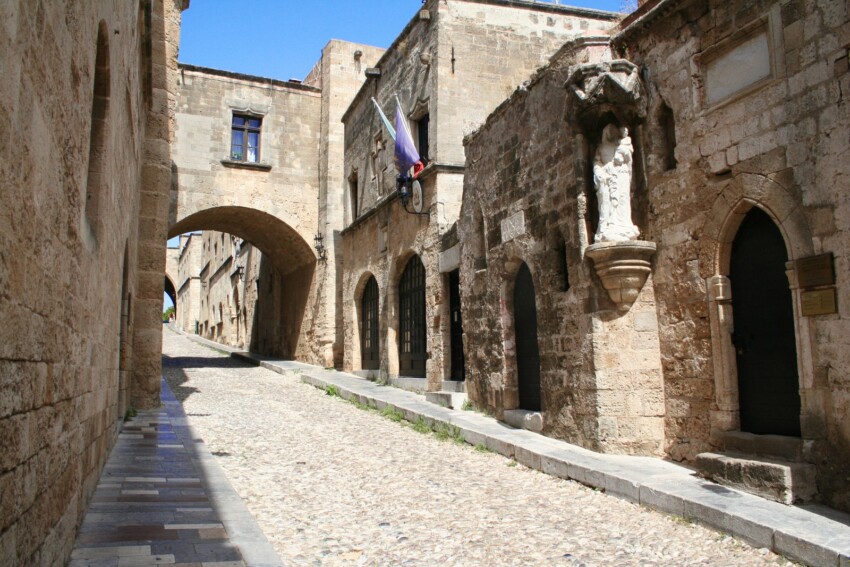
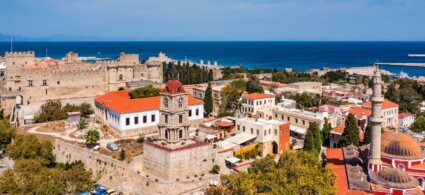
Whether you stay on the island for a day or ten, Rhodes Town is a must-see. You won’t find the famous Colossus, the gigantic statue considered one of the Seven Wonders of Time (it collapsed more than two thousand years ago), but you can visit the Old Town, a treasure chest containing numerous treasures such as the Palace of the Grand Masters, the Street of the Knights, the Turkish Quarter and the Jewish Quarter.
For a marvellous view of Rhodes’ historic quarters, take a walk along its perfectly preserved mighty walls.
A completely different atmosphere awaits you in the Lower Town and Mandraki Harbour, the more modern areas of the city where museums and monuments give way to clubs, shopping and beaches.
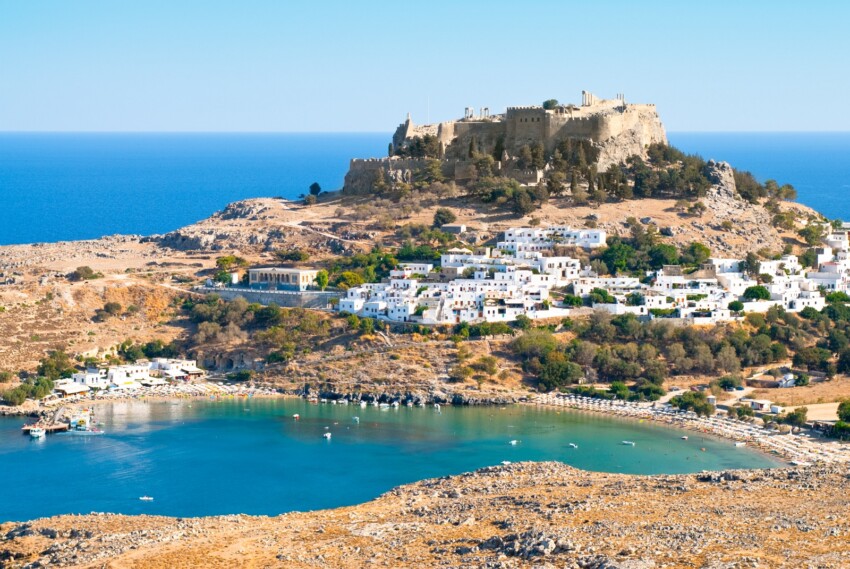
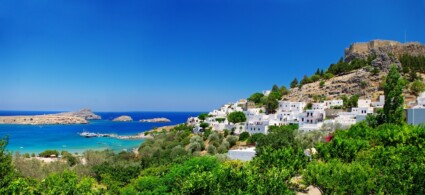
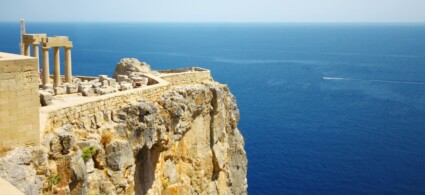
Romantic Lindos is the most enchanting place on the island of Rhodes: a cascade of white houses clinging to the slopes of a hill dominated by a medieval fortress; the fortress houses the jewel of Lindos, its marvellous Acropolis overlooking the sea… to be reached by donkey!
Lindos is the most ‘Greek’ of the Dodecanese towns, the one that comes closest to many tourists’ idea of Greek islands. It boasts two lovely beaches lying along the bay that the town overlooks, plus one on the opposite side of the hill, along the bay of St. Paul.
The town is also famous for its small restaurants with roof terraces serving typical Greek cuisine.
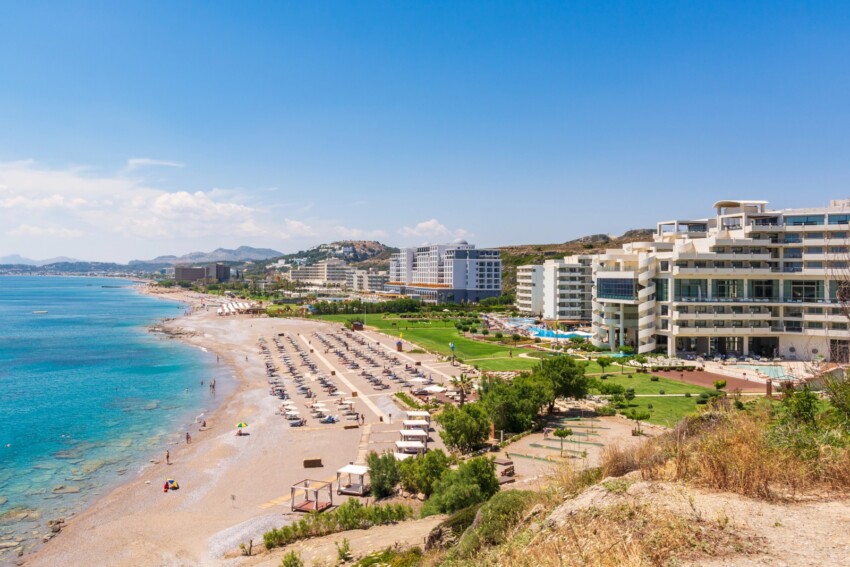
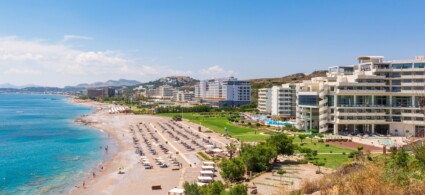
In Faliraki there is little to see but plenty to do. The island’s main tourist resort, it is a succession of shops, bars, clubs and theme parks, with entertainment for all ages that is a sure-fire antidote to boredom.
Faliraki is lively from morning until late at night and attracts both families with young children and young people in search of nightlife. It is located along the east coast of the island, just 13 km from the capital.
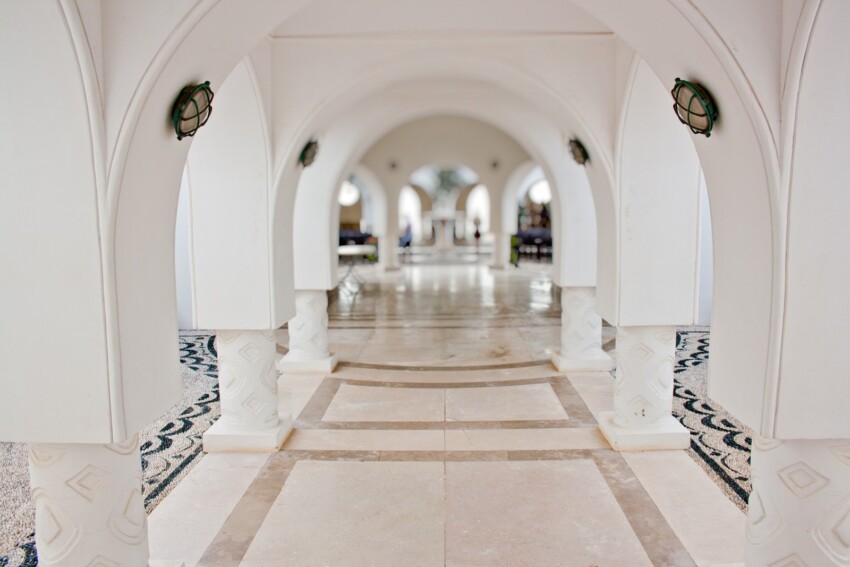
The name ‘Kalithea Springs‘ makes one think of an old thermal establishment. In reality, this art deco building with arabesque elements such as fountains and romantic pavilions is of much more recent construction: in fact, it dates back to the early 20th century and is a testimony to the Italian presence on the island in those years. It was designed by architect Pietro Lombardi.
The thermal spring that used to flow in the area has long since dried up, but the beauty of the landscape has remained intact.
From the thermal complex you can enjoy splendid views of the sea that will certainly make you want to stop and sunbathe on the beautiful beach below.
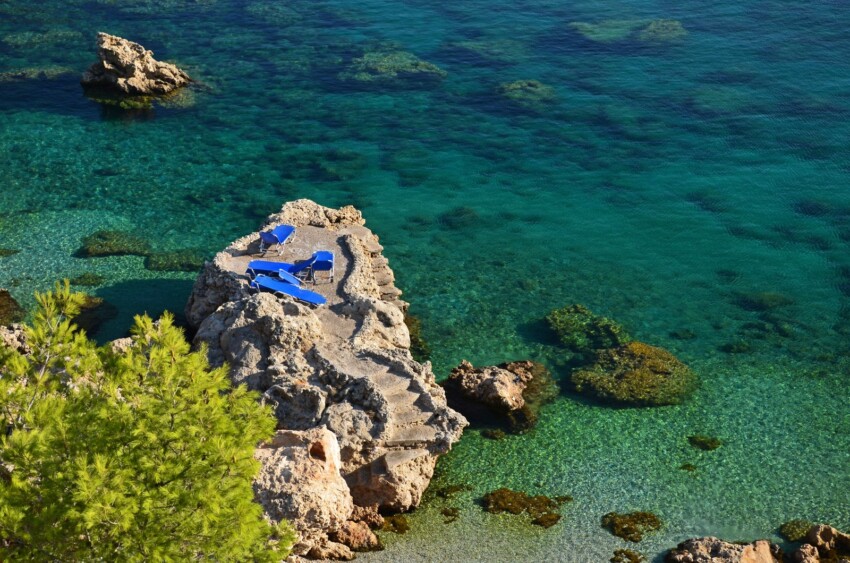
The beaches of Rhodes deserve a list of their own, but of all of them, there is one to see not only for sea and sunbathing but also for cinematic appeal.
The splendid rocky beach in the Anthony Quinn Bay is one of the island’s main scenic beauties: a small beach nestled in a breathtaking natural setting, so beautiful that it enchanted even the Hollywood star who came to Rhodes for the shooting of the film ‘The Guns of Navarone’. Its fame has made the beach that now bears its name a compulsory stop on any tour of the island.
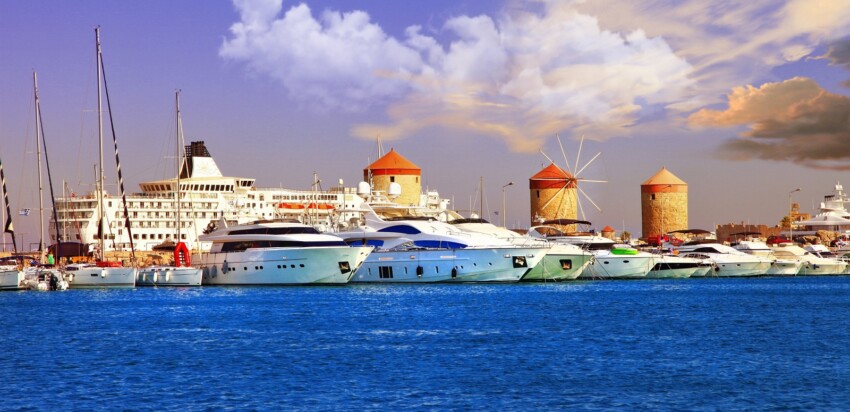
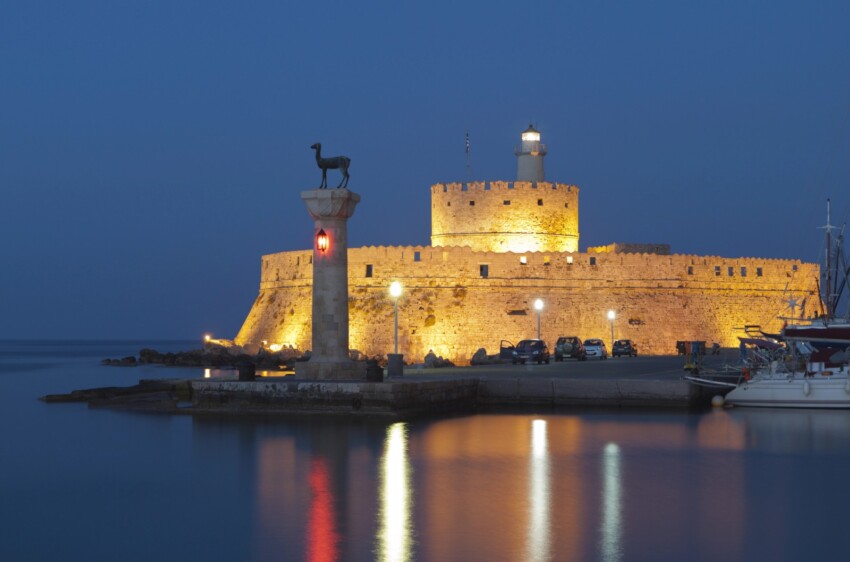
The Port of Mandraki is the beating heart of Rhodes Town and one of the most picturesque ports in the Mediterranean. According to legend, it was here that the Colossus of Rhodes, one of the Seven Wonders of the Ancient World, a 32-metre-high statue dedicated to the god Helios stood guard over the harbour entrance.
Today, at the mouth of the harbour, two columns topped by bronze statues of Elafos and Elafina (deer and hind) recall the legend that these animals freed the island from the snakes that infested it. The harbour hosts elegant private yachts, traditional fishing boats and day-trip boats.
The harbour promenade is lined with historic buildings of great architectural value. The Governor’s Palace, built in the Venetian Gothic style, and the Murad Reis Mosque with its distinctive minaret, testify to the various dominations that have taken place on the island.
Don’t miss the famous medieval windmills that stand on the breakwater. These mills, once used to grind grain for ships in transit, have now become one of the most recognisable symbols of Rhodes and provide a perfect backdrop for sunset photographs.
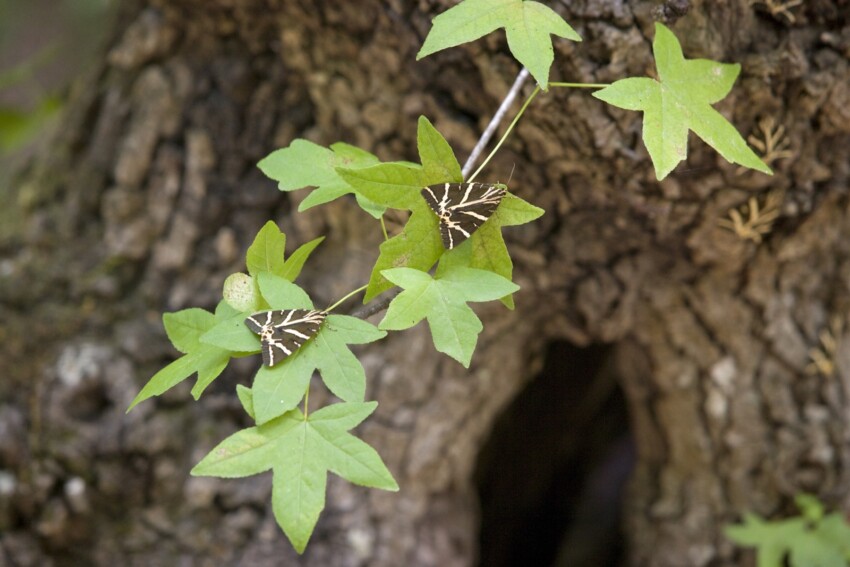
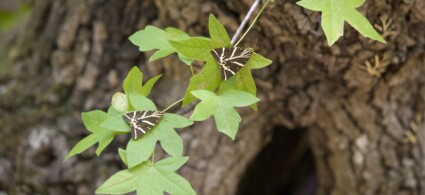
How many butterflies can you see in a single day? Whatever number you come up with will always be less than the actual number of specimens – lepidopterans to be precise – that you can see by visiting the Valley of the Butterflies in Rhodes.
This is a path in a forest near the town of Petaloudes, in the western part of the island, where small trees grow with aromatic fruits whose scent irresistibly attracts butterflies.
The tour is a beautiful walk through the greenery, past small waterfalls and lush plants: a perfect piece of nature for some relief from the heat and sun.
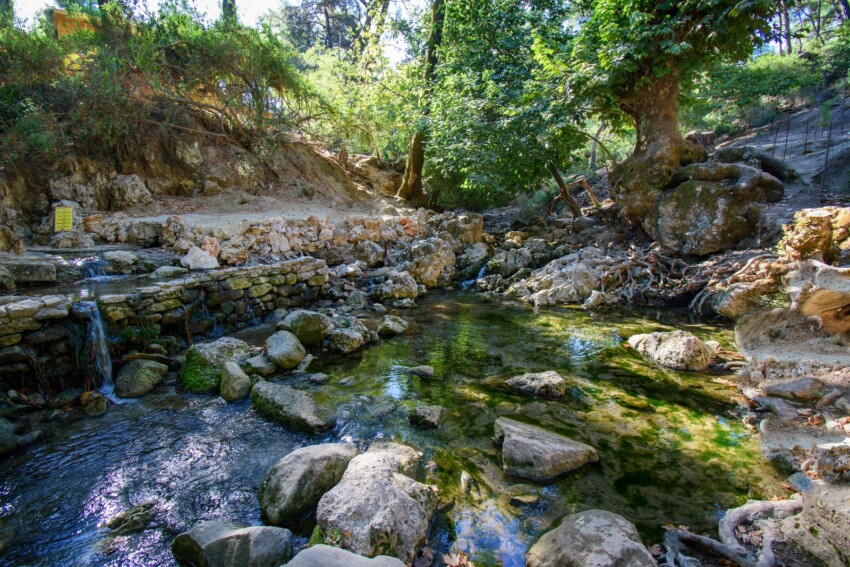
Another refreshing place in Rhodes is the Seven Springs forest (Epta Piges): it is located a few kilometres from the town of Kolymbia, but seems light years away from the heat and the scorching sun of the beaches.
It is a forest of plane and pine trees in which several natural streams flow into a small lake formed inside a cistern dug by the Italians in the early 20th century.
The forest is criss-crossed by paths, wooden bridges and walkways; access to the lake is through a narrow tunnel built in the same era as the cistern.
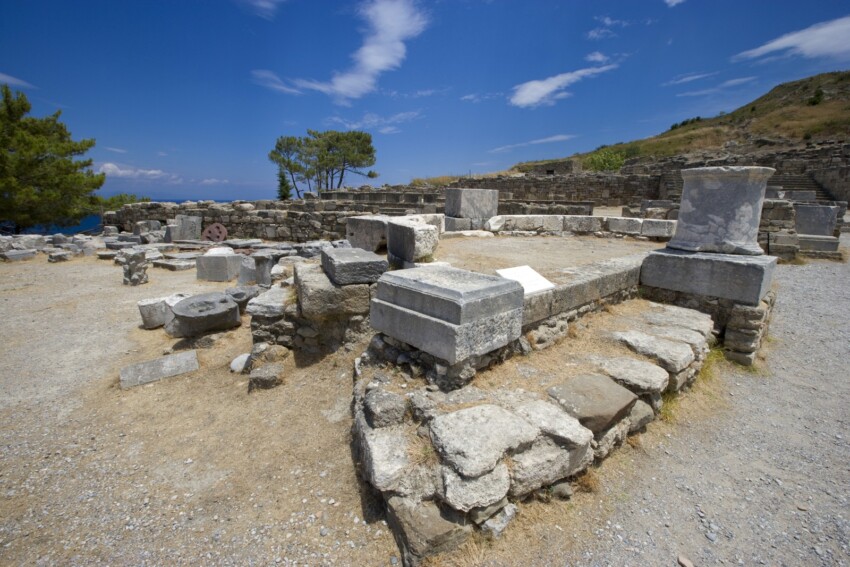
The second ancient wonder of Rhodes after the acropolis of Lindos is the archaeological site of Kameiros, brought to light by excavations in the late 19th century. Unfortunately, little remains of the splendour of this city founded by the Dorians in the 7th century, the third oldest on the island after Ialyssos and Lindos.
The most significant remains include the Temple of Athena Kameiras, the foundations of the agora with its Doric portico, the remains of the water system that fed the public fountains and the Hellenistic houses with their inner courtyards and mosaic decorations.
Of particular interest is the system of cisterns that collected rainwater to supply the city, an example of ancient hydraulic engineering. The site also offers spectacular views of the west coast and the islet of Halki.
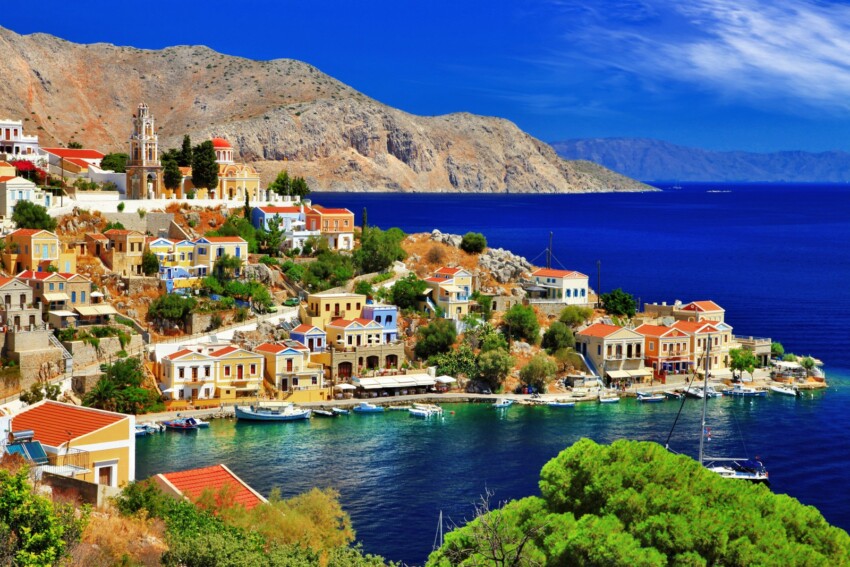
A wonderful day trip from Rhodes is to the neighbouring island of Symi. Considered one of the most beautiful islands of the Dodecanese, it is famous for its elegant pastel-walled houses and colourful fishing boats.
You can visit it on your own by taking one of the many boats and ferries departing from different Rhodes towns; the crossing takes an hour or an hour and a half depending on the company and the price is quite cheap. During the sea crossing you can admire the magnificent bay of St George.
Another way to visit the island is to participate in organised tours. The advantage is that the tours usually include a stop at the town of Symi, the main town on the island, and one at the monastery of Panormitis; this way you do not have to worry about how to get around once you arrive in Symi.
In the following map you can see the location of the main places of interest mentioned in this article.
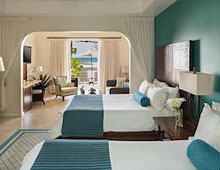 Hotel
Hotel 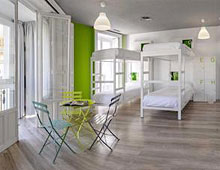 Budget accommodations
 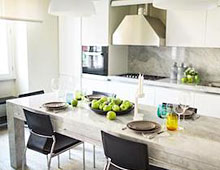 Apartments
  Family Hotel
 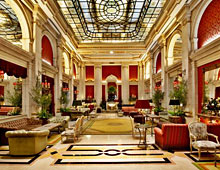 Luxury Hotel
  Resorts