Boutique Hotel Tilos Mare
Livadia - Livádia
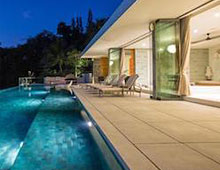
Located 250 meters from the center, 400 meters from Port of Livadia, and 150 meters from the sea, Tilos Mare offers accommodations with kitchenettes arranged around an outdoor pool.
Book now
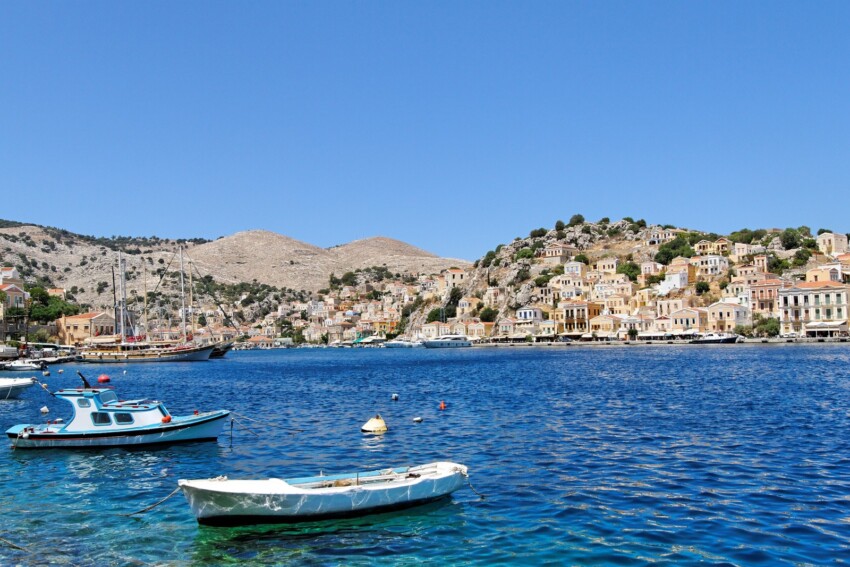
Tilos is a hidden gem of the Dodecanese, strategically positioned between Rhodes and Kos. This 64-square-kilometre island is home to around 750 inhabitants and stands out from other Greek destinations for its ecological revolution: it has become the first zero-energy island in the Mediterranean and the first certified zero-waste island in the world.
Tilos boasts a surprisingly verdant landscape compared to the arid neighbouring islands, thanks to numerous natural springs that feed fertile valleys. The island has been fully included in the Natura 2000 network for its exceptional biodiversity: it is home to over 150 species of birds (46 endangered) and 400 varieties of plants and herbs.
The geological history of Tilos is unique in Europe: around 45,000 years ago, the island was home to Europe’s last population of dwarf elephants, whose fossil remains today represent one of the most important palaeontological discoveries in the eastern Mediterranean.
Livadia constitutes the beating heart of Tilos and the island’s main port of call. This charming village lies in a green valley protected by mountains, offering a completely different scenery from the aridity typical of the Dodecanese. The promenade runs along a wide, sheltered bay bordered by a white pebble beach and crystal-clear waters.
The centre of Livadia retains traditional architecture with white stone buildings and flower-decked balconies. Noteworthy is the police and harbourmaster’s palace, an example of early 20th century Italian architecture that testifies to the period of Italian rule. Following the coastline eastwards, one reaches the ancient medieval port of Agios Stefanos, with its characteristic lighthouse and the remains of fortifications.
Megalo Chorio, 7 kilometres from Livadia, is the administrative capital of Tilos and clings to the sides of a hill 160 metres above sea level. The village retains the charm of the past with traditional houses made of local stone and narrow cobbled streets winding through gardens scented with basil and oregano.
At the highest point of the village stands the Castle of the Knights of St John, built in the 15th century on the foundations of an ancient Hellenistic acropolis. The fortified walls offer spectacular views of the island and the surrounding sea, while the remains of ancient cisterns and storehouses are preserved inside.
3.5 kilometres from Livadia, in an area covered by volcanic lava, is the Cave of Charkadio, discovered in 1971 by geologist Nikolaos Symeonidis. This cavity represents the most important palaeontological site in the world for finds of European dwarf elephants, with over 15,000 bones belonging to 45 specimens of the species Elephas tiliensis.
The excavations, conducted by the Department of Geology and Palaeontology of the University of Athens, revealed that these 120-150 centimetre tall elephants lived on the island until about 4,000 years ago, representing the last pachyderms of Europe. The new Palaeontological Museum, opened near the cave, exhibits a selection of the most significant finds together with Neolithic tools and ceramics from the period.
At an altitude of 450 metres, surrounded by a green oasis of pine and cypress trees, stands the Byzantine Monastery of Agios Panteleimonas, built in the 15th century on the remains of an ancient Greek temple. This monastic complex is one of the architectural gems of Tilos, with the main church adorned with precious Byzantine frescoes and a finely carved wooden iconostasis.
The monastery is dedicated to the patron saint of the island and every year, from 25 to 27 July, it hosts one of the most important religious festivals in the Dodecanese, with three days of celebrations attracting worshippers from all the surrounding islands.
Mikro Chorio is a fascinating testimony to the recent history of Tilos. This medieval village, built in the 15th century by the Knights of St. John, was abandoned in the 1930s when the inhabitants moved to the port of Livadia. Since 1960, the village has been completely uninhabited, creating a unique and mysterious atmosphere.
The stone houses, now uncovered, climb the hillsides, offering striking views of the surrounding valleys. Every 15 August, the village comes alive for a day with the Feast of the Panagia, a traditional celebration that takes place in the small, still intact church.
Eristos is the largest and most popular beach on Tilos, stretching over 1,200 metres along the west coast of the island. This expanse of coarse golden sand and coloured pebbles is embraced by an amphitheatre of barren hills that create a striking colour contrast with the turquoise waters.
The beach is partially equipped on the right side with sunbeds and umbrellas, while the left side remains free and often hosts campers during the summer months. A small tavern and bar serve local specialities, while tamarisk trees provide natural shade. The sunset from Eristos is considered one of the most spectacular in the Dodecanese.
The Red Beach, also called Kokkini, is one of the three red beaches in Greece, along with its namesake in Santorini and Kokkinokastro in Alonissos. This small cove owes its distinctive name to the reddish sand created by erosion of the surrounding volcanic rocks.
Accessible only on foot via a scenic 40-minute walk from Livadia or by taxi boat in summer, Red Beach offers a wild and unspoilt experience. The clear waters and seabed rich in marine life make it ideal for snorkelling.
Lethra stretches as a long , white pebble beach along the east coast, reached by the same excursion that leads to Red Beach. This wild, unequipped destination is surrounded by small natural caves that provide shade and privacy, making it the island’s semi-official naturist beach.
The crystal-clear sea and gradual seabed create an ideal environment for total relaxation, while the flat back beach allows small tents to be pitched for protection from the Greek sun.
Livadia beach, located directly in the centre of the village, is the most accessible and best-equipped destination on the island. This expanse of colourful pebbles and coarse sand runs along the harbour bay, offering calm, clear waters ideal for families.
Tamarisk trees provide natural shade, while taverns, cafes and mini-markets line the promenade. The proximity to amenities and bus connections to other resorts make this beach perfect for those seeking convenience without sacrificing natural beauty.
Livadia concentrates most of the island’s accommodation, from budget accommodation in traditional studios to boutique hotels overlooking the bay. Options range from family-run pensions run by islanders to detached villas surrounded by Mediterranean vegetation.
During the high season, many local owners provide private flats, offering an authentic experience at affordable prices. Eristos has a few secluded properties ideal for those seeking absolute tranquillity, while Agios Antonios offers quaint accommodation in the small fishing village.
We offer a selection of hotels at Tilos to suit all categories of travellers. The most booked by tourists are the sea-facing hotels, often right on the beach. If you want to play it safe, choose one of the following: they are among the most booked hotels in Tilos, sorted by number of reviews.
If you prefer space, privacy and the ability to prepare your own meals to a hotel holiday, book a holiday home at Tilos. We recommend a few below, but in this case we advise you to book early because houses and apartments for rent at Tilos are in high demand.
The most convenient connection to Tilos is from Rhodes Airport, which is served by direct flights from major European cities. From the port of Kamiros Skala, 45 minutes from the airport, regular ferries depart in 2 hours to Livadia. During the summer there are up to 3-4 connections per week.
Kos Airport is a viable alternative, with ferries connecting the main port to the island in 1.5-3 hours depending on the type of vessel. Connections are not daily as from Rhodes, so it is necessary to check timetables in advance.
Direct connections from the port of Piraeus take about 16 hours with Blue Star Ferries, with 3 departures per week. The long journey allows you to cross numerous islands of the Dodecanese, turning the transfer into a unique scenic experience.
What's the weather at Tilos? Below are the temperatures and the weather forecast at Tilos for the next few days.
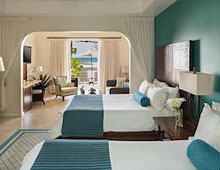 Hotel
Hotel 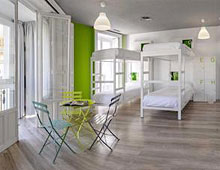 Budget accommodations
 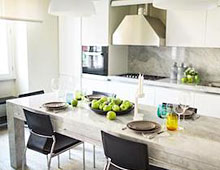 Apartments
  Family Hotel
 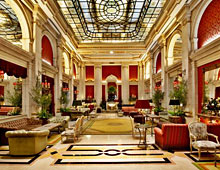 Luxury Hotel
  Resorts