Santorini
The Greek island par excellence is Santorini: although touristy, crowded and expensive, it remains in the hearts of all visitors for its unparalleled beauty.
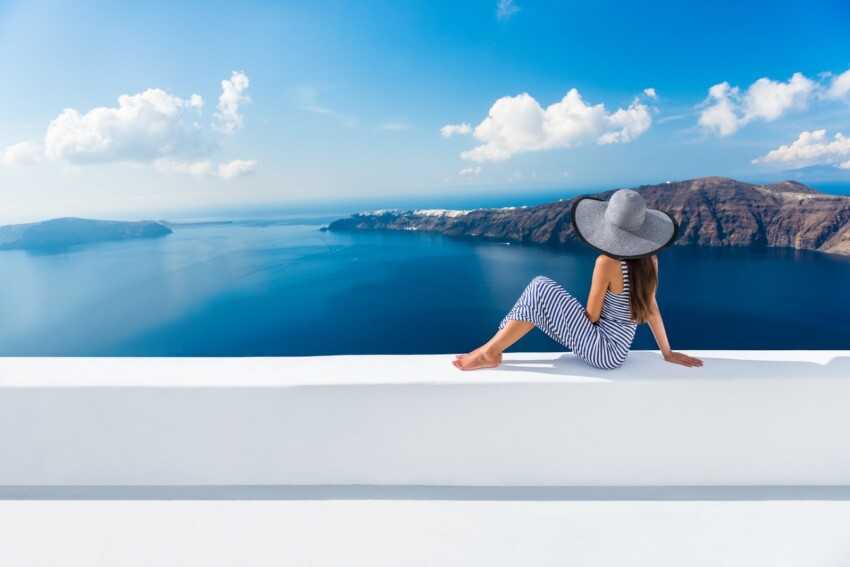
Where better to look for relaxation, beautiful sea, ancient charms and warm hospitality than on a Greek island? Each of the more than 200 inhabited Greek islands (if you count uninhabited ones, the Greek islands number more than 6000!) is potentially suitable for a dream holiday. But how do you choose the one best suited to the type of holiday you want to take?
The Greek islands are grouped into seven main archipelagos, each marked differently by geography, history and the development of tourism.
While the Cyclades, the Greek islands most impressed in the collective imagination, are characterised by an arid and barren landscape, the Sporades are rich in vegetation. The Ionian Islands, closer to Western Europe, still show clear traces of Venetian rule, while the Dodecanese islands already exude oriental atmospheres.
The Saronicas are the weekend islands for many Athenians, and the islands of the northern Aegean are also popular with Greek tourists and little known internationally. And then there is Crete, huge and wonderful.
Here is a guide to the archipelagos of the Greek islands that will help you find the perfect destination for your dream holiday.
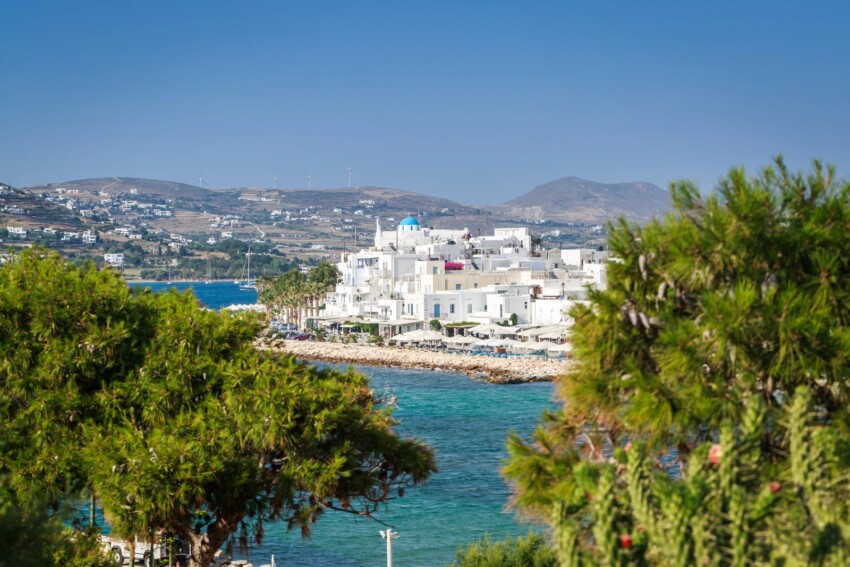
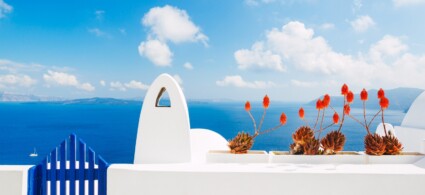
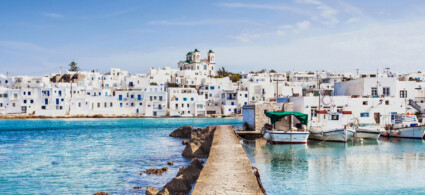
The Cyclades are the most famous and most visited of the Greek islands: sun-kissed, bathed by azure blue sea, they are enchanting places where picture-postcard views follow one another at every step. The typical image of the Cyclades is that of a pretty seaside village with a cascade of white houses with blue roofs.
The archipelago is located in the Aegean Sea, south of the Attica peninsula and Euboea, and has more than 200 islands of which about 20 offer accommodation and services to tourists.
Part of the Cyclades archipelago are the two stars of Greek tourism, the chic Santorini and the outrageous Mykonos. The former, of volcanic origin, charms tourists with its breathtaking views of the caldera and romantic sunsets, while the latter gets them wild with its transgressive beach parties and clubs open until morning.
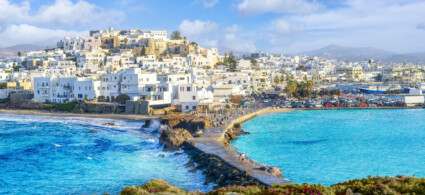
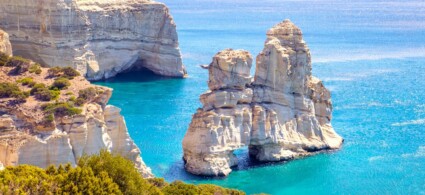
The other islands really do cater for all tastes: they range from other well-known, amenity-rich islands like Naxos and Paros to solitary gems like Serifos, Anafi, Kea and Kithnos where time seems to stand still. Milos and Koufonissi fall somewhere in between: still very quiet, they are rapidly growing in popularity.
Santorini and Mykonos are easy to reach thanks to numerous low-cost flights departing from various European cities. The other Cyclades islands can be reached by domestic flights departing from Athens or by ferry.
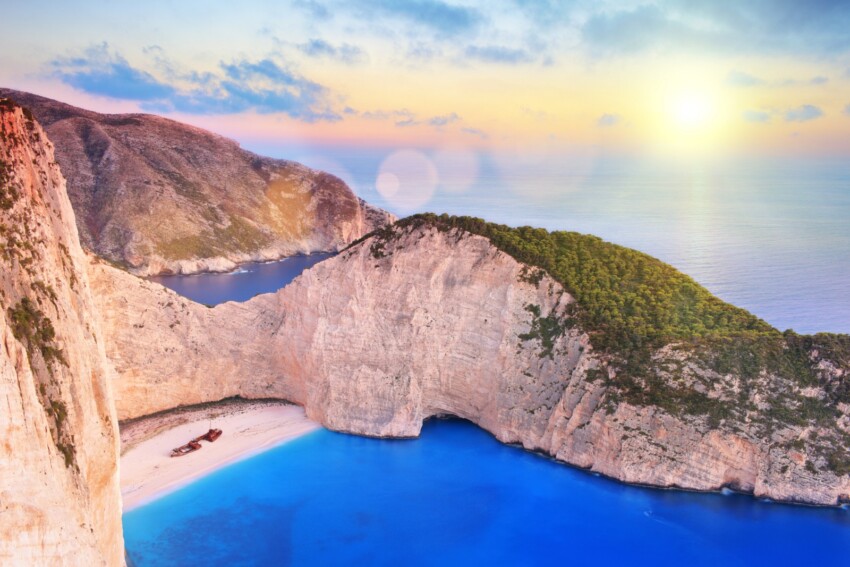
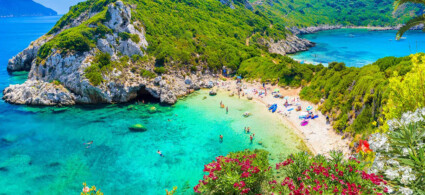
Located in the Ionian Sea to the west of mainland Greece and part of Albania, the Ionian Islands are the closest Greek islands to western Europe and therefore the easiest to reach.
This proximity is not only geographical but also cultural: for several centuries they were dominated by the Venetians, who left evident traces in their architecture. Today, Italian tourists make up the majority of visitors to the Ionian Islands.
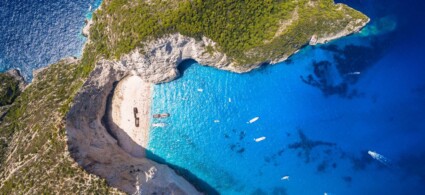
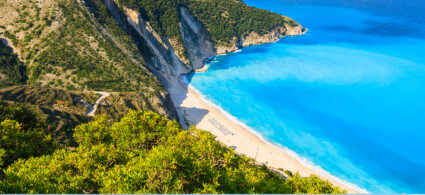
The most famous attraction of the entire archipelago is the Shipwreck Beach, a white sandy beach nestled between imposing vegetation-covered cliffs where a ship sank years ago and was never removed. It is one of the most frequently used images on websites and tourist guides about Greece and has become a symbol of the natural beauty of this country.
The wreck beach is located in Zakynthos, made famous by the poem A Zacinto by Ugo Foscolo, who was born on this very island. Literary charms are also to be found on Ithaca, the mythical homeland of Ulysses, today an island suitable for those who love nature and tranquillity, while Kefalonia, the largest island of the archipelago, is remembered by film lovers as the location for a famous Hollywood film.
In total, there are seven Ionian Islands. The most famous is Corfu: with many more amenities than the smaller islands and with a rich historical heritage, it is an ideal destination for those who want to combine beautiful scenery, cultural visits and comfort.
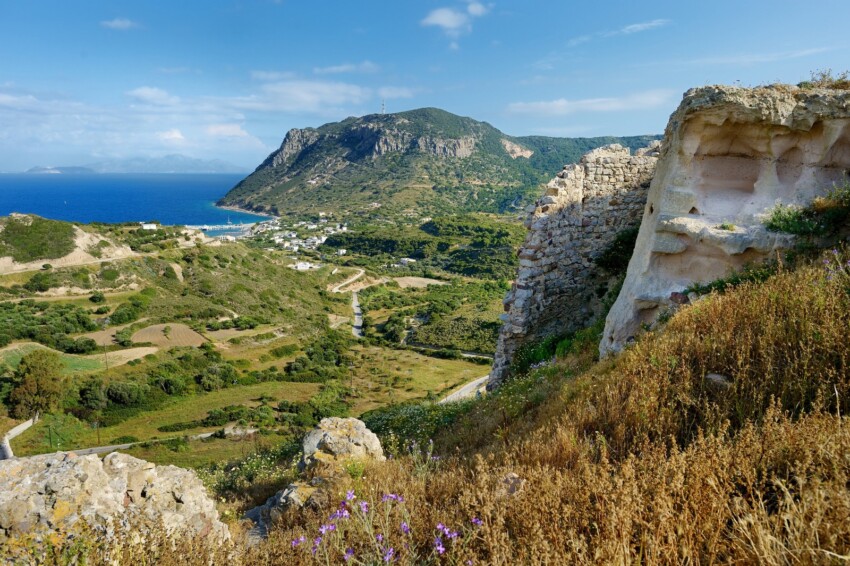
From the nearest to the furthest: the Dodecanese islands are closer to the coasts of Turkey than to those of mainland Greece and are therefore the furthest from the rest of Europe. Here, too, geography and culture merge: by their history and present-day appearance, these islands metaphorically represent a bridge between West and East.
In spite of its name, the Dodecanese archipelago comprises far more than twelve islands: there are some 160 of them, 26 of which are inhabited.
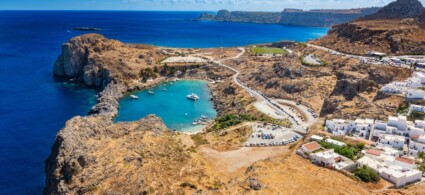
The most famous and most visited is Rhodes, an island that includes everything needed for a dream holiday: enchanting beaches (both sandy and rocky), traditional villages, archaeological sites and cultural attractions; next in the popularity ranking is Kos.
The other islands are all still little known to tourists: a bit inconvenient to reach and with fewer facilities, they have the advantage of being quieter.
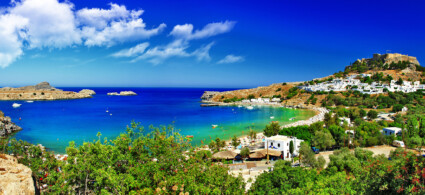
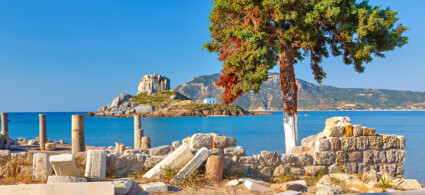
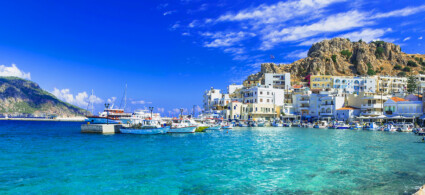
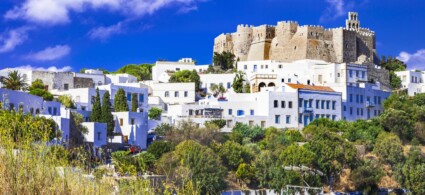
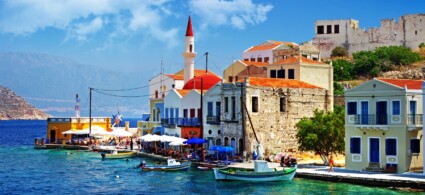
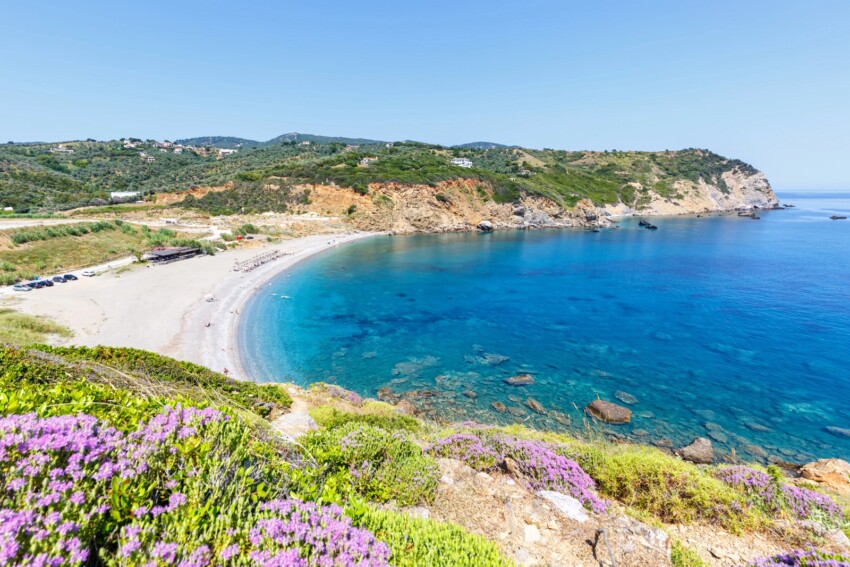
The Northern Sporades, commonly called the Sporades Islands, are a group of four islands in the north-western sector of the Aegean Sea. Compared to the Cyclades, the quintessential Greek islands, they are much richer in vegetation and are much more populated, with some activities open throughout the year and not just in summer.
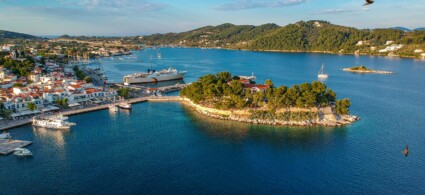
The most famous island of the archipelago is Skiathos. Sophisticated and cosmopolitan, it is popular with tourists from Greece and beyond. It boasts more than 60 beaches, green paths and plenty of nightlife venues.
The picturesque Skopelos, location of the musical Mamma Mia!, is still a traditional island with a slow pace, perfect for a relaxing holiday between the sea and dinners in typical tavernas. Alonissos is the furthest from the mainland and this discourages many tourists: those with the tenacity to make it here will find peace and the cleanest waters in the Aegean. Skyros is the least touristy, the place for those who want to immerse themselves in the local culture and make friends with the locals.
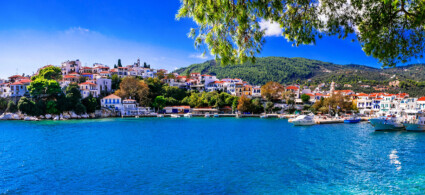
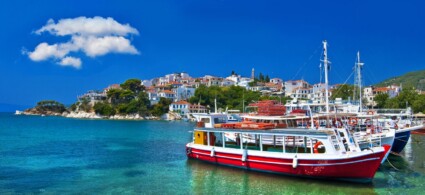
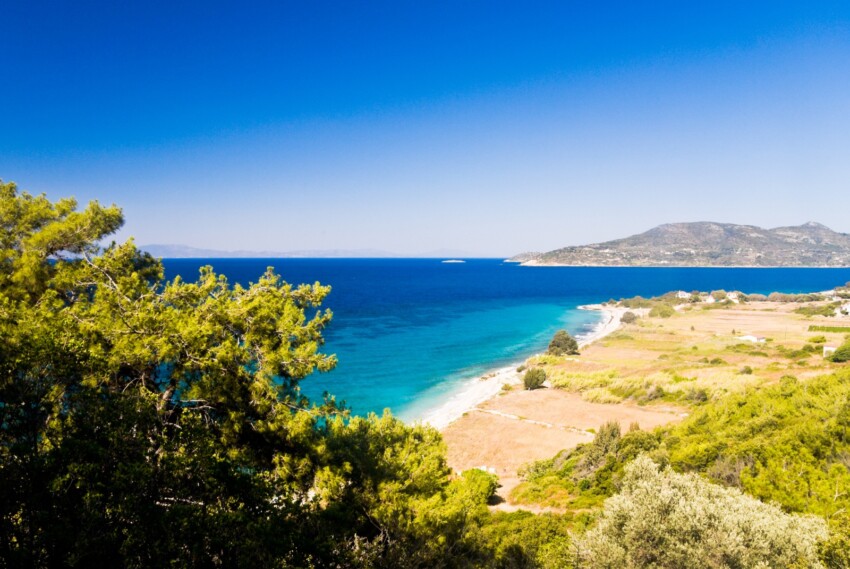
The North Aegean is not a real archipelago, but a label by which a dozen islands and islets in the north-eastern part of the Aegean Sea are defined, closer to the west coast of Turkey than to mainland Greece.
The five main islands are Samos, Lesvos, Limnos, Ikaria and Chios. Of these, the first two are the most interesting for tourists: both boast rich vegetation, a millennial history and illustrious citizens such as the poetess Sappho and the scientist Pythagoras and are therefore ideal for those who want to combine sea and cultural visits.
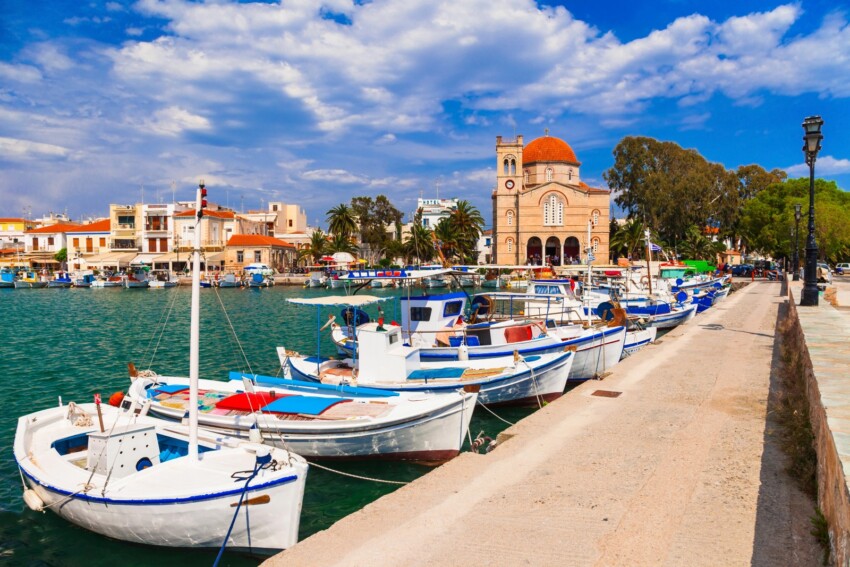
The Saronic Islands lie in the strip of sea between the north-eastern coast of the Peloponnese and the western coast of Attica. They are easily accessible from Athens and therefore very popular with Greek tourists, while still not (unfairly) enjoying international fame.
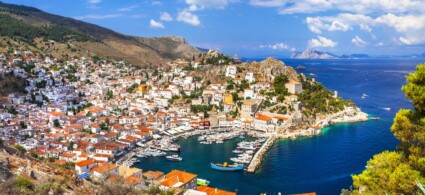
The favourite island of wealthy Athenians who want to escape the city for a weekend by the sea is Hydra, a chic island but definitely more accessible and less fashionable than Santorini. Cars are not allowed on the island and it is only connected to the mainland by hydrofoils.
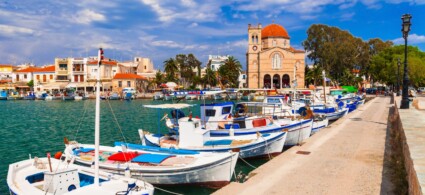
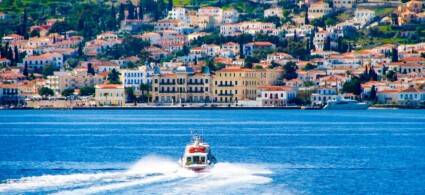
The other islands of the archipelago are Aegina, Agistri, Poros, Salamina, Spetses and Dokos.
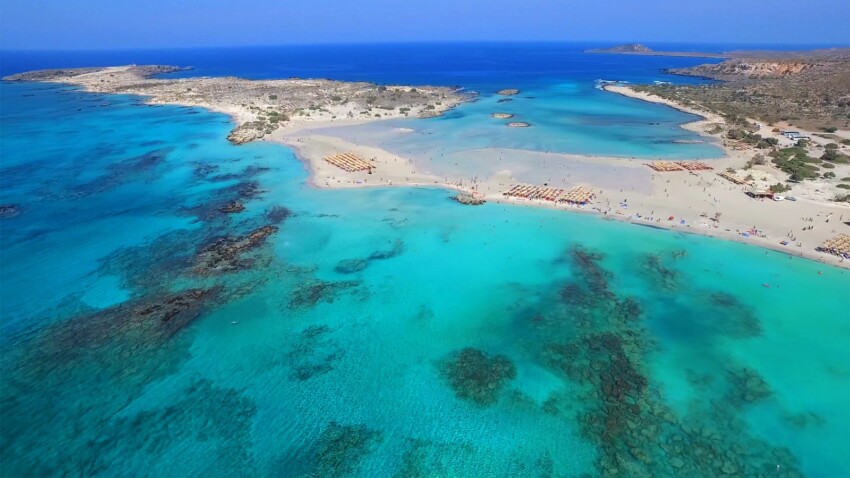
Not part of any of the previously mentioned archipelagos is the island of Crete, which far exceeds all other Greek islands in size and is one of the largest in the entire Mediterranean. It is located in the Aegean Sea, about a hundred kilometres south of mainland Greece.
Crete is a small world in itself, large enough and rich enough in attractions to fill more than a holiday on its own: a varied landscape, an impressive number of enchanting beaches, archaeological sites and cultural attractions that are among the most important in Greece (including the impressive palace of Knossos, where according to legend the fearsome Minotaur was imprisoned).
Below is an interactive map showing the main Greek islands and archipelagos covered in our guide.
 Hotel
Hotel  Budget accommodations
  Apartments
  Family Hotel
  Luxury Hotel
  Resorts