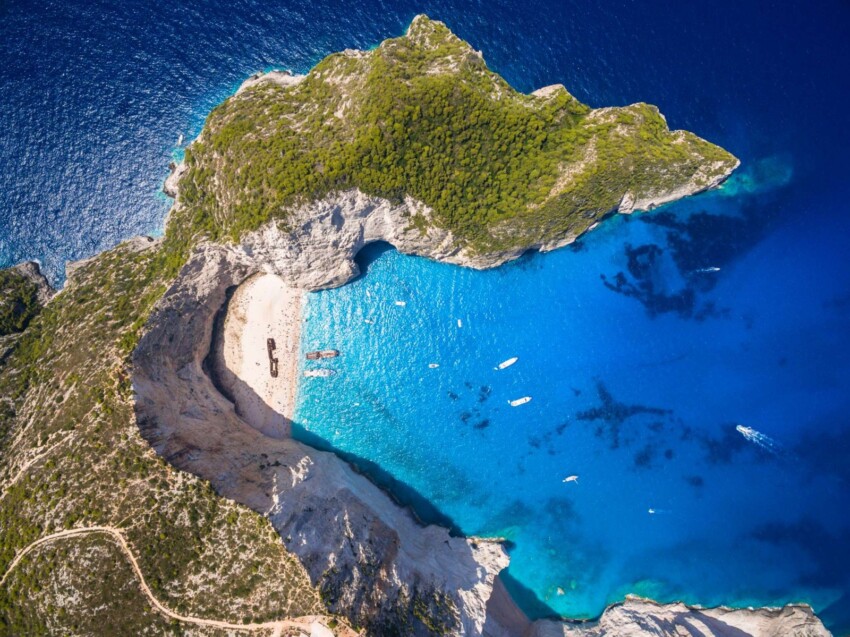
The Ionian Islands represent the closest Greek archipelago to Western Europe, located in the crystal-clear Ionian Sea along the west coast of mainland Greece. This extraordinary group of islands, also known by the ancient name Heptanese (‘The Seven Islands’), actually comprises numerous islands and islets that offer a unique mix of lush nature, turquoise waters and cultural-historical richness.
The archipelago is distinguished from other Greek island groups by its lush vegetation, waters of record depths (up to 4,446 metres, the deepest in the Mediterranean) and an extraordinary variety of landscapes ranging from golden sandy beaches to imposing limestone cliffs. The strategic location has made these lands the crossroads of different civilisations, from ancient Greek póleis to Venetian domination, from French occupation to British protectorate.
The seven main islands are Corfu, Paxos, Lefkada, Ithaca, Kefalonia, Zakynthos and Kythira, while the smaller islands include Antipaxos, Meganisi, the Diapontie islands (Erikousa, Mathraki, Othoni) and the deserted islets of the Strophades. The archipelago only became part of the modern Greek state in 1864, after centuries of foreign domination that profoundly shaped the local culture and architecture.
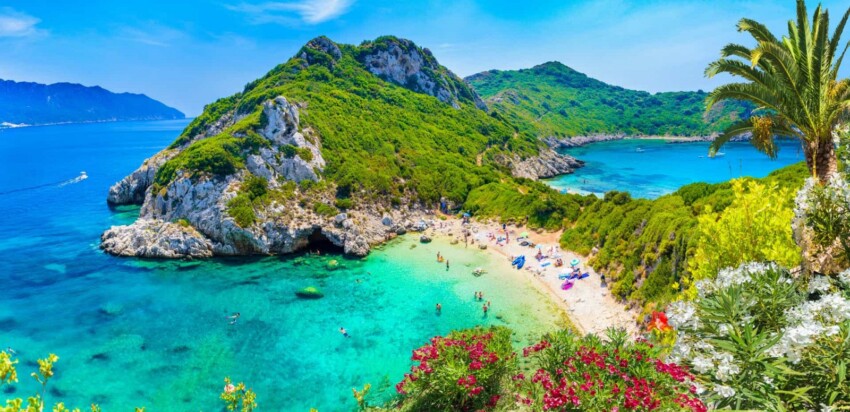
Corfu is the northern pearl of the Ionian Islands and the most cosmopolitan of the archipelago. The island has one of the most beautiful UNESCO historical centres in Greece, where Venetian architecture blends harmoniously with French and British influences. Kerkyra town enchants with its medieval fortresses, the cobbled alleys of the Old Town and the elegant Spianada, one of the largest squares in Europe.
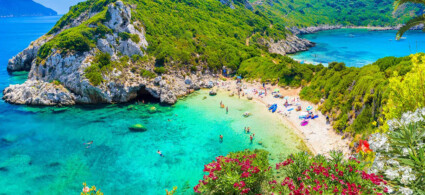
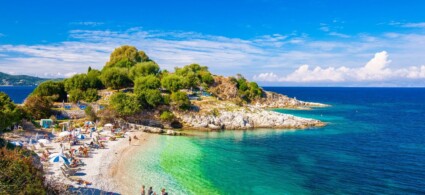
Corfu’s beaches please every type of traveller: from the spectacular Paleokastritsa with its turquoise bays to the wide sandy expanses of Agios Gordios, ideal for families. The island boasts an exceptionally lush vegetation with over 4 million centuries-old olive trees, cypress forests and fragrant citrus groves that make it green all year round.
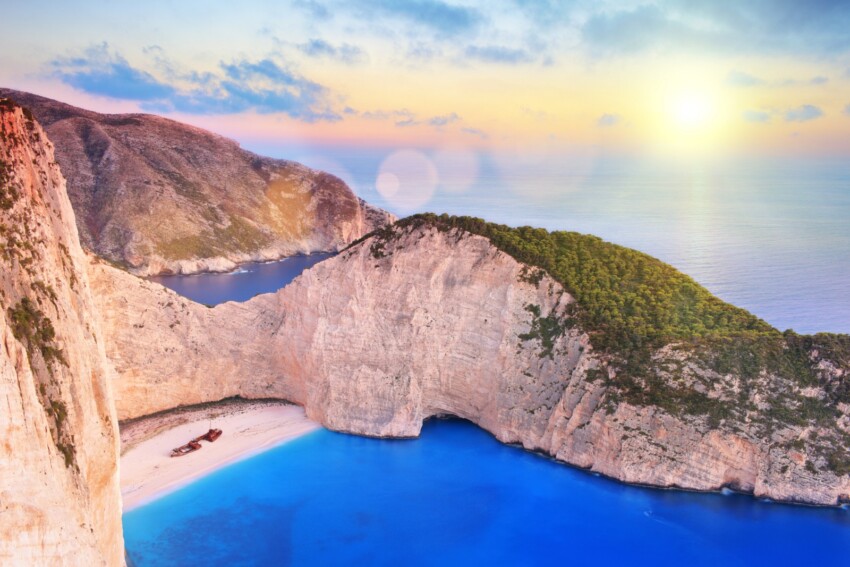
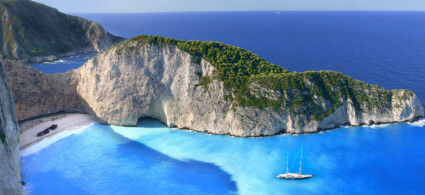
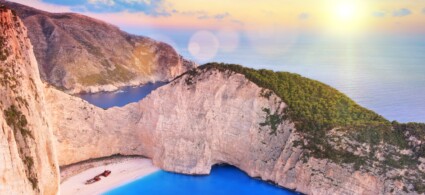
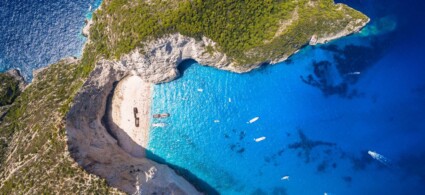
Zakynthos is world-famous for its iconic Shipwreck Beach (Navagio Beach), one of the most photographed locations in Greece with its white sand framed by towering limestone cliffs. The island, home of the Greek national poet Dionysios Solomos and dear to the heart of Ugo Foscolo, offers an extraordinary variety of landscapes and ecosystems.
The bay of Laganas is the most important nesting area in the Mediterranean for Caretta Caretta sea turtles, making Zakynthos a paradise for nature lovers. Zakynthos’ beaches range from the protected sandy bays of the south coast to the spectacular blue sea caves of the west coast, which can be reached by boat excursions from Porto Vromi.
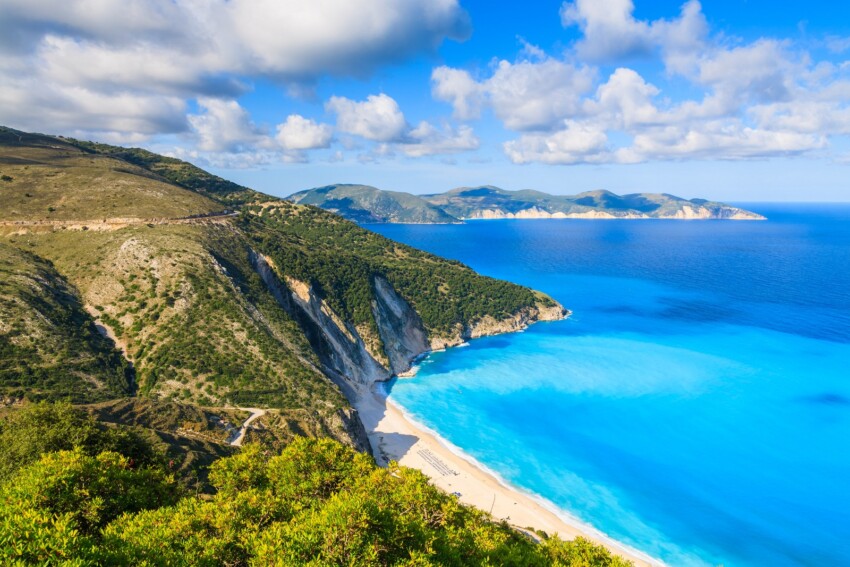
Kefalonia, the largest of the Ionian Islands, seduces with its wild nature and unique geological phenomena. The island is dominated by Mount Ainos (1,628 metres), whose National Park protects the last Kefallinía fir forest, an endemic species on the island. The capital Argostoli captivates with its elegant harbour promenade and the famous phenomenon of the ‘katavothres’, sea chasms where water mysteriously disappears.
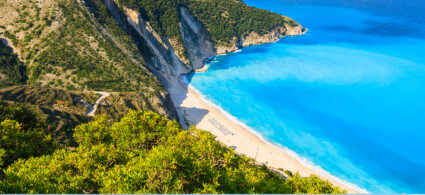
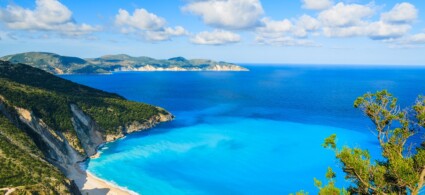
The spectacular Myrtos Beach, considered among the most beautiful in the Mediterranean, offers postcard-perfect scenery with its turquoise waters contrasting with white sand and limestone cliffs. The Melissani Cave is a unique experience: an underground lake illuminated by beams of sunlight that create spectacular colour effects.
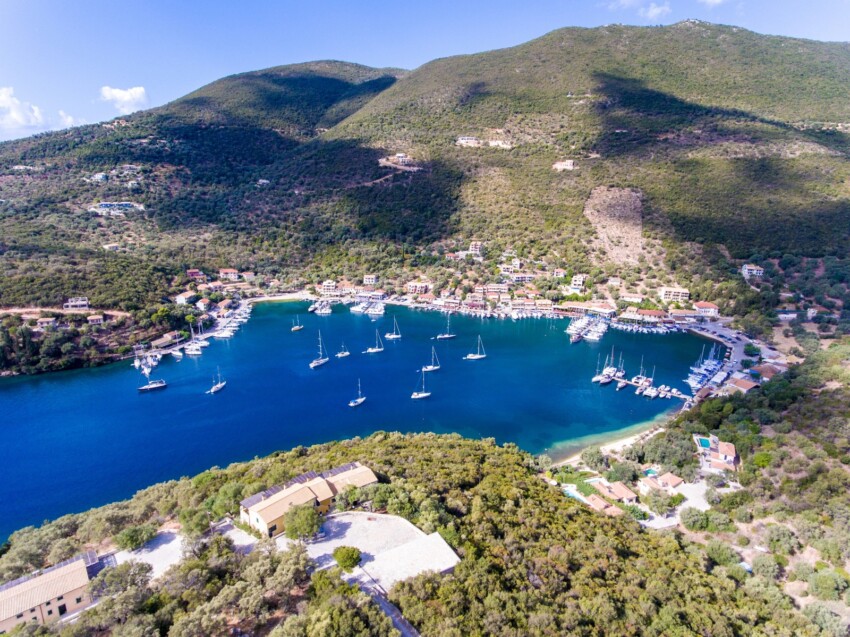
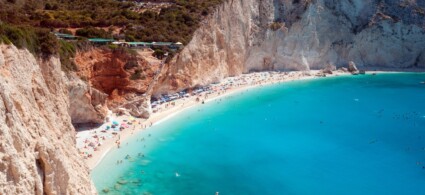
Lefkada is the only Ionian island connected to the mainland by a movable bridge, making it easily accessible by car. The island boasts some of the most spectacular beaches in Greece: Porto Katsiki and Egremni amaze with their turquoise waters framed by imposing white cliffs reminiscent of Caribbean landscapes.
The west coast of Lefkada is a paradise for water sports: the bay of Vassiliki is internationally renowned for windsurfing thanks to its constant thermal winds, while numerous hidden coves offer ideal conditions for kayaking and snorkelling. The picturesque village of Agios Nikitas retains its traditional charm with its colourful houses overlooking the sea.
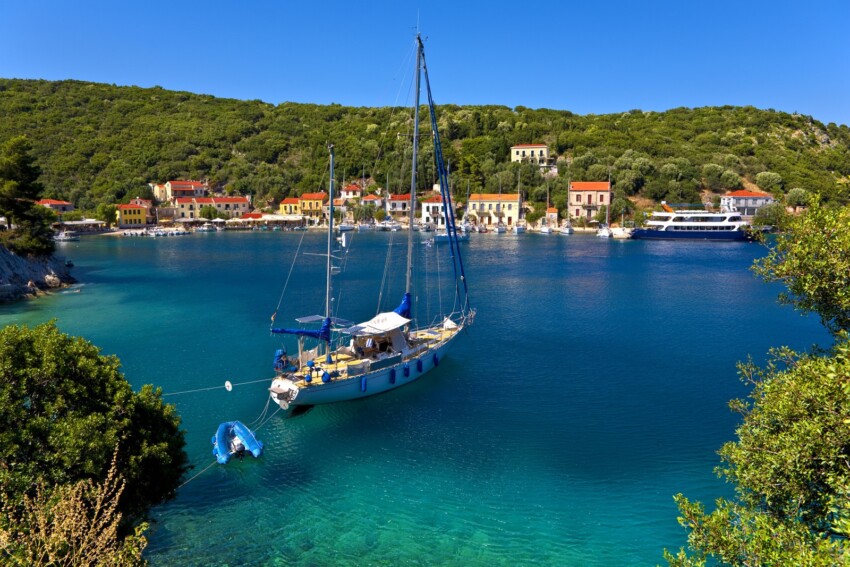
Ithaca, the mythical island of Ulysses, retains an atmosphere suspended in time that still evokes the verses of Homer’s Odyssey. This small mountainous island, separated from Kefalonia by a channel of only 4 kilometres, is a perfect retreat for those seeking tranquillity and authenticity away from mass tourism.
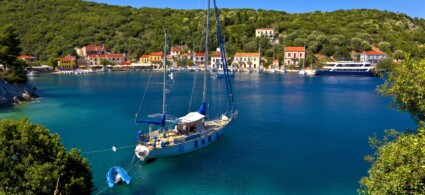
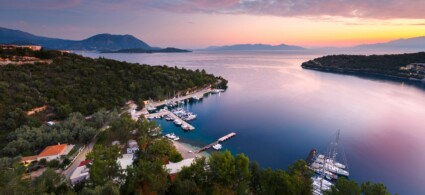
The capital Vathy is reflected in the calm waters of a natural bay deeply carved into the coastline, creating one of the most picturesque harbours in the archipelago. The interior of the island, covered with olive groves, vineyards and cypress forests, offers numerous hiking trails leading to secluded monasteries, crystal-clear springs and breathtaking views of the Ionian Sea.
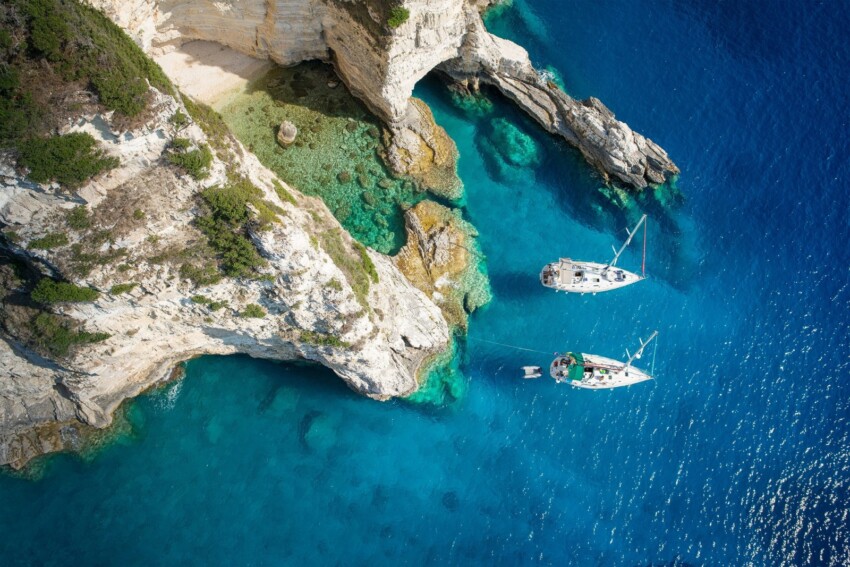
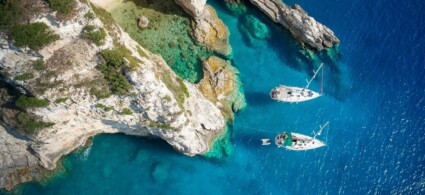
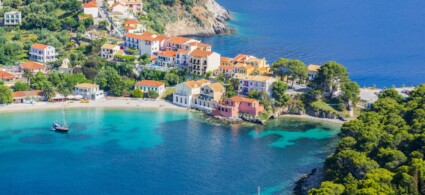
Paxos is a small jewel of just 25 square kilometres that enchants with its neoclassical harbour of Gaios, where pastel-coloured houses are reflected in the turquoise waters. The island is famous for its spectacular sea caves along the west coast, which can be reached by boat excursions revealing scenery of rare beauty.
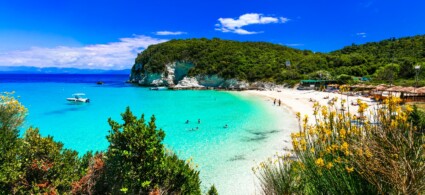
Antipaxos, located just 2 kilometres south of Paxos, is home to two of the most beautiful beaches in the entire Mediterranean: Vrika and Voutoumi. These paradisiacal bays, with white sand and crystal-clear waters with Caribbean tones, are only accessible by sea and represent one of the most exclusive experiences in the Ionian archipelago.
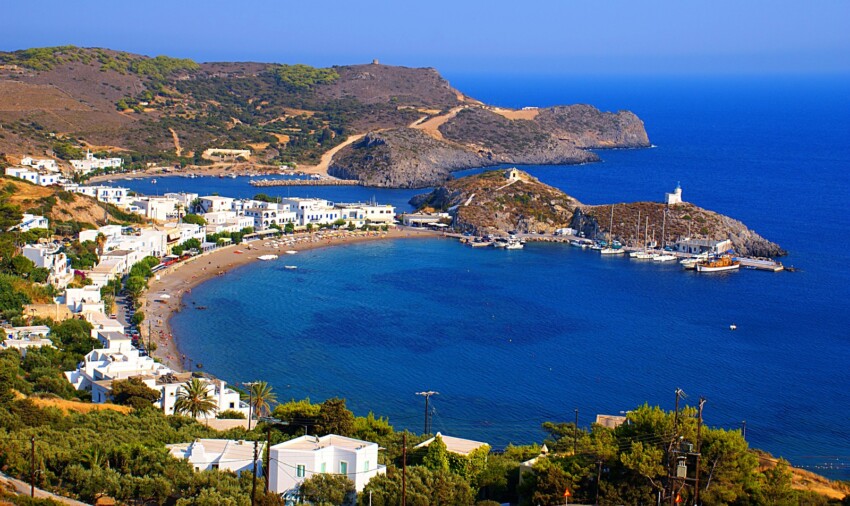
Kythera (Kythira), geographically separated from the other Ionian Islands and located between the Peloponnese and Crete, is the island of myth linked to the birth of Aphrodite from sea foam. This authentic and un-touristy destination offers varied landscapes ranging from the waterfalls of Mylopotamos to traditional villages perched on hillsides.
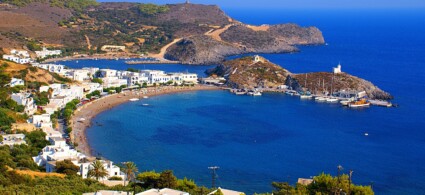
The capital Chora is dominated by an imposing Venetian castle offering spectacular views, while the rugged coastline hides wild bays and secluded beaches such as Kaladi and Diakofti. The island keeps local traditions intact and represents the most authentic Greece, ideal for travellers seeking genuine experiences off the conventional tourist track.
Air transport is the fastest way to reach the Ionian archipelago. Corfu has the region’s most important international airport, served during the summer by numerous direct flights operated by low-cost and traditional airlines with a flight time of about 1 hour 30 minutes.
Zakynthos and Kefalonia are also well connected during the summer months, while the airport of Aktion/Preveza (for Lefkada) receives mainly charter flights. During the winter months, many direct connections are suspended, making it necessary to stop over in Athens or to use the sea connections.
Inter-island ferries effectively connect the different islands: from Corfu there are connections to Paxos and the Diapontie islands, while from Kefalonia there is easy access to Ithaca, Lefkas and Zakynthos.
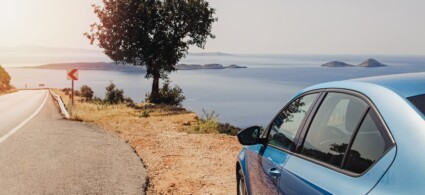
Those who prefer to explore the archipelago with more freedom can opt for car rental directly on the chosen island, taking advantage of the many local agencies and competitive rates, especially if booked online in advance. The roads in the Ionian Islands are generally in good condition and well signposted, although some seaside resorts can only be reached via dirt roads or footpaths.

 Hotel
Hotel 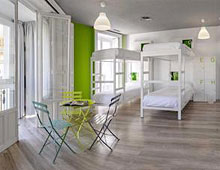 Budget accommodations
 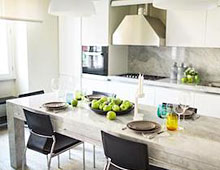 Apartments
  Family Hotel
 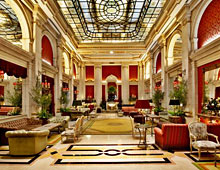 Luxury Hotel
 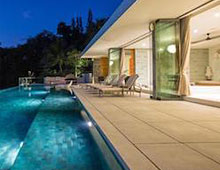 Resorts