Paxos is the mythical island created by Poseidon to have a private corner for himself and his beloved. It has remained exclusive, but is no longer reserved for the gods!
According to Greek mythology, the island of Paxos (also known as Paxi) was created by Poseidon, the god of the sea, who cut off a chunk of Corfu with lightning in order to create a private corner for himself and his beloved to escape to.
Even today, many couples choose Paxos as a getaway destination, but you don’t have to be a god or a billionaire to visit this corner of paradise on earth. This beautiful island attracts an elite tourism, mostly regulars who return regularly each year, but despite its reputation as an exclusive resort, it is actually accessible to any type of traveller.
Paxos is a quiet island, unsuitable for those who love nightlife and entertainment. However, this does not mean that it is a boring island: it is not infrequent that an evening that started with a simple dinner in the company of locals turns into a street party with dancing and singing!
When to go to Paxos
The general advice for all Greek islands also applies to Paxos: the best time to visit is early or late summer. This way you will find warm temperatures and slightly lower prices. The least rainy months are July and August, but these are also the most crowded.
Beaches of Paxos
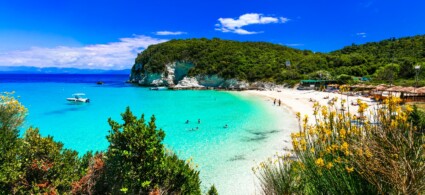
The island of Paxos is characterised by a rocky coastline and a total absence of sandy beaches. The only exception is Mongonissi, an equipped beach about 4 km from Gaios. Another option for those who like sandy beaches is to travel to the island of Antipaxos, which is only 3 km away.
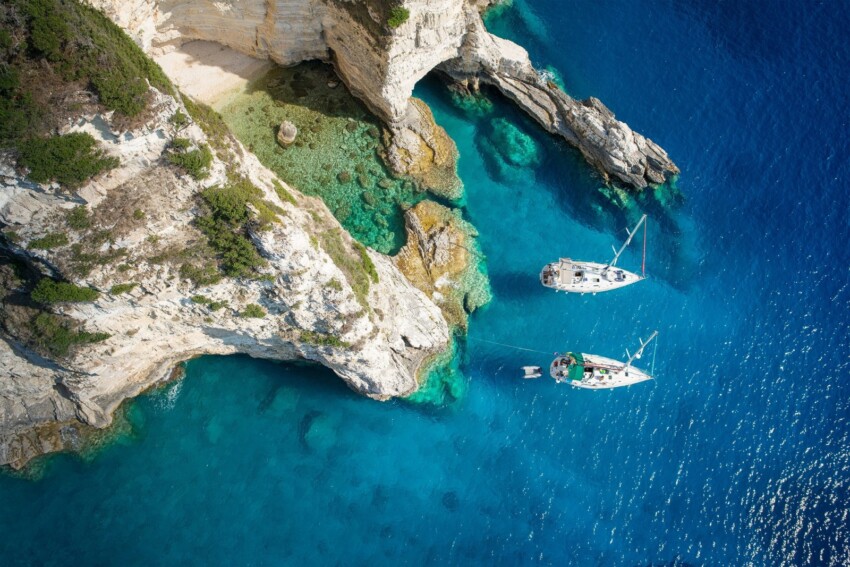
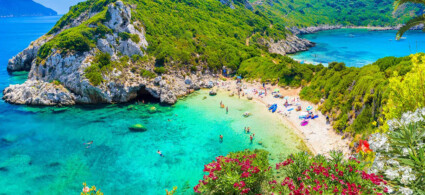
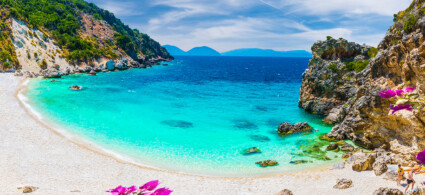
Lovers of rocky beaches, on the other hand, will find a large number of coves and inlets, more or less large, washed by some of the cleanest waters in Greece. For this reason, Paxos is highly recommended to those who love holidays by the sea!
The most beautiful beaches on Paxos are probably Kipiadi Beach and Kimos, near Porto Longos. They can be reached on foot by following a steep path through the greenery.
Here are other beaches not to be missed in Paxos, divided by zone:
Gaios area: Kaki Langada, Agia Marina, Lionisskari, Sulanena, Giana, Ballos
Porto Longos area: Marmari Beach, Levrechio, Alati Beach
West coast: Spilies, Galazio, Avlaki
If you like naturism, be careful because it is not very widespread on Paxos. Two beaches that are suitable for those who don’t want to do without a full tan are White Bay and Lakkos Beach.
Things to do in Paxos
Despite being a small island, Paxos offers some interesting historical and cultural attractions including three museums that are ideal to visit during the hottest hours of the day to get some shelter from the sun:
Olive Mill Museum: the olive tree is one of the symbols of Paxos. If you want to learn more about the island, don’t miss this museum dedicated to the cultivation of the olive tree and the production of oil, which is the main economic activity on Paxos.
Folklore Museum: displays a collection of traditional clothes and everyday objects from the island’s rural civilisation.
Museum of local history: could there be any lack of archaeological finds on a Greek island? Of course not. You will find these and other artefacts going all the way back to the time of Ottoman rule.
All three museums are located in Gaios.
During your holiday, take time to visit the island’s fascinating hinterland with its traditional villages or drive along scenic coastal roads.
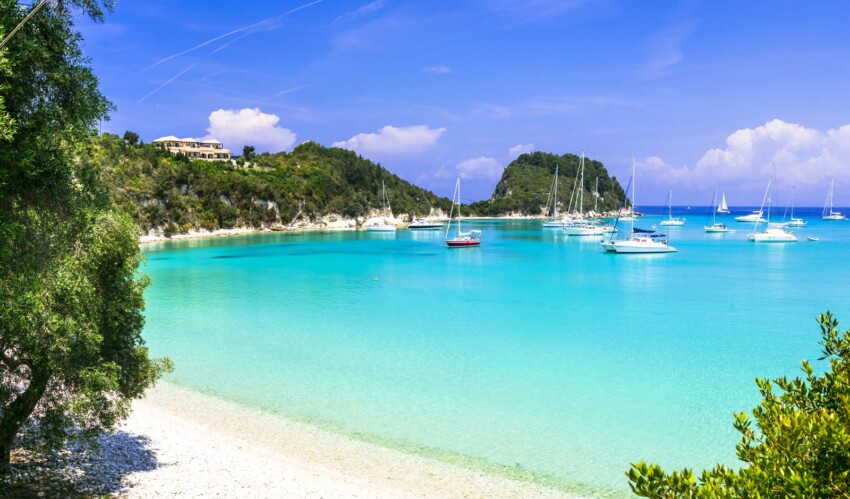
One of the most beautiful villages on Paxos is Porto Longos, east of Lakka, a cluster of small houses gathered around a pebble bay. A few bars, restaurants, souvenir shops: nothing more, but it is charming. Behind the old town centre, a few paths run through the olive groves: fascinating routes with which you can reach remote coves. Other villages not to be missed are Ozias, Vellianitatika and Magazia.
Exploring the sea caves is an activity not to be missed, with spectacular formations such as the Blue Cave and the Cave of Ortholithos, accessible only by sea and characterised by extraordinary plays of light. Trekking trails criss-crossing the island allow you to discover ancient olive groves, small Byzantine churches hidden among the vegetation and viewpoints offering breathtaking views of the entire Ionian archipelago. The Church of Agios Charalambos, located at the highest point on the island, offers spectacular views and preserves important 16th century Byzantine icons.
Can’t resist the allure of lighthouses? North of Lakka you will find the Piani lighthouse, a beautiful subject to photograph!
Boat trips to Antipaxos
An absolute must during a holiday in Paxos, as on any island, is a boat trip. You can choose between a day trip to the island of Antipaxos, which you can reach by water-taxi, or a boat tour of Paxos. The latter is the best way to appreciate the island’s beautiful coastline and discover coves and caves that would otherwise be impossible to reach (including the impressive cave of Ipapanti).
The hotel offer on Paxos is mainly aimed at the high-end, with a large number of villas and residences that are rented out for long periods, often booked from year to year by regulars.
Don’t give up, though: it really is worth making a little effort and looking for accommodation in Paxos, avoiding a day trip from Corfu or mainland Greece as many budget travellers do. There are few hotels and b&b’s in Paxos, so it is better to focus on flats and holiday homes. If you start looking a little in advance, you can find good accommodation at affordable prices.
The majority of hotel facilities are concentrated in the two main settlements of the island: Gaios and Lakka.
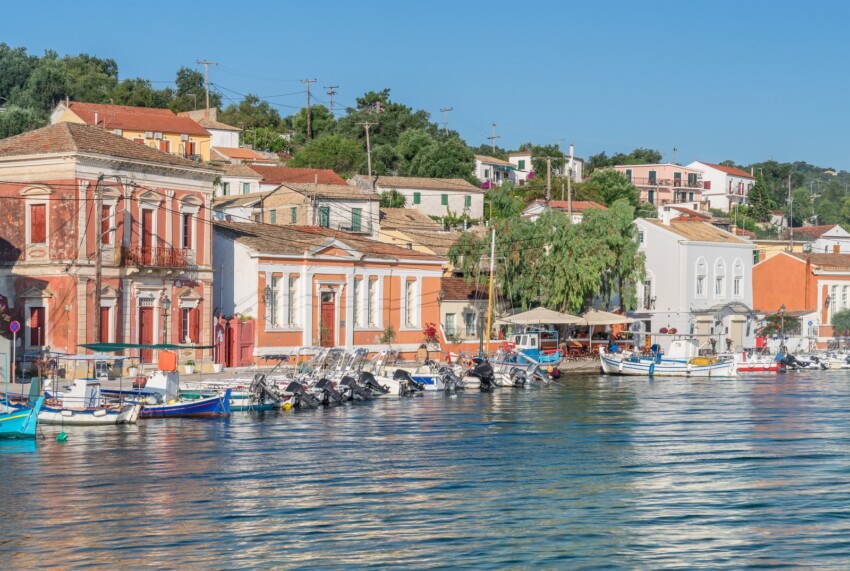
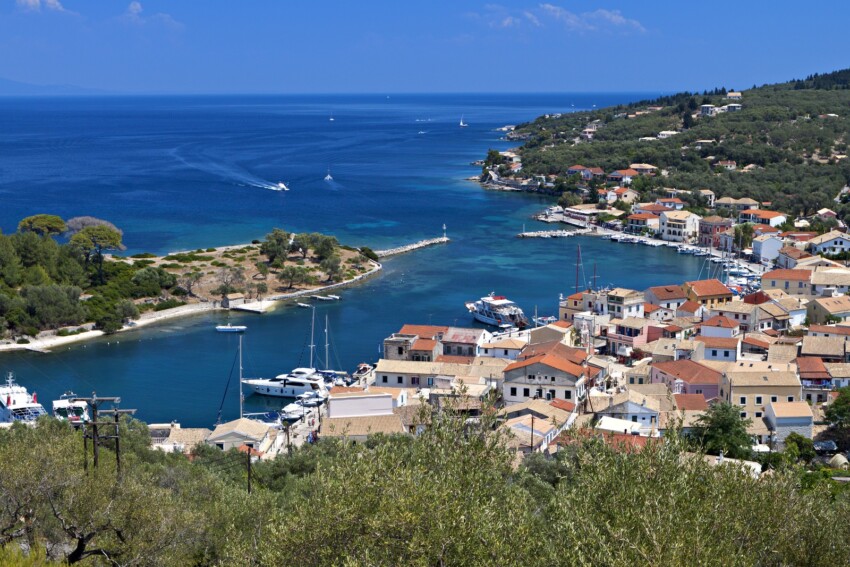
Gaios is the capital of Paxos, located along the east coast of the island. It is a pretty town with elegant pastel-coloured buildings, a lively square and a pedestrian promenade perfect for a relaxing after-dinner stroll. Not far from the centre are small coves that are ideal for those who want to get to the beach without too much travelling; taxis also depart from the small harbour for the island of Anti-Paxos. Because of its central location, Gaios is a good base for exploring the island.
The town of Lakka is located on the northern end of the island. It is a quaint seaside village, nestled between the blue Ionian Sea and the green expanses of olive groves. The small old town has a very romantic atmosphere, with buildings that reveal clear Venetian influences. From here, numerous boat excursions depart for some of the island’s most beautiful beaches and caves. We recommend Lakka to those who want a quiet location and who love nature.
We offer best rates If you find it cheaper we refund the price difference.
Free cancellation Most properties allow cancellation without penalty.
We're available 24 hours a day For any problem call Booking.com.
Recommended hotels in Paxos
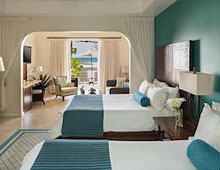
We offer a selection of hotels at Paxos to suit all categories of travellers. The most booked by tourists are the sea-facing hotels, often right on the beach. If you want to play it safe, choose one of the following: they are among the most booked hotels in Paxos, sorted by number of reviews.
If you prefer space, privacy and the ability to prepare your own meals to a hotel holiday, book a holiday home at Paxos. We recommend a few below, but in this case we advise you to book early because houses and apartments for rent at Paxos are in high demand.
Paxos can only be reached by sea, with regular connections mainly from Corfu (1 hour) and Igoumenitsa (1.5 hours). The busiest and most convenient route is from Corfu, with multiple daily departures during the high season.
The most convenient option is just to fly to Corfu and then continue by local ferry. During the summer, some operators offer daily excursions from Corfu and the other Ionian Islands.
Once on the island, hiring a car is recommended to explore the more remote beaches and villages, considering that public transport is very limited. The roads are narrow but well-maintained, and the island can be crossed completely in about 20 minutes by car. Many visitors prefer to rent scooters or use taxi boats to move between the beaches.
Where is located Paxos
Paxos is located in the Ionian Sea, just 12 km south of Corfu, about 20 km from the west coast of mainland Greece and 8 km from Albania.
 Hotel
Hotel 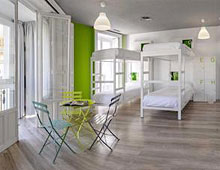 Budget accommodations
 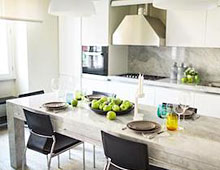 Apartments
  Family Hotel
 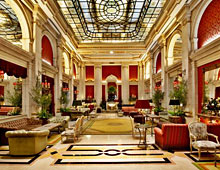 Luxury Hotel
 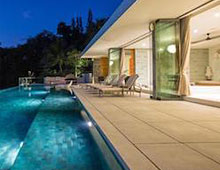 Resorts