Vourvourou Hotel
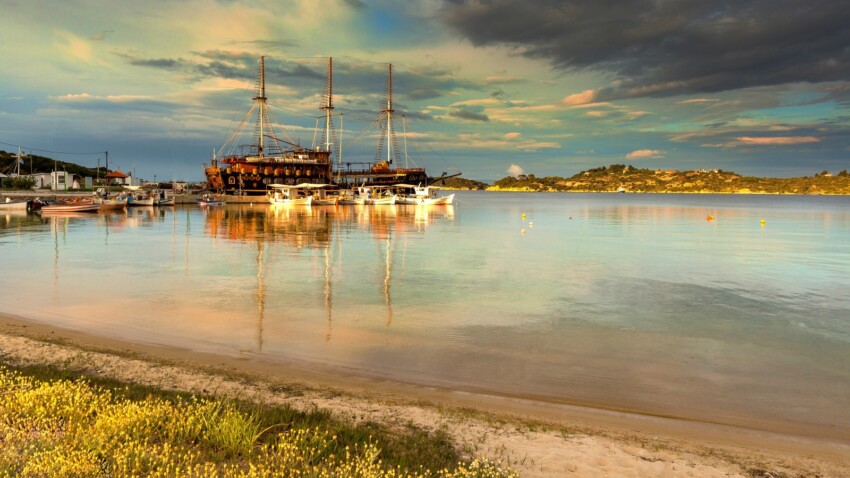
Sithonia represents the most authentic and untamed face of Chalkidiki, a mountainous peninsula that stretches 50 kilometres into the Aegean Sea while retaining its natural character. Situated between bustling Kassandra and the mystical Monastic Republic of Mount Athos, Sithonia offers the perfect balance of unspoilt beauty and discreet tourist services. Its rugged coastline holds some of the most beautiful beaches in mainland Greece, where crystal-clear waters lap hidden bays surrounded by pine forests that descend to the sea.
The peninsula, which the Greeks call Σιθωνία, is named after the ancient king of the giants Sithon, son of Poseidon according to Greek mythology. The mountainous terrain reaches its highest elevation with Mount Itamos (817 metres), creating a varied landscape of ancient forests, fertile valleys and spectacular cliffs. Unlike the other Chalkidiki peninsulas, Sithonia has preserved a sustainable tourist development that respects the natural environment and local traditions.
The beaches of Sithonia are renowned throughout Greece for their wild beauty: from Vourvourou with its turquoise lagoons to the golden dunes of Toroni, each bay offers unique characteristics. The waters of the Toronian Gulf and Singitikos Gulf, which wash the eastern and western coasts respectively, maintain ideal temperatures from May to October thanks to the natural protection offered by the surrounding mountains.
For those seeking a destination that combines relaxation, unspoilt nature and Greek authenticity, Sithonia offers a unique experience where mass tourism has not yet compromised the original beauty. The Chalkidiki peninsula as a whole represents one of the hidden gems of northern Greece.
Sithonia offers a mosaic of natural and cultural attractions ranging from paradisiacal beaches to traditional villages, from ancient archaeological sites to spectacular mountain landscapes. Each resort has retained its own distinctive identity, providing different experiences along the peninsula’s 180 kilometres of coastline.
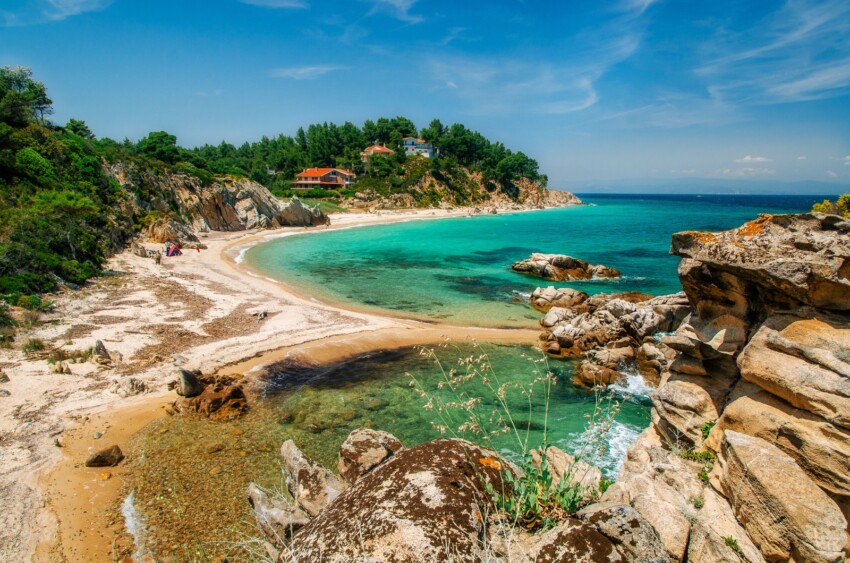
Vourvourou is considered the pearl of Sithonia, a resort where turquoise waters create tropical lagoons in a Mediterranean setting. The village is built around a protected natural bay where the nine islets of Diaporos are mirrored, reachable in a few minutes by boat or kayak. The uninhabited and wild archipelago offers beaches of white sand and crystal-clear seabed ideal for snorkelling and free diving.
The main beach of Vourvourou stands out for its shallow waters that maintain pleasant temperatures even in the early morning hours, making it perfect for families with children. The centuries-old pine forests surrounding the bay create natural shady areas and perfume the air with Mediterranean resin. The local nautical centre rents licence-free boats, kayaks and water sports equipment, allowing for independent exploration of the archipelago. During the summer, organised excursions include guided snorkelling and fresh fish lunches on deserted islands.
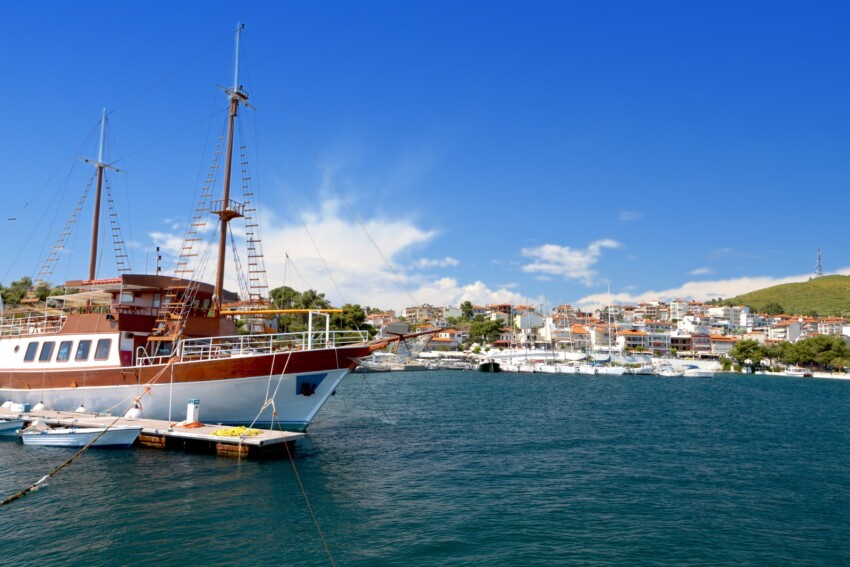
Neos Marmaras is the most developed tourist centre of Sithonia, a modern town built in the 1920s to accommodate Greek refugees from Asia Minor. The town is spread over three levels: the marina with fish restaurants and seafront bars, the shopping centre with shops and services, and the residential area that climbs the surrounding hills. The location on the west coast guarantees spectacular sunsets reflected in the Toroneo Gulf.
The marina of Neos Marmaras can accommodate yachts of up to 25 metres and is an ideal starting point for exploring the coast of Sithonia. The morning fish market offers the best of the local catch: snapper, gilthead bream, squid and the prized tuna of Sithonia caught using traditional methods. Nightlife is lively but unobtrusive, with beach bars organising summer parties and restaurants serving modern Greek cuisine until late at night. The summer festival of Marmaras, which takes place in August, celebrates local traditions with concerts, folk dancing and gastronomic festivals.
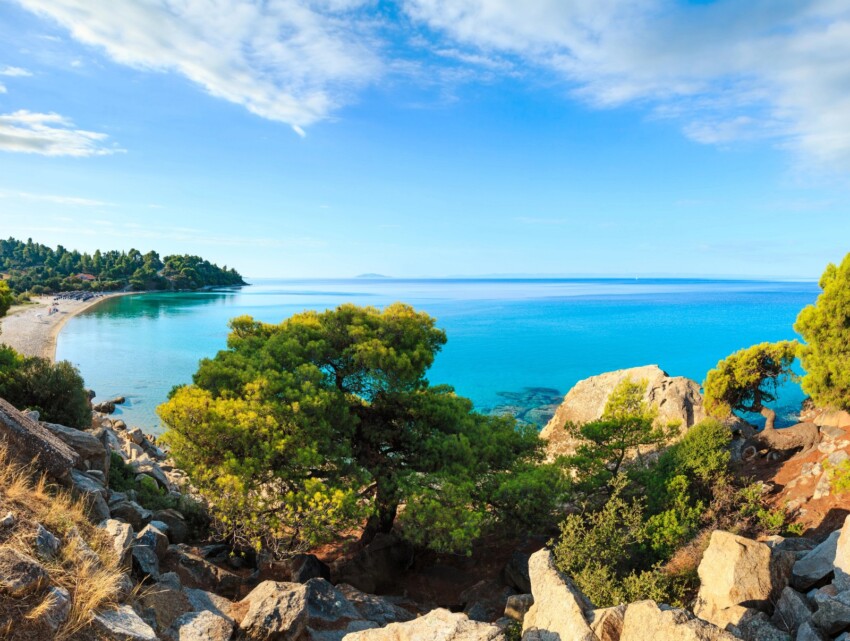
Nikiti preserves one of the most authentic old towns in Chalkidiki, with traditional stone houses from the 19th century bearing witness to traditional Macedonian architecture. The old village, perched on a hill 2 kilometres from the sea, retains its old-world atmosphere with cobbled streets, flower-filled courtyards and craft shops. The 18th-century church of Agios Nikitas contains Byzantine frescoes and offers exceptional views of the west coast of Sithonia.
The new centre of Nikiti stretches along the coast with a 3-kilometre-long sandy beach, equipped with all amenities and awarded the Blue Flag for water quality. The pedestrian promenade connects the marina to the centre, lined with taverns serving local specialities such as herb lamb and goat cheese produced inland. Horse-riding excursions depart from the local equestrian centre via trails that pass through centuries-old olive groves and reach vantage points on the Mount Athos peninsula.
Porto Koufo holds one of the largest and most protected natural harbours in the Mediterranean, an almost completely enclosed circular bay that inspired the Greek name ‘deaf harbour’ due to the absence of waves even during storms. This natural amphitheatre, carved by sea erosion into Jurassic limestone rocks, offers a safe haven for boats and a unique microclimate with always calm waters.
The small fishing village maintains an authentic atmosphere with taverns serving freshly caught fish: lobster from Sithonia, wild sea bass and grilled octopus accompanied by local wine produced in the vineyards of the surrounding hills. Scuba diving excursions reveal seabeds rich in marine life, with underwater caves and Posidonia oceanica meadows guaranteeing crystal-clear waters. The scenic promenade around the bay offers exceptional photo points, especially at sunset when the rocks turn pink.
Toroni combines one of the longest beaches in Sithonia (5 kilometres of golden sand) with important archaeological evidence of the ancient Corinthian colony founded in the 7th century BC. The remains of theancient acropolis dominate the modern bay, while Roman mosaics and Byzantine baths tell two thousand years of Mediterranean history. The 14th century Byzantine castle, built on the remains of the ancient fortress, offers spectacular views of the southern coastline.
Toroni beach is distinguished by its natural dunes stabilised by Mediterranean vegetation, a protected ecosystem where sea lilies and coastal junipers grow. The shallow waters and fine sand make this area ideal for families, while water sports are possible thanks to the constant but not excessive winds. The local archaeological museum displays exhibits from the ancient city, including coins, ceramics and sculptures illustrating Toroni’s commercial importance in antiquity.
Sarti occupies a privileged position on the east coast of Sithonia, overlooking the Singitikos Gulf with exceptional views of Mount Athos and the Northern Sporades Islands. The village, rebuilt in the 1930s after the earthquake that destroyed the original settlement, features modern architecture harmoniously integrated into the natural landscape. The main beach stretches for 2 kilometres with golden sand and crystal-clear waters protected from the northern winds.
The marina of Sarti hosts a fleet of traditional fishing and pleasure boats, creating an authentic maritime atmosphere. Seafront taverns serve fresh seafood specialities, while boat excursions allow visitors to explore coves inaccessible by land. The local diving centre organises dives on the ancient wrecks of the Singitikos Gulf, where you can admire Roman amphorae and evidence of medieval trade. The seaside promenade winds its way past restaurants, bars and craft shops selling local products.
Sykia represents the wilder face of Sithonia, a small village surrounded by centuries-old olive groves that stretch to the limestone cliffs of the eastern coast. The resort is famous for Orange Beach, one of the most photographed beaches in Greece for its ochre-coloured rocks that contrast with the deep turquoise sea. This hidden cove, accessible only on foot via a 15-minute path, offers a completely natural beach experience.
The traditional village of Sykia preserves Macedonian rural architecture with local stone houses and courtyards shaded by hundred-year-old plane trees. The organic olive groves surrounding the village produce an extra virgin olive oil of exceptional quality, recognised with European certificates. Nature walks start from the centre of the village along paths through the Mediterranean maquis, home to rare species such as thewild orchid and the thorny caper. The 16th century church of Agios Athanasios preserves Byzantine icons and offers a privileged vantage point over the coast.
Kalamitsi occupies the southern end of Sithonia, where the peninsula tapers off to form Cape Drepano, a wild promontory offering 360-degree views of the two gulfs that wash Chalkidiki. The village retains an authentic character with traditional houses scattered among olive groves and vineyards, creating a rural landscape of rare beauty. The isolated location has preserved intact ecosystems where wild boar, foxes and numerous species of migratory birds can be spotted.
The beach of Kalamitsi combines fine sand and colourful pebbles in a bay protected from the main winds, ensuring consistently calm waters ideal for swimming. Freshwater springs bubbling up directly on the beach create cool natural pools that are appreciated on hot days. The Cape Drepano lighthouse, built in 1888 and still active, can be reached via a scenic path through the Mediterranean garrigue. The village’s family taverns serve roast lamb and cheeses from the local flocks, accompanied by red wine from the hillside vineyards.
In the following map you can see the location of the main places of interest mentioned in this article.
Sithonia offers a wide range of accommodation that reflects the authentic character of the peninsula, from eco-sustainable facilities surrounded by nature to discreet resorts overlooking the most beautiful bays.
Vourvourou and the north coast host the most exclusive accommodation, from boutique resorts with direct access to turquoise lagoons to private villas with swimming pools and sea views. This area is ideal for those seeking absolute tranquillity and direct contact with nature, with facilities offering personalised services and nautical activities.
Neos Marmaras and the central area represent the heart of the tourist offer with modern hotels with spas and wellness centres, aparthotels for extended stays and family-run bed & breakfasts in the old town. The area offers the best balance of services, restaurants and nightlife, making it perfect for those wishing to explore the entire peninsula.
East Coast and Sarti offer accommodation with spectacular views of Mount Athos, from boutique hotels perched on cliffs to renovated traditional houses in the centre of villages. This area is popular with those seeking authenticity and tranquillity, with establishments that retain local architecture and offer zero-kilometre products.
Sithonia occupies the central peninsula of Chalkidiki, and is 120 kilometres from Thessaloniki, 400 kilometres from Athens by land and 30 kilometres from Polygyros, the administrative capital of the region.
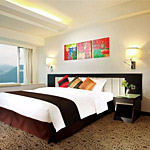
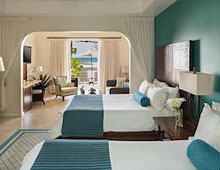 Hotel
Hotel 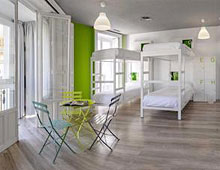 Budget accommodations
 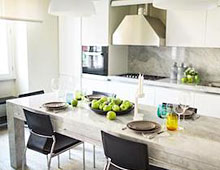 Apartments
  Family Hotel
 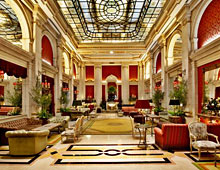 Luxury Hotel
 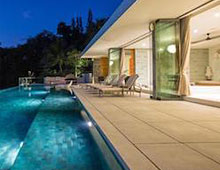 Resorts