UrbanBay Hotel & Spa
Kavala - 1 Tinou
Book now
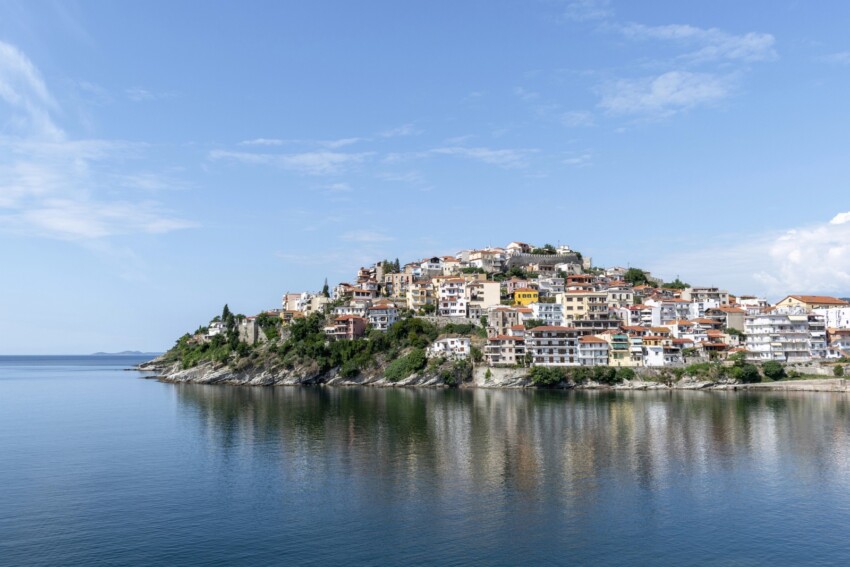
Kavala is one of the most fascinating cities in northern Greece, a jewel still little known to mass tourism that overlooks the Aegean Sea. Perched on a hill in the shape of a natural amphitheatre, the city is built around a picturesque harbour and offers breathtaking views of the sea and surrounding mountains. The contrast between the old town (Panagia), with its traditional houses and cobbled streets, and the new town, with its tree-lined boulevards and bustling commercial life, makes Kavala a complete destination.
The thousand-year history of this city can be felt in every corner: founded as a Thassos colony under the name of Neapolis in the 7th century B.C., it then became an important trading centre in Roman times under the name of Christoupolis, until it transformed into the modern Kavala after the Ottoman rule. Today it is the second most important port in northern Greece after Thessaloniki and boasts an authentic atmosphere where Greek traditions and oriental influences blend harmoniously.
Kavala is a city full of historical, cultural and natural attractions that deserve to be explored at leisure. Its unique amphitheatre-shaped urban development provides unforgettable panoramic views and makes it an exceptional photographic destination, comparable to many other locations in mainland Greece.
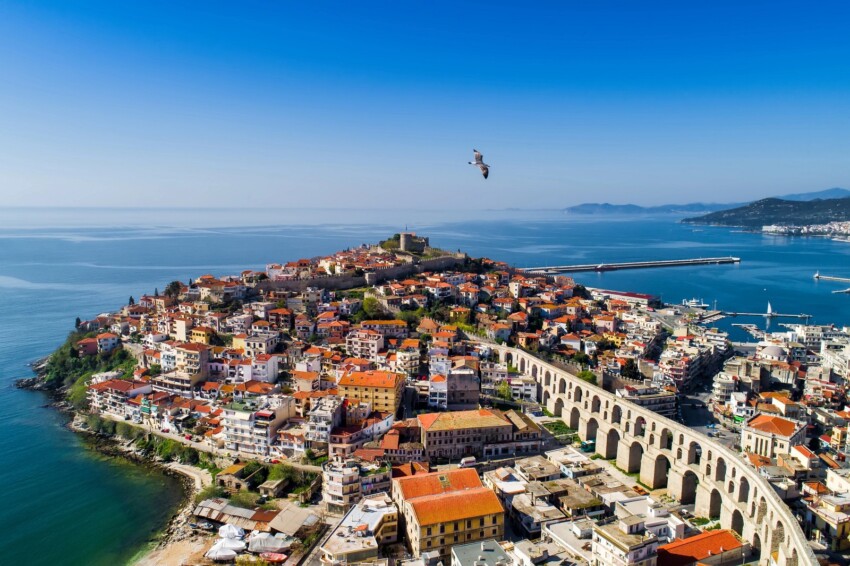
The Kamares Aqueduct is undoubtedly the most recognisable symbol of Kavala. This imposing structure, standing majestically in the heart of the city, was built in the 16th century during the Ottoman occupation to supply water to the fortress on the hill. With its 60 two-tiered stone arches spanning some 280 metres, it represents one of the best-preserved examples of Ottoman architecture in the Balkans.
The aqueduct connected the hill of Panagia (the old city) with the opposite mountain, creating not only a functional piece of engineering, but also an architectural element that still strongly characterises the cityscape today. Particularly striking is the view of the aqueduct illuminated at night, when the arches stand out against the dark sky creating a magical atmosphere.
The House of Mehmet Ali is a magnificent example of 18th century Macedonian architecture, perfectly restored and converted into a museum. This historic building is the birthplace of Mehmet Ali Pasha, founder of modern Egypt and one of the most influential figures of the Ottoman Empire. The house is located in the heart of the old city (Panagia) and offers an interesting insight into aristocratic life at the time.
The museum houses a rich collection of period furniture, personal items, paintings and historical documents that tell the story not only of Mehmet Ali’s life, but also the history of Kavala during the Ottoman period. Of particular interest is the inner courtyard with its typical Ottoman fountain and the original ceiling decorations in some rooms.
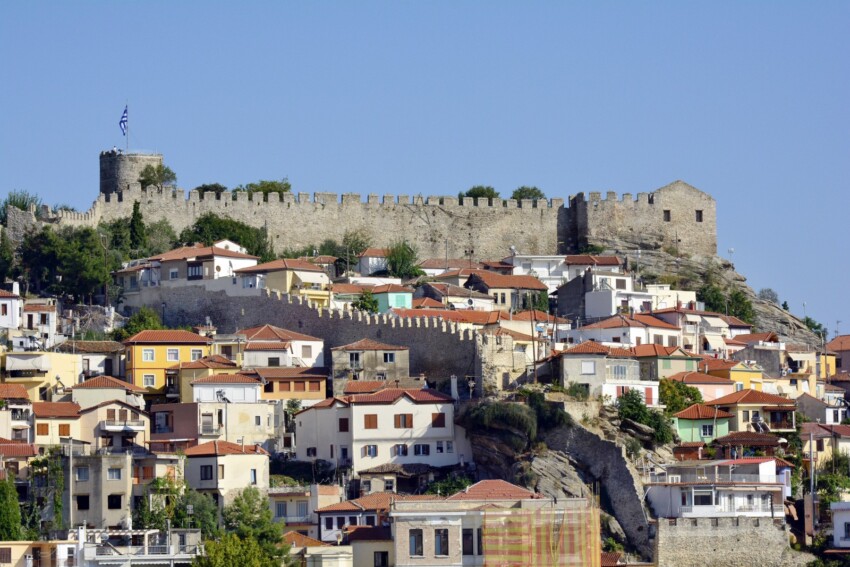
Perched on top of Panagia Hill, Kavala Fortress (also known as Kavala Castle or Panagia Fortress) majestically dominates the entire city and offers a spectacular panoramic view of the gulf and the island of Thassos. Originally built in Byzantine times and later expanded by the Ottomans in the 15th century, the fortress played a crucial role in the city’s defence for centuries.
Its mighty stone walls, corner bastions and central tower are well preserved and allow you to immerse yourself in the medieval atmosphere of the city. Inside the fortress is an open-air amphitheatre where concerts, theatre performances and film screenings are organised during the summer as part of the Philippi Festival. A visit at sunset will give you one of the most impressive views in all of northern Greece.
The Church of St Mary (Panagia) is the most important Orthodox cathedral in Kavala, located in the heart of the historic district of the same name. Built in 1965 on the foundations of an older church, this religious building is striking for its elegant modern Byzantine architecture with neoclassical influences.
Inside, you can admire beautiful frescoes, finely carved iconostases and precious Byzantine icons. The church is particularly lively during religious celebrations, especially during the Feast of the Assumption on 15 August, when processions and festivities are held throughout the district.
The Archaeological Museum of Kavala is a must-see for lovers of ancient history. Housed in an elegant modern building near the harbour, the museum holds a vast collection of artefacts documenting the rich history of the region, from prehistoric times to Roman and Byzantine times.
Particularly notable are the exhibits from the ancient city of Neapolis (present-day Kavala), neighbouring Philippi and the island of Thassos. Among the most valuable pieces are marble sculptures, painted ceramics, gold jewellery, ancient coins and well-preserved Roman mosaics. The exhibits are organised in chronological order and accompanied by information panels in several languages that will help you better understand the historical context of each exhibit.
A walk along Kavala’s waterfront is one of the most pleasant experiences the city has to offer. This wide pedestrian promenade runs along the harbour for about 2 kilometres, offering continuous glimpses of the sea and bustling harbour life. Lined with palm trees that provide shade on hot summer days, the promenade is dotted with outdoor cafés, traditional seafood restaurants and ice cream parlours.
Along the way you will come across the Fisherman’s Monument, a symbol of the importance of fishing in the local economy, and you can watch local fishermen mending their nets or selling the day’s catch directly from their boats. At sunset, when the lights of the city begin to light up and reflect on the water, the walk becomes particularly picturesque and romantic.
The Panagia quarter is the historical heart of Kavala, a labyrinth of steep cobbled streets that climb up the hill. This picturesque neighbourhood is characterised by traditional Macedonian houses, many dating back to the 18th and 19th centuries, with characteristic wooden balconies, red tiled roofs and colourful facades.
Getting lost in these alleys means stepping back in time and discovering corners of authentic Greek life. In addition to the House of Mehmet Ali and the Church of Panagia, the district is home to numerous small taverns serving local cuisine, craft shops and viewpoints from which to admire the harbour and the new town below. Particularly charming is visiting Panagia at dusk, when the lights of the houses come on creating a magical atmosphere.
Located at the end of the main harbour pier, the Kavala Lighthouse is another iconic symbol of the city. Built at the beginning of the 20th century, this red and white lighthouse, some 12 metres high, is still functioning and guides ships into the harbour of Kavala.
A walk to the lighthouse, especially at sunset, provides spectacular views of the city, the sea and the surrounding mountains. It is also a popular spot for local fishermen, who often gather here to ply their trade. In the summer months, the area around the lighthouse becomes a lively meeting point for residents and tourists alike.
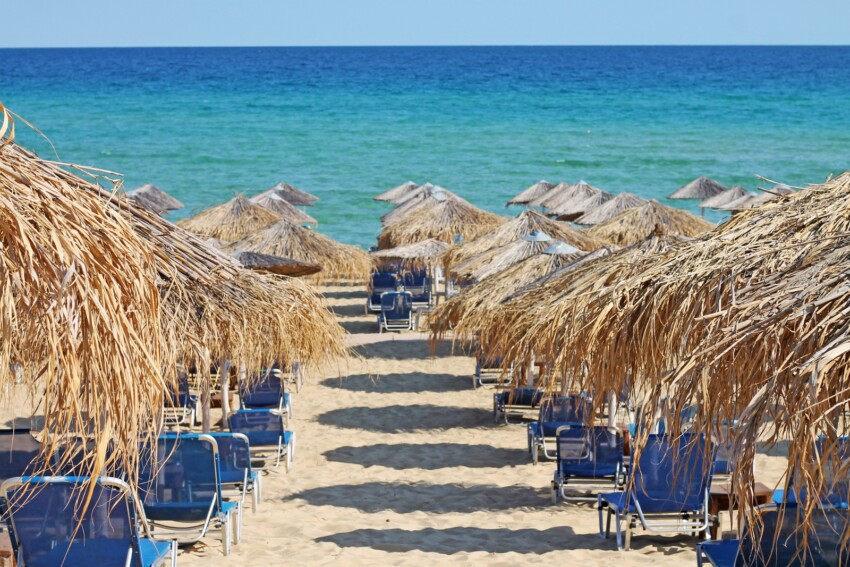
The coastline of Kavala and its environs is dotted with beautiful beaches that combine crystal-clear waters, excellent facilities and breathtaking scenery, offering ideal options for both families and young people looking for fun. The water quality is generally excellent, so much so that many beaches have been awarded Blue Flag status.
Just 3 km from the city centre, Batis beach is the most popular and easily accessible beach in Kavala. Awarded the Blue Flag for the quality of its waters, this small bay offers crystal-clear sea, fine sand mixed with pebbles and comprehensive facilities such as sunbeds, umbrellas, showers and a variety of bars and tavernas.
The beach is framed by lush vegetation that provides areas of natural shade during the hottest hours. With its relaxed and homely atmosphere, Batis is perfect for a refreshing break after exploring the town. From here you can also enjoy a unique view of Kavala, with the fortress and aqueduct looming in the background.
Tosca Beach is one of the hidden gems of Kavala’s coastline, located about 5 km east of the centre. This small cove offers crystal-clear turquoise waters and a peaceful atmosphere, ideal for those seeking relaxation away from the more crowded beaches. Surrounded by rocks and Mediterranean vegetation, Tosca is a small natural paradise where you can swim in clear waters and enjoy breathtaking views.
The beach is partially organised, with some sunbeds and umbrellas available, and nearby you will find taverns serving fresh fish and local specialities. It is particularly popular with locals, who consider it one of the most beautiful beaches in the area.
Approximately 8 km from the centre of Kavala, Kalamitsa Beach is a long stretch of golden sand and pebbles with gently sloping deep blue waters. This well-organised beach offers all the necessary amenities, including sunbeds, umbrellas, showers and a variety of seaside bars and restaurants.
Kalamitsa is particularly suitable for families due to its shallow waters and the presence of lifeguards during the summer season. The beach is easily accessible by car or by city buses that depart regularly from the centre of Kavala. On a clear day, from here you can admire the island of Thassos on the horizon.
About 17 km west of Kavala lies what many consider to be the most beautiful beach in northern Greece: Ammolofoi. Situated near the village of Nea Peramos, this beautiful stretch of fine white sand stretches for over 4 km, with sand dunes giving it an almost Caribbean feel. The crystal-clear turquoise waters and gently sloping seabed make it ideal for families with children.
Ammolofoi is well equipped with numerous beach bars, restaurants, sports areas for beach volleyball and water sports equipment rental services. During the high season it becomes very popular, especially at weekends, when it attracts visitors from all over the region and neighbouring Thessaloniki. To enjoy more tranquillity, it is advisable to visit on weekdays or during the months of May, June and September.
Palio Beach is located in the village of the same name about 10 km from Kavala and is a popular destination for local families. This long, sandy beach mixed with pebbles offers clear waters and a panoramic view of the Gulf of Kavala.
The beach is well organised with sunbeds, umbrellas and several restaurants and tavernas serving fresh fish dishes and traditional Greek cuisine. The promenade is pleasant for evening strolls, and the village itself has an authentic atmosphere with small shops and cafes. During the summer, Palio is lively but never overcrowded, offering a good balance between amenities and tranquillity.
Kavala offers several accommodation options, each with its own advantages and special features that meet different needs and budgets.
The historical centre of Panagia is undoubtedly the most charming and atmospheric area to stay. Here you will find boutique hotels in restored old mansions, small bed & breakfasts and flats for rent with breathtaking views of the harbour and the sea. Staying in this area will allow you to fully immerse yourself in the traditional Greek atmosphere and be within walking distance of major historical attractions such as the Fortress, the House of Mehmet Ali and the Aqueduct. Advantages include the authentic atmosphere and panoramic views, while disadvantages may be the steep streets to walk and the difficulty of access by car.
The harbour and waterfront area is another excellent option, particularly for those seeking convenience and easy access to restaurants, cafes and nightlife. Here you will find mid-range and superior hotels, many with sea view rooms. The location is convenient for exploring both the old and new town, and you will have plenty of seafood restaurants and places to enjoy Greek life on your doorstep. This area is also well connected by public transport for excursions in the surrounding area.
The district of Agios Ioannis, in the western part of the city, offers more modern and often cheaper hotels, ideal for those travelling by car and wanting to avoid the traffic in the centre. The area is quiet and residential, but still within easy reach of the main attractions.
Kavala enjoys a strategic location in northern Greece, about 160 km east of Thessaloniki and 680 km north of Athens. It is easily accessible by air, car or public transport, making it an excellent base for exploring eastern Macedonia and Thrace.
Kavala ‘Megas Alexandros’ International Airport (KVA) is located in Chrysoupoli, about 30 km east of the city centre. This modern airport operates direct flights to/from Athens all year round, with a frequency of 2-3 daily flights operated mainly by Olympic Air and Aegean Airlines. During the summer season (May-October), the airport also welcomes charter flights and direct connections to several European cities, mainly from Germany, the UK, Italy and Scandinavian countries.
To reach the centre of Kavala from the airport, you have several options. A public bus service connects the airport with the Kavala bus station, with runs coinciding with the arrival of main flights; the journey takes about 30-40 minutes. Alternatively, taxis are available outside the arrivals terminal but, if you prefer more autonomy, there are several car rental agencies at the airport where you can rent a vehicle for your stay.
A good alternative is Thessaloniki ‘Macedonia’ International Airport, which offers many more international connections throughout the year. From Thessaloniki, you can reach Kavala by car by driving east on the A2 motorway (Egnatia Odos) for about 160 km, a journey of about 1 hour and 45 minutes.
The surroundings of Kavala offer numerous historical, natural and cultural attractions that are worth a visit. The city’s strategic location makes it an ideal base for exploring the region of Eastern Macedonia and Thrace. Renting a car is certainly the most practical way to discover these destinations, allowing you to move around independently and reach even the most remote places.
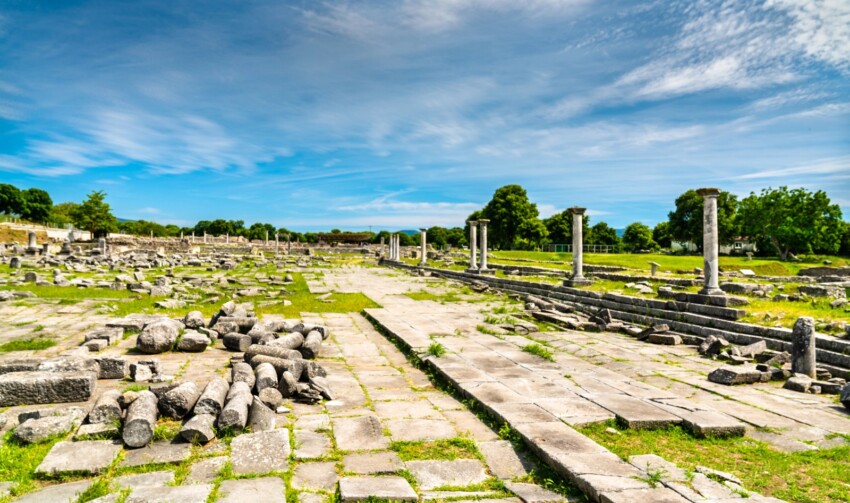
Among the most interesting destinations in the surroundings, you cannot miss the archaeological site of Philippi, a UNESCO World Heritage site located just 15 km from Kavala. This ancient city, founded by Philip II of Macedon (father of Alexander the Great) in 356 BC, is famous for its impressive remains that include a Roman theatre, forum, baths and early Christian basilicas. It was here that the Apostle Paul first preached in Europe, making Philippi an important religious site.
Another excursion not to be missed is the island of Thassos, which can be reached by ferry from the port of Keramoti (35 km from Kavala) in just 35 minutes. Thassos is known for its beautiful white sandy beaches, traditional mountain villages, pine forests and centuries-old olive groves. The island produces excellent olive oil and also boasts ancient quarries of white marble used in many ancient Greek monuments.
For nature lovers, the Nestos River Delta, about 40 km east of Kavala, offers a unique landscape of wetlands, lagoons and riverine forests, an ideal habitat for many species of migratory birds. Here you can go canoeing, birdwatching or simply enjoy the tranquillity of this protected ecosystem, an experience similar to what you might experience in other protected natural areas in Greece.
Kavala is located in northern Greece, in the region of Eastern Macedonia, overlooking the Aegean Sea, about 160 km east of Thessaloniki. It is amphitheatre-shaped on a rocky peninsula jutting into the Gulf of Kavala, opposite the island of Thassos, which is only 17 km from the coast. Kavala's geographical position, halfway between Thessaloniki and the Turkish border, makes it an important commercial and cultural crossroads.
 Hotel
Hotel 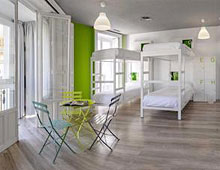 Budget accommodations
 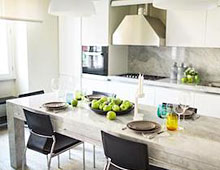 Apartments
  Family Hotel
 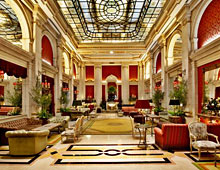 Luxury Hotel
 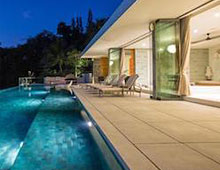 Resorts