Bestseller
From Athens: Small-Group Mycenae, Epidaurus & Nafplio Trip
From 29,44 €
Buy the ticket
Hidden among the barren hills of Argolis lies one of Greece’s most precious treasures: the ruins of Mycenae, one of the richest and most influential city-states of the ancient world.
Its heyday lasted a full 400 years, from 1600 to 1200 BC, during which time the city was so important that it gave its name to an entire era – the Mycenaean period – and a culture. A civilisation of traders, navigators and warriors who managed to wrest supremacy in the Mediterranean from the Minoans.
The name of Mycenae is inextricably linked to that of its most famous king: Agamemnon, supreme leader of all Greeks in the Trojan War, whose exploits were made immortal by Homer in the Iliad.
We owe the discovery of the ruins of Mycenae at the end of the 19th century to the operatic poems: after reading them with passion, the German archaeologist Heinrich Schliemann, already famous for the discovery of the city of Troy, set out in search of the ‘Mycenae rich in gold’ mentioned by Homer.
Today, you too can experience the thrill of stepping through the imposing gateway to one of the cities that have shaped the history of mankind and walk along paths and lanes once trodden by kings, warriors and maids.
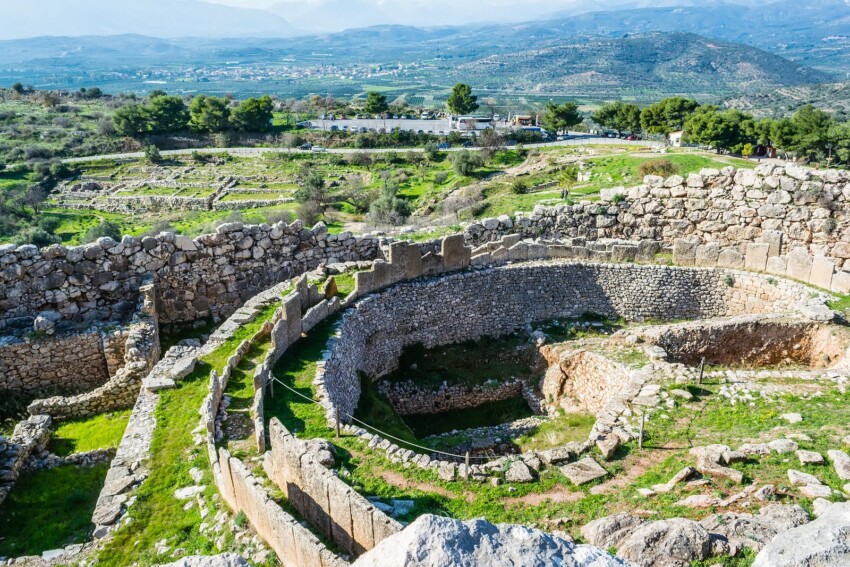
There are basically two attractions in Mycenae: the archaeological park with the ruins of ancient Mycenae and the archaeological museum.
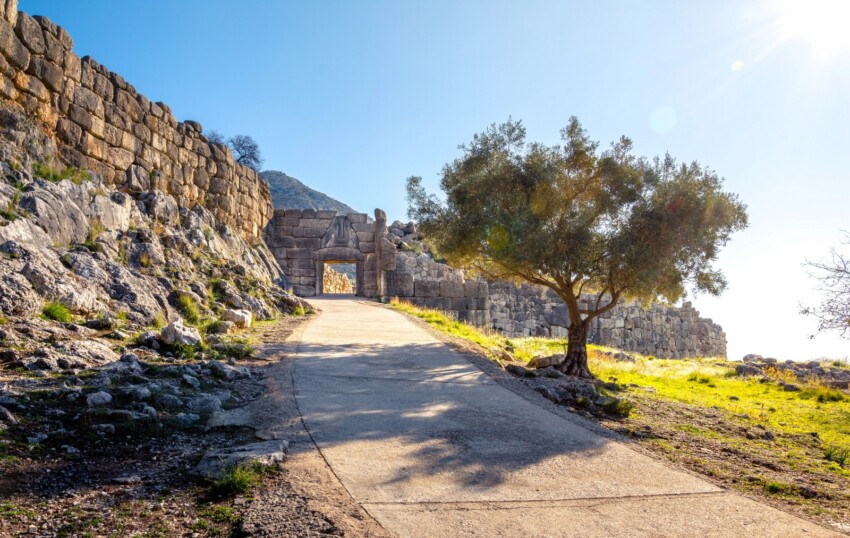
The symbol of Mycenae is the Lion’s Gate, the majestic entrance to the city. The gate, more than three metres high, is topped by a monolith decorated with two lions facing each other on either side of a column. It is almost certain that the column was used to hold a statuette, but its subject could not be defined. Did it depict the most powerful man in the city? A sacred animal? A deity? The answer remains shrouded in mystery and adds to the attraction of entering the ancient city.
As you cross the threshold, try to imagine yourself as archaeologist Schliemann entering the mythical city of Mycenae for the first time.
The Lion’s Gate opens along the wall complex that protected the ancient city, known as the Cyclopean Walls because of its enormous size (thickness ranging from 3 to as much as 8 metres!). According to legend, the construction of such imposing walls was only possible with the help of a Cyclops, the one-eyed giants of Homeric tradition.
Past the Lion’s Gate, climbing up narrow paths and stairways, you can reach the royal palace of Agamemnon and see the remains of the private chambers of one of the most famous kings of ancient Greece, the same rooms in which he was probably assassinated.
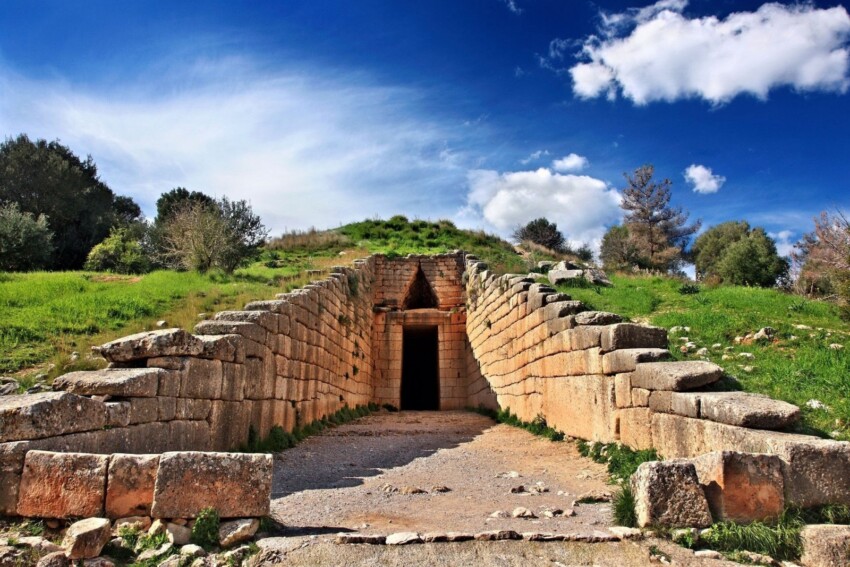
Another unmissable stop on a visit to ancient Mycenae is the Treasury of Atreus, also known as the Tomb of Agamemnon. It is a circular construction where a member of a royal family was certainly buried, but it has never been proven to be Agamemnon himself. Again, the mystery adds to the fascination of the place.
Six other circular tombs with the remains of 19 people have been discovered in the area, known as the Tombs of the Kings. These include the Tomb of Clytemnestra, wife of Agamemnon.
At the foot of the ancient citadel is the Archaeological Museum of Mycenae, interesting to visit before or after the historical ruins to better understand the importance of this city in the ancient world and the sophistication of the Mycenaean civilisation.
A photographic exhibition traces the history of the excavations that brought this fascinating treasure to life, while a collection of over 2,500 artefacts will introduce you to the Mycenaean civilisation in all its facets.
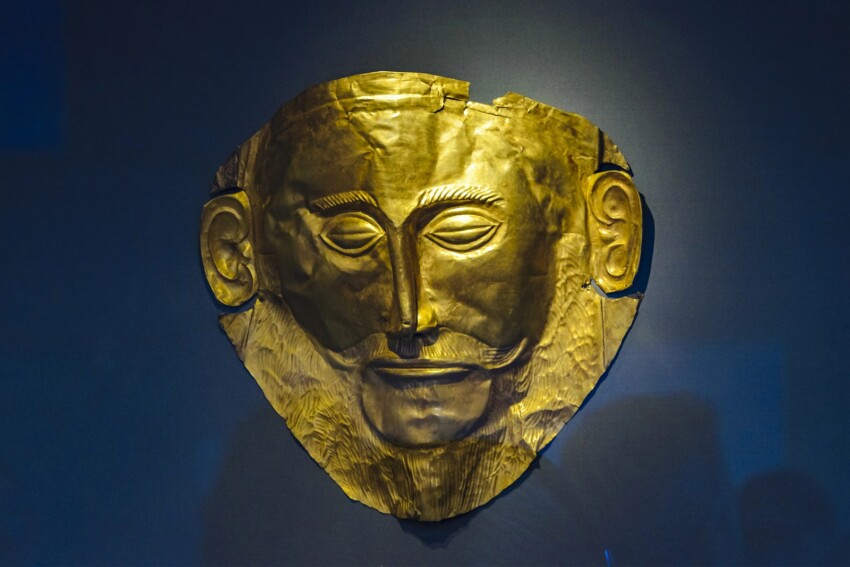
Some of the most beautiful works of art and handicrafts found in the excavations at Mycenae, such as the famous Mask of Agamemnon, can be admired at the Archaeological Museum of Athens.
The best way to reach Mycenae is with a rental car. From Athens take the motorway to Corinth and continue towards Tripoli for about 25 km until you meet the junction to Nafplio. Continue straight until you meet the exit for Mycenae. The journey time is about two hours.
If you prefer to travel by public transport, you can take a bus from Athens in the direction of Nafplio, departing approximately every hour. The journey time is about two hours, but from the bus stop to reach the archaeological park you will have to take a local bus or walk a bit.
Another possibility is to visit Mycenae on a guided tour departing from Athens. You can choose from several proposals: the classic itineraries include stops at all the most famous sites in the Argolis such as Epidaurus and Nafplio, or you can combine a visit to Mycenae with a boat tour of the Corinth Canal.
There are no hotels in the immediate vicinity of the archaeological park of Mycenae. The majority of tourists book a hotels in Napflio, where the hotel offer is quite varied, with proposals for all budgets ranging from cheap family-run guesthouses to luxury hotels with swimming pools.
Closer locations to Mycenae are Argos and Ireos, where, however, accommodation in the lower-middle price category prevails. They are therefore recommended for low-cost travellers and not for those looking for something exclusive.
The city of Mycenae is located in the Argolis, a Greek region in the Peloponnese peninsula, at a distance of approximately 130 km south-east from Athens and about 20 km from Nafplio (regional capital, also called Napflio). The sea is about 30 kilometres away.

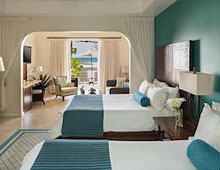 Hotel
Hotel  Budget accommodations
  Apartments
  Family Hotel
 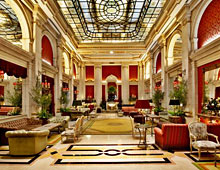 Luxury Hotel
  Resorts