Galina Holiday Home
Áyios Evstrátios - ΑΓΙΟΣ ΕΥΣΤΡΑΤΙΟΣ -
Book now
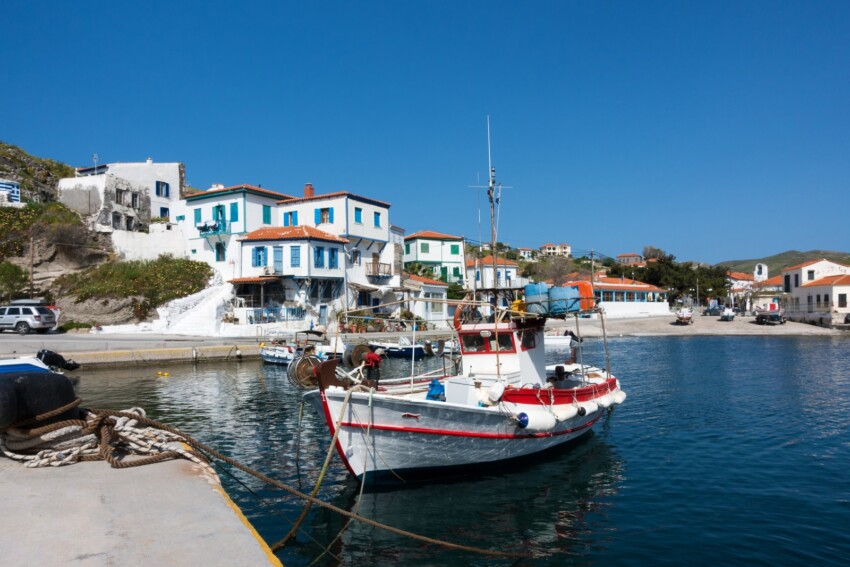
Agios Efstratios (also known as Agiostrati or Ai Stratis in the local dialect) is one of Greece’s hidden gems, a volcanic island floating in the northern Aegean like a little world apart. With a surface area of 43 km² and just 270 inhabitants, this destination represents the last frontier of sustainable tourism in Greece, where time seems to stand still and nature reigns supreme.
Located 30 km south-west of Limnos and 80 km north-west of Lesvos, the island is famous for becoming Greece’s first completely CO₂-neutral territory , a pioneering project using only renewable energy. Here, you will not find mass tourism or the commercial logic of the better known Greek island destinations: Agios Efstratios offers an authentic experience where fishing and farming are still the main activities of the inhabitants.
The island has a special history, having been used as a place of exile for political prisoners from 1928 to 1963, with some 6,000 inmates touching these shores over time. In 1968, a 7.2 magnitude earthquake almost completely destroyed the original village, leaving only a few historical buildings standing, such as the 1727 basilica of Agios Vasilios.
Post-earthquake reconstruction gave rise to the current settlement, characterised by modern buildings that, while lacking in traditional architectural charm, fail to overshadow the wild beauty of the surrounding landscape.
Agios Efstratios is not an island to be seen in the traditional sense, but rather to be lived and breathed. The main attractions are related to the unspoilt nature and the special history of this area.
The only settlement on the island is named after the island itself and is a small concentration of authentic Greek life. The present village, rebuilt after the earthquake of 1968, develops around the harbour in a valley formed by two river beds. This is where fishermen and their families live, creating an atmosphere of community solidarity where every moment is good to meet and chat in the traditional kafeneies.
Strolling through the village streets, you will notice the almost total absence of cars: people move around mainly on foot or in electric vehicles, part of the island’s green project. Life flows slowly, marked by the rhythms of fishing and the seasons, offering a glimpse of what Greece was like decades ago.
The basilica of Agios Vasilios, built in 1727, is one of the few historic buildings to have survived the devastating earthquake of 1968. This Orthodox church has become a symbol of resilience and continuity for the local community. Its stone walls tell centuries of history and represent the spiritual heart of the island.
The building retains traditional Cycladic architectural elements and houses 18th century frescoes that bear witness to local religious art. The basilica is located in the centre of the village and is easily accessible on foot from the harbour.
The Museum of Democracy is housed in the restored 1909 Marasleios School, one of the historic buildings saved from destruction. This museum space tells the dramatic story of the 6,000 political prisoners who were exiled to the island between 1928 and 1963, with a focus on the period of the colonels’ dictatorship.
The museum presents documents, photographs and testimonies that help to understand how Agios Efstratios was used as a place of confinement for dissidents and political opponents. Among the most notorious prisoners is the composer Mikis Theodorakis, author of the music for ‘Zorba the Greek’. The island’s history is intertwined with that of other destinations that were places of exile, such as Antikythera.
One of the most exciting places to visit are the ruins of the original village, destroyed in the 1968 earthquake. These ruins are located on the hill above the current harbour and offer a melancholic but fascinating view of what the island was like before the natural disaster.
Walking among the stone ruins, one can still make out the remains of the traditional Cycladic houses that characterised the ancient village. In a ruined church one can see ancient ossuaries, evidence of the centuries of history that these places have gone through. The path through the ruins is accompanied by the scent of wild poppies and the silence that envelops these places full of memory.
Agios Efstratios is included in the Natura 2000 project of the European Union and represents a unique case of environmental sustainability. The island uses only renewable energy (solar, wind and biomass) for its energy needs, while mobility is limited to electric vehicles and walking.
The south-eastern part of the island is characterised by an oak forest and wildlife that includes numerous species of migratory birds. Wild goats roam freely around the island, helping to maintain the natural balance of the volcanic ecosystem.
Mount Simadi, at 296 metres high, is the highest point on the island and offers spectacular views of the North Aegean. The ascent is accessible on foot via natural paths through low-cost Mediterranean vegetation.
From the summit there is a 360-degree view stretching from Limnos to Lesvos, with Chios visible on a clear day.
The island boasts an astonishing collection of unspoilt beaches, all concentrated mainly on the west coast where spectacular sunsets can be enjoyed. Most of these beaches feature dark-coloured volcanic sand and crystal-clear waters, typical of the volcanic islands of the Aegean.
Located directly in front of the village, Porto Beach is the only organised beach on the island. Characterised by dark volcanic sand and warm waters, it offers basic facilities such as umbrellas, showers and cabins. It is easily accessible on foot from the town centre and is an ideal choice for those who prefer comfort.
The beach has shallow waters that make it suitable for families with children, while its sheltered location protects it from the meltemi winds that frequently blow in the northern Aegean.
Considered the most beautiful beach on the island, Agios Dimitrios is located on the south coast and can only be reached by 4×4 vehicle or boat. This ‘dreamlike vision at the end of an endless valley’, as travellers describe it, offers a pure wilderness experience.
The beach has fine sand mixed with small pebbles and deep blue waters that seem stolen from precious gems. Conquering this beach is a small adventure that repays with landscapes of rare beauty and absolute solitude.
Located on the east coast, Agios Antonios is a medium-sized beach characterised by golden sand and crystal-clear waters. It can be reached via a footpath of about 10 minutes from the last accessible point by car. In front of the beach, the small islet of Velia is visible.
Its east-facing position makes it ideal for watching the sunrise over the Aegean, while the gradual seabed makes it perfect for swimming and snorkelling.
On the north-eastern coast lies Alonitsi, a wild and rocky beach that can only be reached by sea or via challenging trekking paths. This destination is reserved for the more adventurous and offers an experience of complete isolation.
The deep, crystal-clear waters are ideal for diving, while rock formations create small natural pools during low tide.
These two small coves are located on the south-western coast and can be reached by boat or quad bike. Both offer volcanic sand and calm waters thanks to their sheltered position in enclosed bays.
Their wild beauty and almost complete absence of visitors make them perfect for those seeking intimacy and direct contact with nature.
The accommodation offer of Agios Efstratios is deliberately limited and focuses on family accommodation run directly by the islanders. You will not find luxury hotels or resorts, but rather authentic accommodation that offers a local experience of life.
The most popular accommodations are studios and flats in the centre of the village, which allow you to experience the daily life of the islanders and have easy access to the harbour and the main services. Prices are moderate and reflect the island’s non-commercial approach to tourism.
Reaching Agios Efstratios requires patience and planning, as the island is only accessible by sea. There is no local airport and sea connections are limited but regular.
The most frequent connection is with Limnos, just 30 km away. The local ferry Aeolis makes the connection daily (except Sundays) with a crossing of about 1 hour 15 minutes. This service is mainly for islanders who need to run errands in Limnos.
To reach Limnos, you can fly from Athens with Aegean Airlines (internal flights of about 1 hour) or use ferries from Lavrio, Kavala or Thessaloniki.
The port of Lavrio, Greece’s third most important port after Piraeus and Thessaloniki, offers direct connections to Agios Efstratios via the Hellenic Seaway company. The crossing takes about 8 hours and allows vehicles to be taken on board, an ideal solution for those who want to take an ATV or off-road vehicle.
From the port of Kavala, located about 2 hours’ drive from Thessaloniki, ferries leave for Agios Efstratios with a crossing of about 6.5-7 hours. This option is convenient for those who arrive at Thessaloniki airport and prefer to explore northern Greece before reaching the island.
Connections are not daily, so it is essential to check timetables in advance and plan your trip accordingly.
Agios Efstratios is located in the North Aegean, precisely 30 km southwest of Limnos and 80 km northwest of Lesvos. The island belongs administratively to the periphery of the North Aegean and is included in the peripheral unit of Limnos.
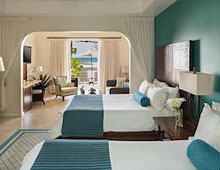 Hotel
Hotel  Budget accommodations
  Apartments
  Family Hotel
 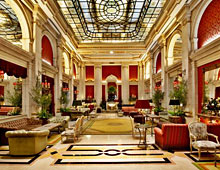 Luxury Hotel
 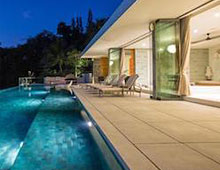 Resorts