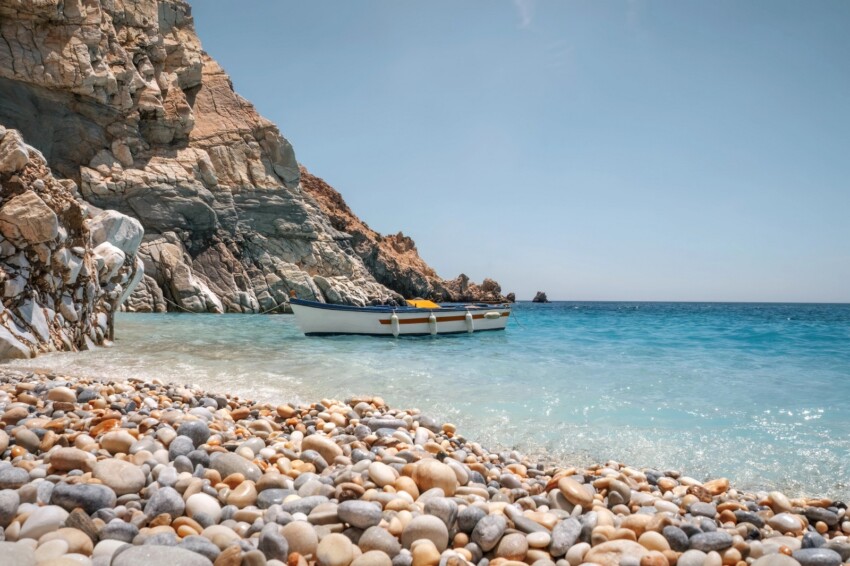
Ikaria is an island in the northern Aegean that is characterised by its wild nature and pristine beaches. With a geology characterised by metamorphic rocks and volcanic formations, the island offers a variety of coastal landscapes unique among Greek islands. Ikaria’s beaches range from small coves hidden among the rocks to long stretches of pebbles polished by the sea.
The island is famous for its strong winds, particularly the summer meltemi, which constantly shapes the coastline and creates ideal conditions for water sports. Many beaches are naturally protected by rocky promontories that provide shelter during the windiest days. Most coastlines retain a wild character, with access often via dirt tracks that require a bit of adventure.
Sustainable tourism is a priority for the people of Ikaria, who have kept their beaches free of excessive development. The crystal-clear waters and seabed rich in marine life make the island an ideal destination for those seeking an authentic, in-touch experience with nature. The local tradition of slow living is also reflected in the relaxed approach to beach life.
Accessibility varies greatly between the different beaches: some are easily accessible by car, while others require walking on mountain paths or the use of boats. This variety allows you to choose the experience that best suits your preferences, from total relaxation to adventurous exploration.
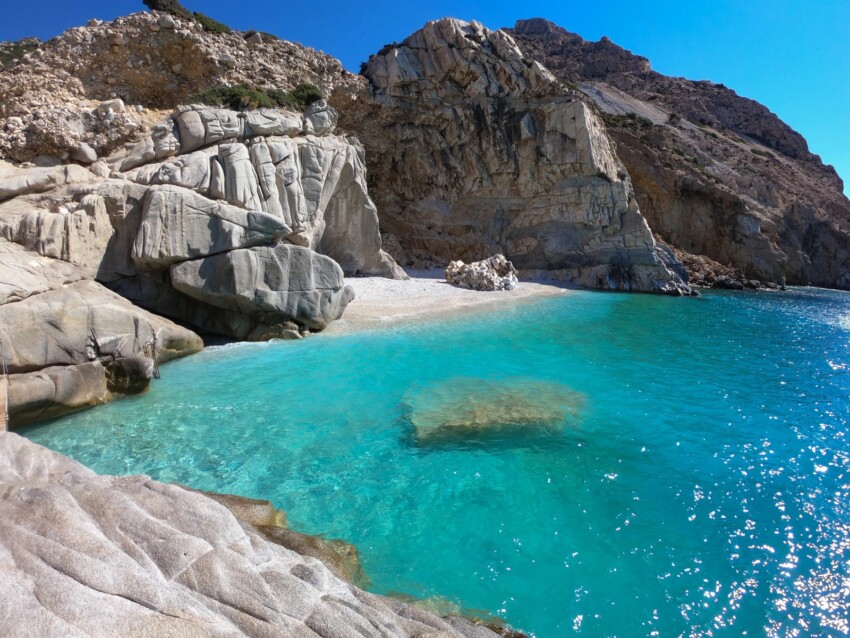
The Seychelles Beach in Ikaria is considered one of the most spectacular beaches in the North Aegean. Located on the south-western coast of the island, this beach gets its name from its resemblance to the tropical paradise beaches of the Seychelles. Its turquoise waters contrast beautifully with the white pebbles polished by the waves and the granite rocks that surround it.
Access to the beach requires a 20-minute walk along a dirt path from the main road. This walk, although challenging in the summer sun, is rewarded by the view of one of the most photographed bays on the island. The gently sloping seabed is perfect for swimming, while the submerged rocks offer opportunities for snorkelling.
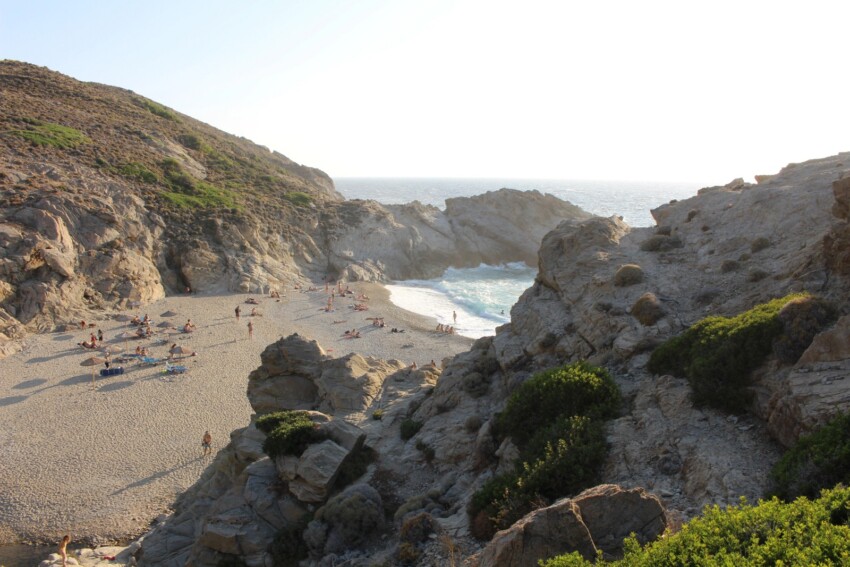
Nas Beach is a symbol of the hippie culture that made Ikaria famous in the 1960s and 1970s. This grey pebble beach is nestled in a verdant valley where a small river flows into the sea, creating a unique microclimate. Natural hot springs bubbling out of the rocks allow for warm bathing even during the cooler months.
The beach is easily accessible by car and offers some traditional taverns serving fresh fish and local specialities. The waters are generally calm and clear, protected from prevailing winds by the shape of the bay. The presence of plane trees growing up to the shore provides natural shade during the hottest hours of the day.
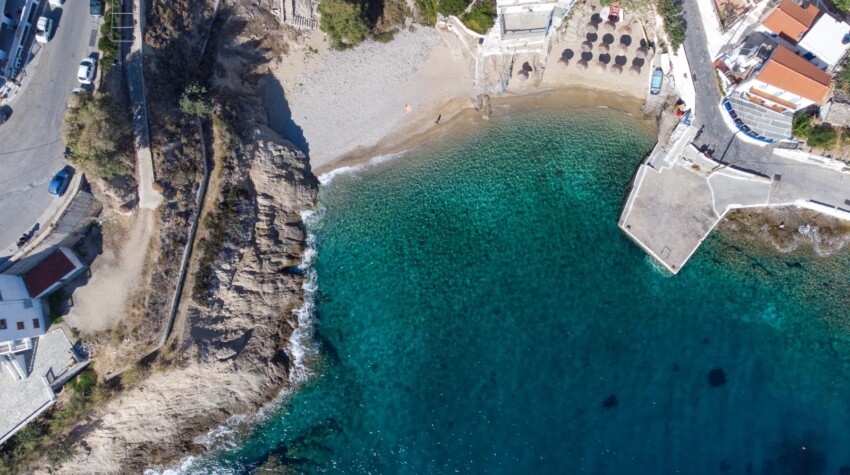
Armenistis beach stretches for over a kilometre along the north coast of the island and is one of the few sandy beaches on Ikaria. Its position exposed to northern winds makes it particularly popular with surfers and windsurfers, who find ideal conditions here during the summer months. The golden sand is interspersed with areas of pebbles that create a varied and interesting landscape.
The village of Armenistis, located just behind the beach, offers a good tourist infrastructure with hotels, restaurants and bars. The waters are deep already a few metres from the shore, making it less suitable for small children but perfect for experienced swimmers. During sunset, the beach offers spectacular views of the open Aegean Sea.
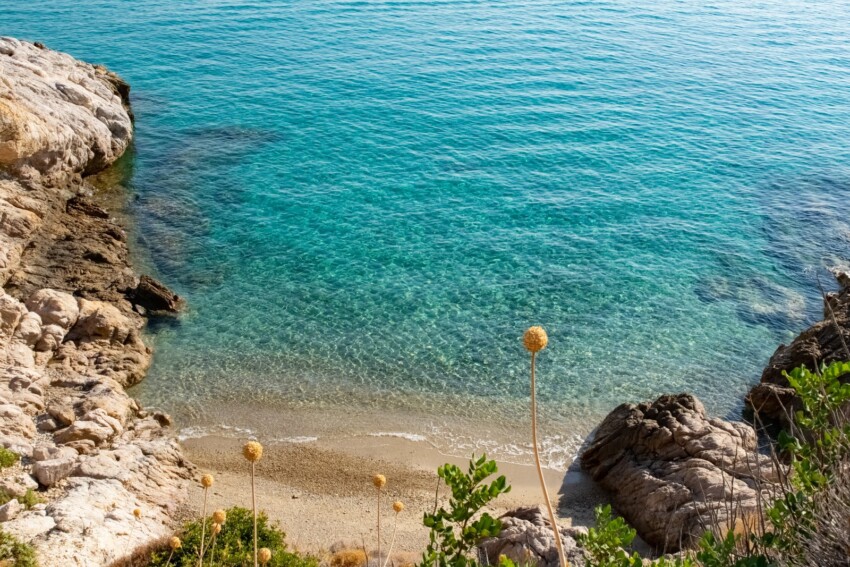
Livadi Beach is one of the most accessible and organised beaches in Ikaria, located near the small village of the same name. This long stretch of dark sand of volcanic origin is protected by a natural bay, making it ideal for families with children. The presence of sunbeds and umbrellas distinguishes it from many other beaches on the island that retain a wilder character.
The waters are crystal clear and shallow for the first few metres, allowing even the less experienced to enjoy the sea safely. The beach is served by several seaside taverns offering fresh fish specialities and the famous Ikariot cuisine. The asphalt road leading to the beach makes it easily accessible by public transport.
Fanari beach owes its name to the lighthouse (fanari in Greek) that dominates the adjacent rocky promontory. This small pebble bay is characterised by incredibly transparent waters that allow one to see the seabed even at great depths. The metamorphic rocks surrounding it create small sea caves that can be explored by swimming or with mask and flippers.
Access requires a short walk along a path that descends from the coastal road. The beach is particularly popular with locals, who consider it one of their best-kept secrets. On windy days, the shape of the bay offers natural protection, making swimming possible even when other beaches are impassable.
Karkinagri beach is hidden in a deep inlet on the south coast of the island, which can only be reached by sea or via a very challenging path. This hidden gem is characterised by fine sand mixed with small pebbles and exceptionally clear waters. The rocky walls that surround it create an almost lagoon-like environment, protected from winds and currents.
The marine biodiversity of this area is exceptional, with the presence of posidonia meadows and numerous species of fish that find refuge in the calm waters of the bay. The total isolation of the beach makes it perfect for those seeking a natural nudist experience in complete privacy. Freshwater springs bubbling out of the rocks provide refreshment after swimming in the sea.
Therma Beach is famous for its natural hot springs that flow directly onto the beach, creating small natural pools of warm water. Located on the south coast, this dark pebble beach offers a unique experience that combines the therapeutic benefits of thermal waters with the pleasure of the sea. Spring water temperatures vary between 35 and 45 degrees centigrade.
The beach is easily accessible by car and has essential services such as parking and a few taverns. The healing properties of the thermal waters, rich in minerals, attract visitors from all over Greece who come here for natural treatments of rheumatism and skin problems. The rocky seabed offers interesting opportunities for observing marine life adapted to the warm waters.
Messakti Beach is one of the windiest beaches in Ikaria, located on the north-eastern coast of the island. This long stretch of colourful pebbles is a paradise for windsurfers and kitesurfers, who find constant winds and ideal conditions here all year round. The waves generated by the meltemi create a fascinating natural spectacle, especially during the summer months.
The beach is easily accessible by paved road and offers free parking. Despite its exposure to the winds, there are more sheltered areas at the eastern end of the bay where swimming is possible even during the windiest days. The presence of windsurfing schools makes this an ideal place for those who want to learn water sports or perfect their technique.
Prioni beach is a small hidden gem on the east coast of Ikaria, characterised by its crescent shape and deep blue waters. This sheltered bay is surrounded by white limestone rocks that create a spectacular contrast with the sea. Access requires a 15-minute walk along a path through the island’s typical Mediterranean vegetation.
Prioni’s waters are particularly calm and transparent, making it ideal for snorkelling and observing the rocky seabed rich in marine life. The beach maintains a completely wild character, without any kind of service or tourist development. During the summer months, the small size of the bay guarantees intimacy and tranquillity even during the busiest tourist periods.
Xylosyrtis is one of the most unspoilt and hard-to-reach beaches in Ikaria, located in a remote area of the south coast. The name means ‘wood scraper’ in Greek and derives from the local tradition of using this area for timber processing. The beach is characterised by fine gravel and crystal clear waters surrounded by dramatic cliffs that plunge straight into the sea.
Access is only possible by sea or via a very challenging path that requires trekking experience. This inaccessibility has preserved the beach from mass tourism, keeping it in a completely natural state. The deep waters and abundant marine life make it a paradise for snorkellers and divers. The complete absence of natural shade requires adequate sun protection during the middle hours of the day.
Agios Kirikos beach is located right in the island’s main harbour and is the most accessible urban beach in Ikaria. Despite its central location, it maintains surprisingly clean waters thanks to the sea currents that constantly renew the water in the harbour bay. The beach is characterised by a seafront promenade that connects it directly to the town centre.
The presence of taverns, cafes and shops in the immediate vicinity makes it ideal for those who wish to combine relaxation on the beach with the social life of the harbour. The waters are protected from waves by the natural shape of the harbour, making it safe for children. During the summer, the beach comes alive with cultural events and festivals that reflect Ikaria’s rich musical and artistic tradition.
In the following map you can see the location of the main places of interest mentioned in this article.
The beaches of Ikaria offer different experiences for every type of traveller. For water sports enthusiasts, Armenistis and Messakti are ideal destinations thanks to the constant winds and perfect waves. Those seeking relaxation and services will find Livadi and Agios Kirikos the most convenient options, with easy access and tourist infrastructure.
Explorers and wilderness lovers should head for Seychelles Beach, Gialiskari or Xylosyrtis, where the unspoilt beauty repays the effort required to reach them. For a unique and therapeutic experience, Therma Beach offers its natural hot springs, perfect for relaxing and benefiting from the healing properties of the waters.
Families with children will appreciate Livadi and Agios Kirikos for their calm, shallow waters, while couples seeking intimacy will find their paradise in small, hidden bays such as Prioni and Fanari. For those who enjoy natural nudism, remote beaches such as Karkinagri offer total privacy in spectacular natural settings.
 Hotel
Hotel  Budget accommodations
  Apartments
  Family Hotel
  Luxury Hotel
  Resorts