Hydra
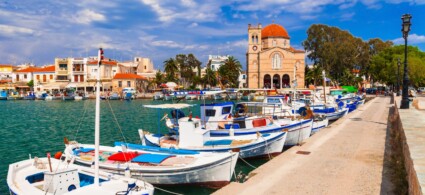
Often compared to Capri or Portofino, Hydra is chic but not snobbish, expensive but accessible, isolated but close. The ideal island to forget about cars and hassles!
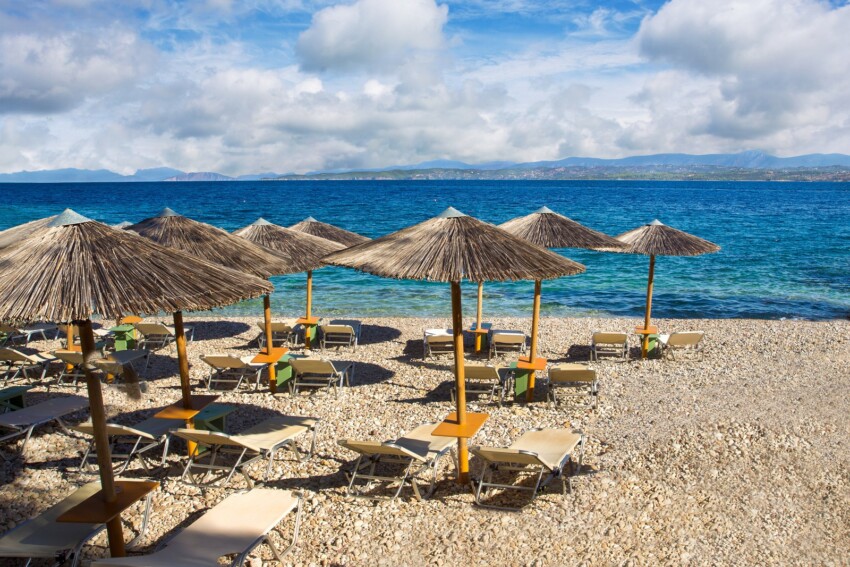
The Saronic Islands are an enchanting archipelago located in the Gulf of Aegina, a short distance from Athens. These Mediterranean pearls, rich in history and breathtaking landscapes, are the ideal destination for those who want to discover authentic Greece without straying too far from the capital. Each island of the archipelago – Aegina, Poros, Hydra, Spetses, Salamis and Agistri – has its own distinctive identity, offering different but equally fascinating experiences.
Their proximity to Athens makes them perfect for a day trip, but their true charm is revealed to those who decide to stay longer. With their crystal-clear waters, relaxed atmosphere and slow pace, the Saronic Islands offer an ideal retreat from urban hustle and bustle. Despite their geographical proximity, each island retains unique traditions and varied landscapes, from the pine forests of Poros to the golden beaches of Agistri, from the car-free villages of Hydra to the neoclassical architecture of Spetses.
Their accessibility is another strong point: in just a few hours by ferry from the port of Piraeus, you can find yourself in a completely different world, where time seems to pass more slowly. Whether you are a history lover, water sports enthusiast, gourmet or simply looking to relax, the Saronic Islands will win you over with their discreet and authentic charm.
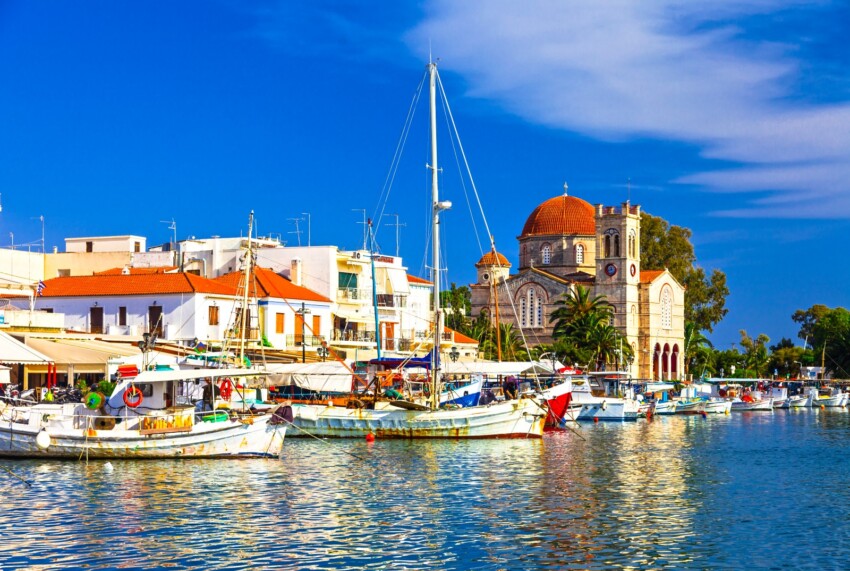
Theisland of Aegina, the largest of the archipelago, is a treasure trove of history and culture just 40 minutes by fast ferry from Athens. Its undisputed symbol is the majestic Temple of Aphaia, one of the best-preserved Doric temples in Greece. Built around 500 BC, this magnificent building forms a sacred triangle with the Acropolis of Athens and the Temple of Poseidon at Cape Sounion. Its panoramic position offers spectacular views of the Aegean Sea and the surrounding islands, while its perfect proportions testify to the excellence of classical Greek architecture.
In the capital of Aegina, be sure to stroll along the picturesque harbour, surrounded by colourful neoclassical buildings dating back to the period when the island was the first capital of modern Greece (1828-1829). The Church of Agios Nektarios is another significant point of interest: this imposing Byzantine monastery is dedicated to one of the most revered saints in modern Orthodox Greece.
For nature lovers, pistachio plantations are a distinctive feature of Aegina’s landscape. The island is famous for its pistachios, considered among the best in the world for their intense flavour. A visit to the traditional village of Perdika, with its fish taverns overlooking the sea and narrow streets, will allow you to savour the authentic atmosphere of the island.
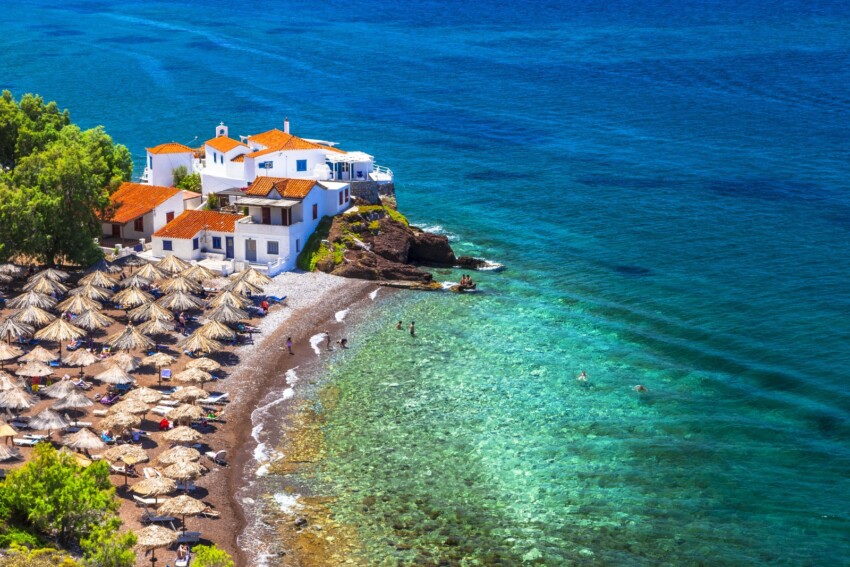
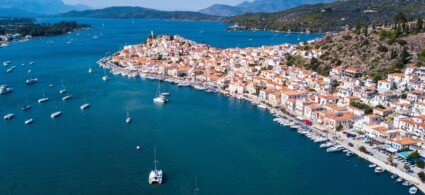
Hydra is probably the most charming of the Saronic islands, with its amphitheatre-shaped harbour surrounded by imposing stone mansions. The total absence of motor vehicles (even bicycles are banned) gives the island a unique and timeless atmosphere. Transport is by foot, boat or donkey, contributing to the ancient charm that permeates every corner of the island.
Hydra’s architecture is its most precious jewel: the majestic mansions of the captains of the 18th and 19th centuries, when the island was a maritime power, are authentic masterpieces. Some of these have been turned into museums, such as the Historical Museum of Hydra, which recounts the island’s maritime history and its crucial role in the Greek War of Independence.
The beaches of Hydra have a wild and unspoilt character: mostly composed of pebbles and rocks, they are accessible via scenic paths or small boats. Kamini, Vlichos and Agios Nikolaos are some of the most popular, while for the more adventurous, a hike to the remote Limioniza Beach provides an unforgettable experience.
The island is also a paradise for trekkers, with a network of ancient mule tracks that traverse breathtaking landscapes. The route to the Monastery of Profitis Ilias, located 500 metres above sea level, offers spectacular panoramic views of the archipelago.
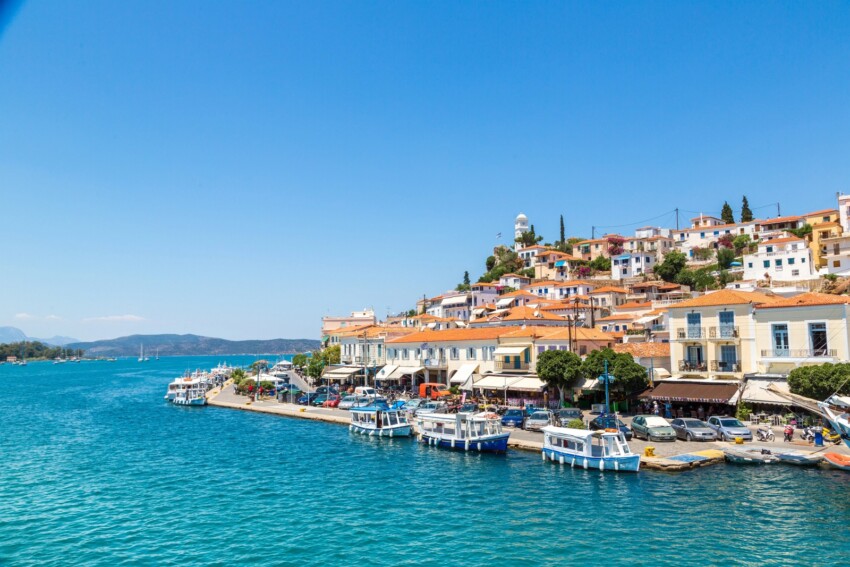
Poros is actually composed of two islands separated by a narrow channel: Sferia, where the main town is located, and Kalavria, the larger and more verdant part. The harbour of Poros offers one of the most scenic arrivals in the Aegean, with its white and ochre houses climbing up the hillside, creating a natural amphitheatre over the sea.
The majestic Monastery of Zoodochos Pigi (Spring of Life), founded in 1720, is nestled in a pine forest and offers not only a spiritual experience but also refreshment thanks to its natural water spring. Inside you can admire magnificent Byzantine icons and an atmosphere of absolute peace.
The ruins of the Temple of Poseidon at Kalavria tell of the island’s former glory. It was here that the Athenian orator Demosthenes took refuge and took his own life in 322 BC, an episode that adds a dramatic touch to the site’s history. From the remains of the temple there is a spectacular view of the Saronic Gulf.
The Forest of Lemons (Lemonodassos) is a unique natural oasis: this centuries-old orchard created during Ottoman rule is a riot of scents and colours, particularly impressive in spring when the trees are in blossom or laden with fruit. A walk here is an unforgettable sensory experience.
Don’t miss the opportunity to visit the Clock Tower of Poros, a symbol of the island built in 1927. From here you can enjoy a panoramic view of the harbour and the channel that separates the island from the Peloponnese.
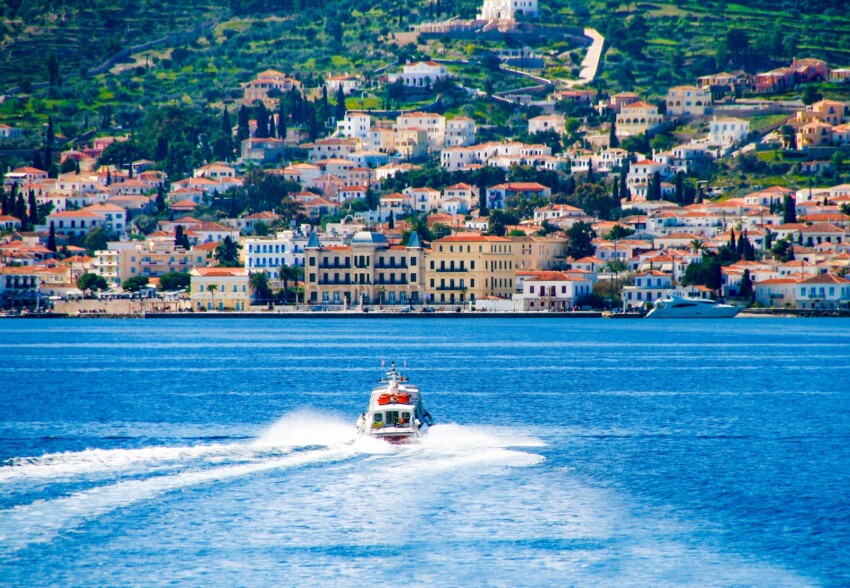
Spetses, the southernmost island of the archipelago, is a perfect blend of aristocratic elegance and natural beauty. Famous for its role in the Greek War of Independence, the island retains a refined atmosphere dating back to its golden age in the 19th century.
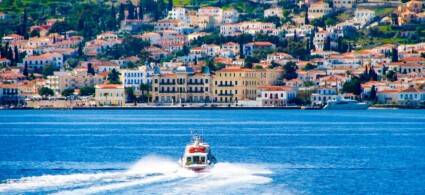
The town of Spetses is a jewel of neoclassical architecture, with stately mansions and cobbled streets. The Dapia promenade is the beating heart of the island, with its elegant cafés and fashionable boutiques. Like Hydra, Spetses has banned cars from the historical centre, thus preserving its old-world atmosphere.
The House Museum of Bouboulina is dedicated to the heroine of the Greek revolution who was born in Spetses. This 18th century mansion preserves period furniture, personal memorabilia and tells the extraordinary story of a woman who commanded her own fleet against the Ottoman Empire.
The Old Port (Palio Limani) is perhaps the most picturesque corner of the island, with its traditional taverns and authentic atmosphere. A walk along the coast to the beach of Agios Mamas will allow you to admire the magnificent historic villas that dot the shoreline.
For nature lovers, a tour of the island by bicycle or carriage is a must. You can discover hidden beaches such as Agioi Anargyroi and Zogeria, surrounded by Mediterranean vegetation and bathed by crystal-clear waters.
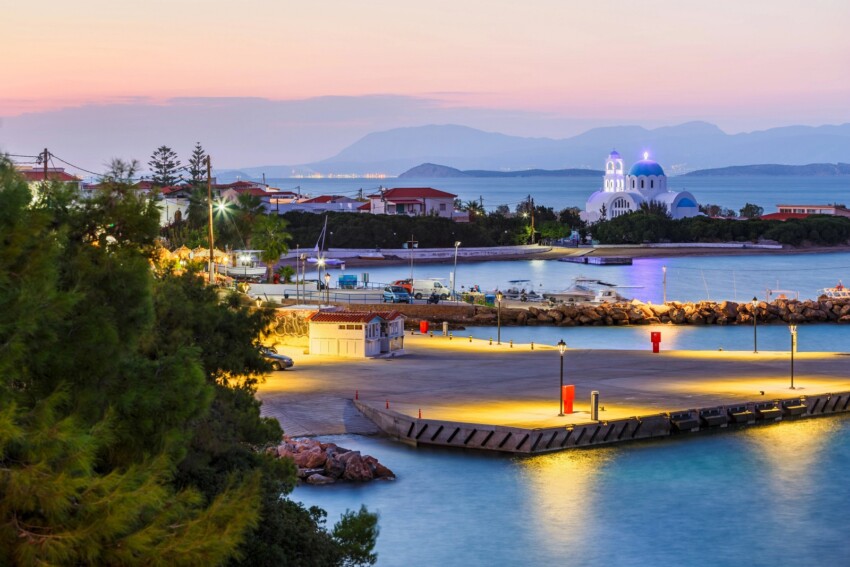
Agistri, the smallest of the main Saronic islands, is a green paradise emerging from the turquoise waters of the gulf. Despite its small size, it offers some of the most beautiful beaches in the archipelago, surrounded by lush pine forests that descend to the sea.
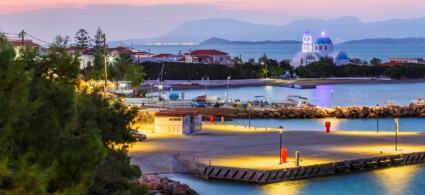
The main village, Megalochori (or Milos), is a charming harbour with traditional tavernas and a pleasant, relaxed atmosphere. Unlike its more famous sisters, Agistri retains an authentic and less touristy character, ideal for those seeking tranquillity.
Chalikiada beach is considered the most beautiful on the island: a white pebble bay surrounded by pine trees, with turquoise waters perfect for snorkelling. Accessible via a scenic path, this rarely crowded beach is a true natural jewel.
The picturesque village of Limenaria, with its traditional houses and relaxed atmosphere, offers a glimpse into authentic island life. A walk to the nearby beach of Dragonera, with its peculiar rock formations, is highly recommended.
For the adventurous, hiking trails through the interior of the island offer the opportunity to discover the rich Mediterranean vegetation and enjoy panoramic views of the sea and surrounding islands.
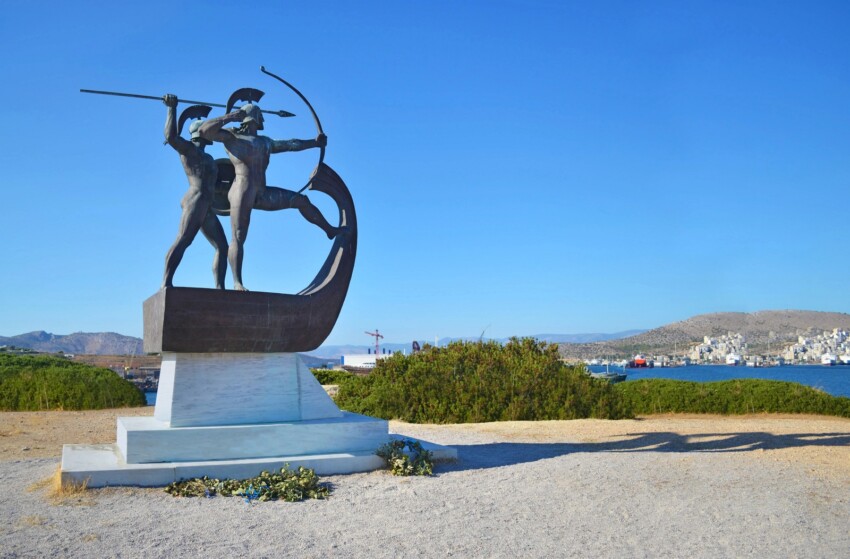
Salamis (or Salamina), the island closest to the mainland, is mainly famous for the eponymous naval battle in 480 B.C., in which the Greek fleet defeated the Persian fleet of Xerxes I. Despite its proximity to Athens and the industrial areas on the east coast, the island retains corners of genuine beauty.
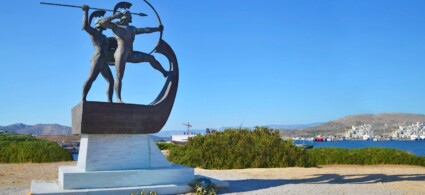
The Monastery of Faneromeni, with its Byzantine church and small museum, holds religious treasures and offers a panoramic view of the gulf. The Battle of Salamis Memorial commemorates one of the most important naval clashes in ancient history, which changed the course of western civilisation.
The picturesque village of Paloukia is the island’s main port, while Selinia offers a more traditional atmosphere with its seaside tavernas. For history lovers, a visit to the tomb of Euripides, the great playwright who, according to tradition, lived and died on the island, is a must.
The beaches of Salamina, such as Kaki Vigla and Kanakia, offer a refreshing retreat in the summer months. The latter is particularly interesting because it is close to the remains of a Mycenaean settlement that is believed to have been the palace of Ajax, the Homeric hero.
The Saronic Islands are located in the Saronic Gulf (or Gulf of Aegina), a part of the Aegean Sea extending south-west of Athens. This archipelago is strategically located a short distance from the Greek capital and the Peloponnese peninsula.
Aegina, the main island, is just 27 km from the Piraeus Port of Athens, a journey time of only 40 minutes by hydrofoil. Poros is about 48 km from Athens, while Hydra and Spetses are further south, 65 km and 100 km from the capital respectively. Agistri is very close to Aegina, only 5 km away, while Salamina is the closest island to the mainland, separated from Attica by a narrow channel of only 2 km.
The Saronic Islands enjoy a privileged position in the Saronic Gulf, a short distance from Athens, making them particularly easy to reach compared to other Greek archipelagos. This proximity to the capital makes them an ideal destination for a day trip or a longer holiday without a long commute.
The main departure point for all the Saronic islands is the Port of Piraeus, the large port of Athens. From here, ferries and hydrofoils depart for all the islands of the archipelago with varying frequency depending on the season. In high season (June-September), there are numerous connections, while in low season it is advisable to check the timetables in advance.
An alternative to the Port of Piraeus is the Port of Rafina, located on the east coast of Attica, closer to the airport. From here, ferries mainly depart for Aegina, but the runs are less frequent than at Piraeus.
As for the types of boats available:
 Hotel
Hotel  Budget accommodations
  Apartments
  Family Hotel
 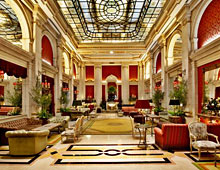 Luxury Hotel
 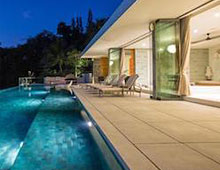 Resorts