Flights to Greece
Numerous flights connect Greece with the rest of Europe on a daily basis. Buy your flight online and travel with peace of mind!

Reaching Greece is now easier than ever thanks to a network of connections ranging from international flights to Mediterranean cruises. With over 50 airports spread across the mainland and islands, sea connections from numerous European ports and land itineraries through the Balkans, every traveller can choose the solution that best suits their needs and budget. Its location in the heart of the eastern Mediterranean makes it accessible in every season, with the offer intensifying during the summer months when hundreds of charter flights and additional maritime connections operate.
The transport system to Greece has evolved considerably in recent years, with the entry of low-cost airlines democratising access to the most remote islands and the development of modern maritime services that turn travel into an enjoyable experience. From the 2 to 3-hour flight to Athens from major European hubs to the 20-hour sailing across the Adriatic, each mode of transport offers specific advantages: speed and economy for the plane, comfort and car-carrying options for the ship, adventure and discovery for the land routes.
Seasonality plays a key role in planning: while Athens and Thessaloniki are served year-round with frequent flights from all over Europe, island destinations see their peak connections between May and September. Prices vary considerably depending on the period, with the best deals available in the shoulder months (April-May and September-October) when the climate is still favourable but tourist demand is lower.
For those planning a trip to Greece, the choice of transport depends on several factors: length of stay, regions to visit, available budget and personal preferences. The specialised pages on this site offer detailed information on flights to Greece, ferries and airports to help you choose the best solution.
Air connections are the fastest and often cheapest way to reach Greece, with direct flights available from over 100 European airports to 30 Greek destinations. The network is divided into two main types: scheduled flights operating all year round to the main destinations and seasonal flights connecting directly to the most popular tourist islands from April to October.
Athens and Thessaloniki are served year-round with daily flights from major European capitals: London, Paris, Amsterdam, Vienna, Berlin, Madrid and many others. Athens International Airport ( ATH) serves as the main hub for domestic connections, making it possible to reach any Greek island with a single stopover. Thessaloniki (SKG) is the ideal gateway to northern Greece, including the Chalkidiki peninsulas and mountain destinations.
Seasonal flights to the islands generally start in March with Mykonos and Santorini being the most popular destinations, followed in April by Crete, Rhodes and Corfu. From May Kos, Zakynthos, Kefalonia, Skiathos and other smaller islands are added, with the peak of connections in July and August when numerous charter flights organised by international tour operators also operate.
Low-cost airlines dominate the market with Ryanair, easyJet, Wizz Air and Volotea offering competitive fares from all over Europe. Aegean Airlines, the Greek national airline, provides quality connections with premium services and optimised connections to the smaller islands. The European flag carriers operate direct flights to major destinations with high service standards.
Ticket prices vary significantly depending on the period and country of departure: the cheapest fares are in April-May and September-October, while July and August see considerable increases. Booking 2-3 months in advance allows you to get the best deals, while last-minute flights can provide attractive bargains for flexible travel.


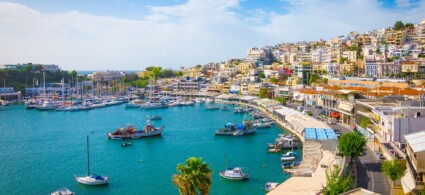
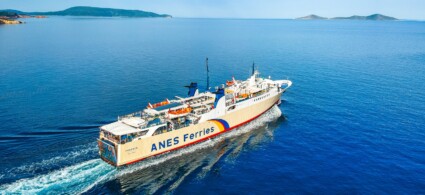
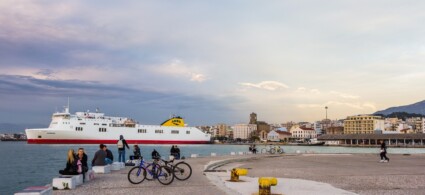
Ferry connections offer an attractive and convenient alternative to travel to Greece by sea, allowing you to bring your car and experience the journey as part of your holiday. European ports offering direct connections to Greece include stops in Italy (Ancona, Bari, Brindisi, Venice), Croatia (Split, Dubrovnik), Albania (Durres) and Turkey (Istanbul). Each port offers specific characteristics in terms of journey time, ship comfort and destinations served.
The main Greek ports are Patras (gateway to the Peloponnese), Igoumenitsa (connected to the Ionian Islands), Corfu (direct connection to the northernmost island) and Heraklion in Crete for connections from the eastern Mediterranean.
Travelling overland to Greece is a fascinating adventure through the Balkans, offering the chance to discover different countries and cultures along the way. This option is particularly appreciated by those who wish to explore several destinations in one trip or need to carry specific equipment.
The main land routes converge on Greece via North Macedonia and Albania, with access from central and western European countries. The motorway network is well developed, allowing comfortable travel with varying tolls between countries.
The Balkan route passes through Slovenia, Croatia, Serbia and North Macedonia, offering spectacular mountain vistas and the opportunity to visit historic towns along the way. The coastal alternative crosses Croatia, Montenegro and Albania, following the Adriatic coast with unforgettable seascapes.
In order to travel overland to Greece, documents valid for foreign travel according to the regulations of the country of residence are required.EU citizens can use an identity card or passport, while third-country nationals must check specific requirements for visas and transit permits.
It is advisable to take out international travel insurance that covers roadside assistance, vehicle repatriation and medical expenses in transit countries. For those travelling with their own vehicle, check the validity of third-party motor liability insurance in the countries crossed.
International rail connections to Greece are limited but exist, representing an attractive option for travellers who prefer sustainable transport or wish to experience a slower and more contemplative travel experience.
Rail service to Greece is mainly through the Balkans, with connections from Vienna, Budapest and other European capitals to Belgrade, continuing on to Athens and Thessaloniki. Journeys generally take 18-24 hours with intermediate changes.
European rail passes such as Eurail and Interrail include Greece in their networks, allowing flexible travel with validity from a few days to several months. These passes also offer discounts on ferries and local transport once in Greece.

 Hotel
Hotel  Budget accommodations
  Apartments
  Family Hotel
  Luxury Hotel
  Resorts